

Desi ghee and garlic on empty stomach prevent cancer, heart disease, and hair loss; here’s what science says |
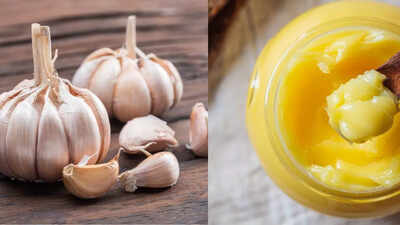
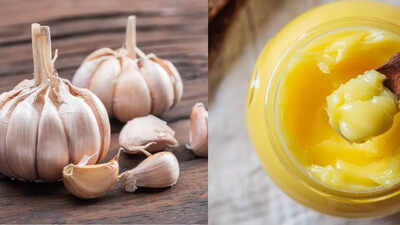
For years, desi ghee and garlic have been prized in Indian kitchens, not only for adding flavour to food but for their perceived medicinal benefits. Social media claims in recent times have gone further, to say that desi ghee and garlic, taken together on an empty stomach, can prevent cancer, reduce weight, enhance sexual power, improve skin glow, stop hair fall, and regulate blood pressure and cholesterol. While both ingredients contain useful nutrients, modern science does not support such sweeping claims. As reported by The Healthy Indian Project, health outcomes such as the prevention of cancer depend upon long-term dietary patterns, lifestyle choices, genetic factors, and environmental exposure rather than a single daily habit.
Desi ghee and garlic: Key properties and their possible role in cancer prevention
Biological properties of garlic
Most studies concerning biological activity have focused on sulphur-based compounds, such as allicin, found in garlic. Laboratory experiments demonstrate that under controlled conditions, these compounds can slow the growth of some cancer cells. Observational population studies also suggest a modest reduction in the risk of stomach and colorectal cancers in individuals consuming garlic as part of their normal diet.Yet again, such findings do not translate into the notion that eating garlic on an empty stomach is a surefire cancer preventative. Any benefits apply only because of the long-term dietary intakes, coupled with everything else about the lifestyle that is good. Garlic will not negate major risk factors for cancer, such as smoking, high body fat, chronic inflammation, or genetic predisposition.
Desi ghee and the prevention of cancer
Ghee is a source of saturated fat and fat-soluble vitamins. Animal studies have suggested that cow ghee has a role in reducing the activity of certain enzymes that are involved in carcinogen formation, as well as up-regulating detoxification pathways in the liver. These findings are interesting, but, again, animal studies cannot be directly applied to humans.To date, there is no strong human evidence demonstrating that ghee prevents cancer. Ghee can be a part of a healthy diet if consumed in moderation, but excessive consumption may increase overall calorie load and saturated fat intake, potentially working against long-term metabolic health.
Why foods alone can’t prevent cancer
Cancer is a very complex group of diseases that involve many interrelated factors, such as genetic makeup, immune function, environmental exposure, diet, physical activity, stress levels, and health conditions. No food-foods like garlic or ghee-are capable of singly neutralizing such risks.Various nutrition with plenty of fibre, regular movement, avoidance of tobacco and excess alcohol, and a healthy body weight are good for the prevention of cancer. It is not about isolated remedies but rather sustained lifestyle habits that will reduce the risk of disease. Desi ghee is very dense in calories, containing more than 100 per tablespoon. While it contains healthy fats, it does not promote the burning of fat. There is some evidence that garlic might affect metabolism, but very minimally indeed to cause weight loss. Weight management is all about overall calorie balance, muscle activity, sleep, and consistency in eating. And having ghee and garlic on an empty stomach does not replace these and is unlikely to yield visible differences in weight loss.
Do ghee and garlic improve sexual health, skin, hair and heart function
Garlic is often characterised as a natural aphrodisiac because it allegedly brings a vast flow of blood to certain important parts of the human body. A few small studies indicate that it may have benefits regarding vascular health, though this has indirect impacts on sexual function. Human evidence is inconsistent and limited.Ghee is a source of energy through fats, but no credible research connects it to improved sexual performance. In fact, some studies on animals have indicated that too much ghee may alter hormone levels adversely. Any perceived benefits are more likely due to psychological expectation rather than physiological change.
Effects on skin health and hair fall
Garlic contains antioxidants that fight oxidative stress, while ghee contains fats that will help skin moisture when included as part of a nutritious diet. That said, there is no scientific evidence showing that when taken together on an empty stomach, it would yield glowing skin.Hair fall is said to be related to genetics, hormonal balance, nutritional deficiencies, stress, and scalp health. Though nutrients from garlic and ghee might facilitate general nutrition, they are of no capacity to reverse the hair loss brought about by underlying medical or genetic factors.
Blood pressure and cholesterol considerations
Garlic supplementation lowers blood pressure by modest amounts in people with hypertension. However, adequate ghee consumption may raise cholesterol due to its saturated fat content. Combining garlic and ghee has not produced any evidence supporting that the mix controls blood pressure or cholesterol levels.Cardiovascular health would depend more on overall dietary balance, fibre intake, physical activity, and metabolic health than on a single dietary routine.