
How to store lettuce in the fridge so it stays fresh, crisp, and green |
Lettuce has a strange habit of going bad exactly when it is finally needed. It looks fine when bought, sits confidently in the fridge, and then suddenly shows brown edges, limp texture, and that unmistakable smell of something past its prime. The best way to store lettuce in the fridge to stop browning and keep it crisp and green is not complicated, but it does require a little care. Lettuce reacts badly to excess moisture, trapped air, and temperature shock. Once those three things are handled properly, it behaves much better. With a few small changes to how it is stored, lettuce can stay fresh, green, and crunchy for days instead of hours.
How proper storage keeps lettuce crisp and green for longer
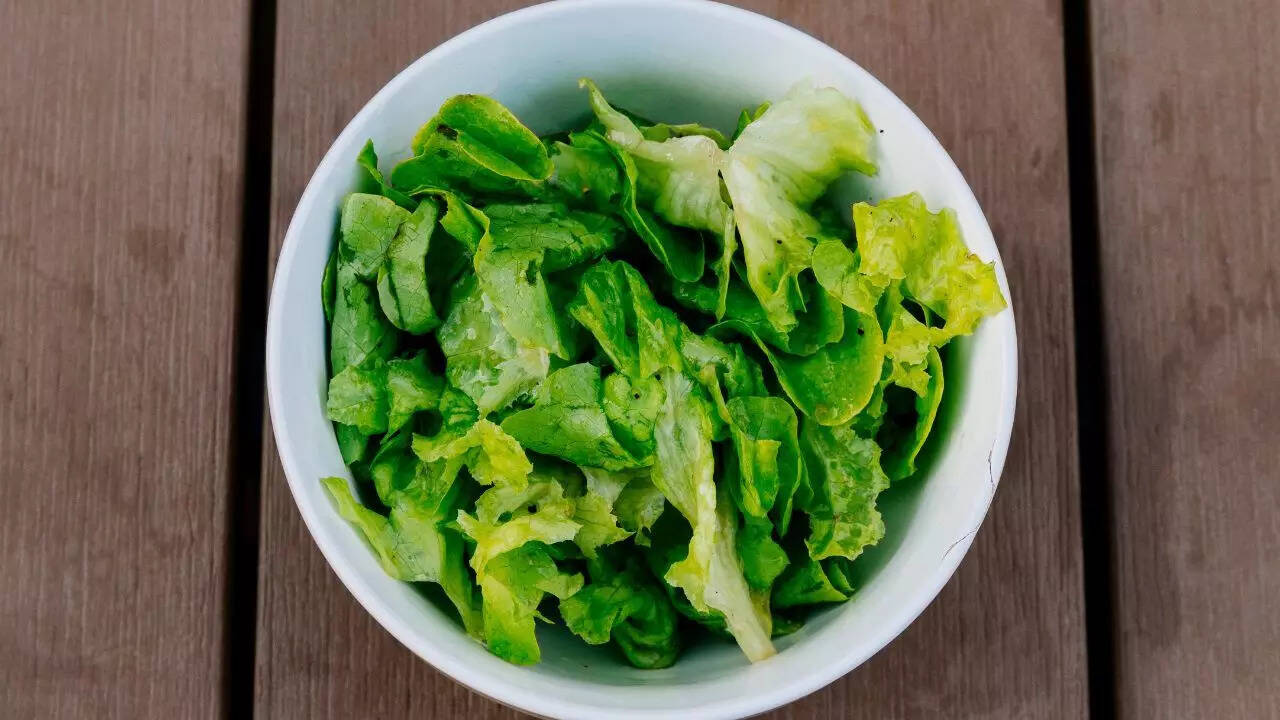
The reason lettuce browns is simple. Moisture sits on the leaves, oxygen gets trapped, and the cells start breaking down. Stopping this process means controlling moisture first and air second. The fridge already provides the cold part. What matters is how the lettuce is prepared and placed inside it.
Drying lettuce fully before refrigeration
The best way to store lettuce in the fridge to stop browning starts with making sure the leaves are properly dry. If the lettuce is washed, it must not go into the fridge damp. Water clinging to leaves pools at the bottom and creates the perfect environment for browning. A salad spinner helps, but even gently patting the leaves with paper towels works if done patiently. The leaves should feel dry, not just less wet. Even unwashed lettuce benefits from removing any visibly damp or damaged outer leaves before storage.
Using paper towels to manage moisture
Paper towels quietly do most of the work. Line the bottom of a container or bag with a paper towel, place the lettuce on top, then add another paper towel over it. This absorbs moisture released over time and stops it from sitting on the leaves. The lettuce should not be packed tightly. Space allows airflow, which helps prevent sliminess and browning. If the paper towel becomes damp after a couple of days, replacing it makes a noticeable difference.
Choosing the right container or bag
The container matters more than it seems. Airtight containers work well when paper towels are used inside to absorb moisture. Reusable produce bags also work if they are not sealed too tightly. Thin plastic bags without any absorbent layer usually trap condensation. Store bought bagged lettuce benefits from being opened, checked, and stored again with a fresh paper towel. Leaving it in the original sealed bag often leads to faster browning.
Storing lettuce in the crisper drawer
The crisper drawer is the best place for lettuce. It maintains a higher and more stable humidity level than the rest of the fridge. If there is a humidity control, setting it to high helps leafy greens stay hydrated without becoming soggy. Lettuce stored on open shelves dries unevenly and reacts poorly to frequent temperature changes when the fridge door is opened.
Keeping lettuce away from ethylene producing foods
Some fruits release ethylene gas, which speeds up ageing in vegetables. Apples, avocados, and pears are common examples. Lettuce exposed to ethylene browns faster even when stored correctly. Keeping lettuce separate in the crisper drawer reduces this exposure and helps maintain colour and texture.
Storing cut or torn lettuce properly
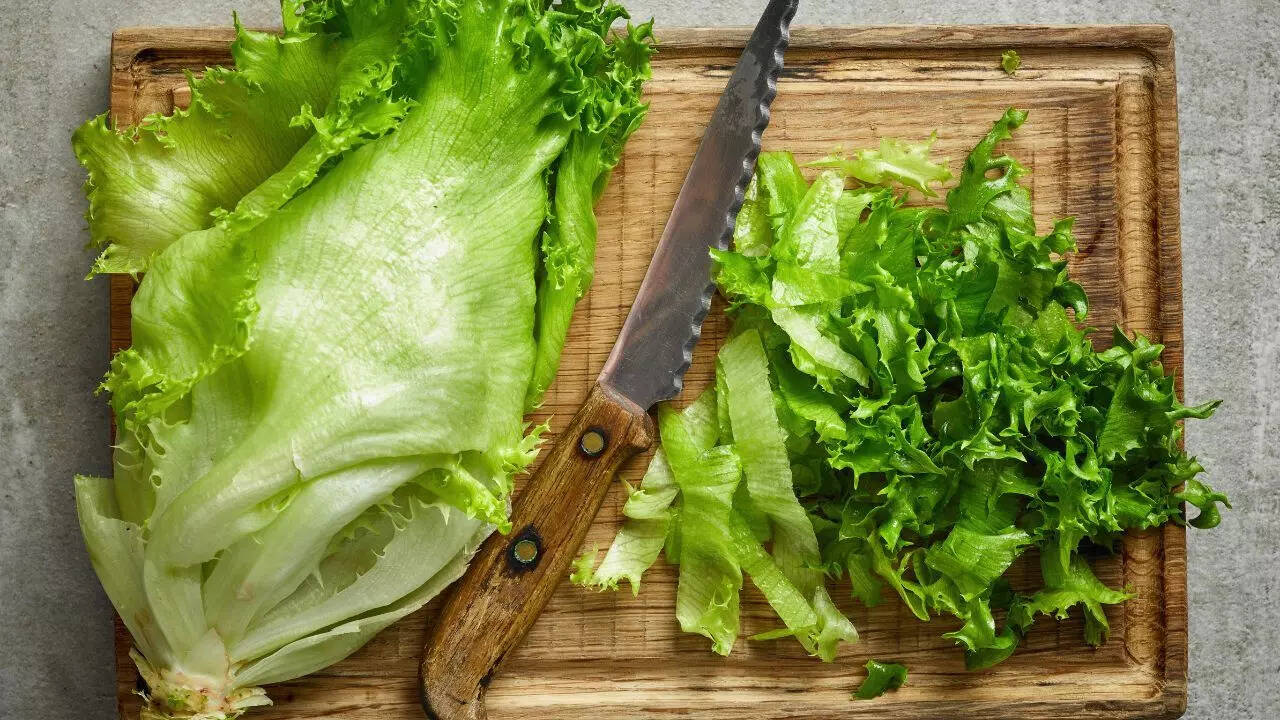
Cut lettuce browns faster, but it can still be stored well. Lay the pieces on dry paper towels, gently roll them up, and place the roll into a container or bag. Avoid compressing it. This keeps moisture balanced and reduces bruising, which slows down browning.The best way to store lettuce in the fridge to stop browning and keep it crisp and green is not about perfection. It is about a few consistent habits that protect the leaves from moisture, trapped air, and stress. When done right, lettuce lasts longer and actually gets eaten instead of thrown away.Disclaimer: This content is intended purely for informational use and is not a substitute for professional medical, nutritional or scientific advice. Always seek support from certified professionals for personalised recommendations.Also read| Why eating just 2 dates daily in winter quietly changes how your body feels