
Key upcoming car launches in India: Renault Duster, Nissan’s Creta rival & more
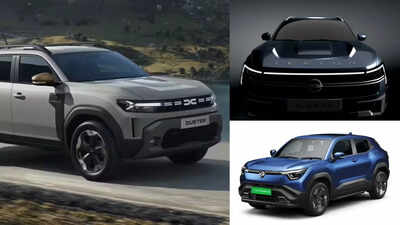
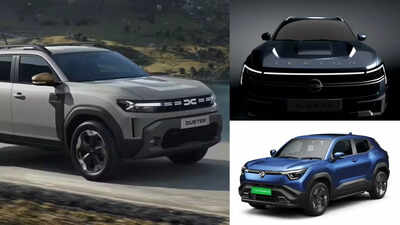
The Indian car market is gearing up for a busy phase ahead, with several important launches lined up across segments. From long-awaited SUV comebacks to new electric models and facelifts, there’s a lot of action lined up in 2026. Here, let’s take a look at some of the key upcoming car launches.
Mahindra XUV 7XO
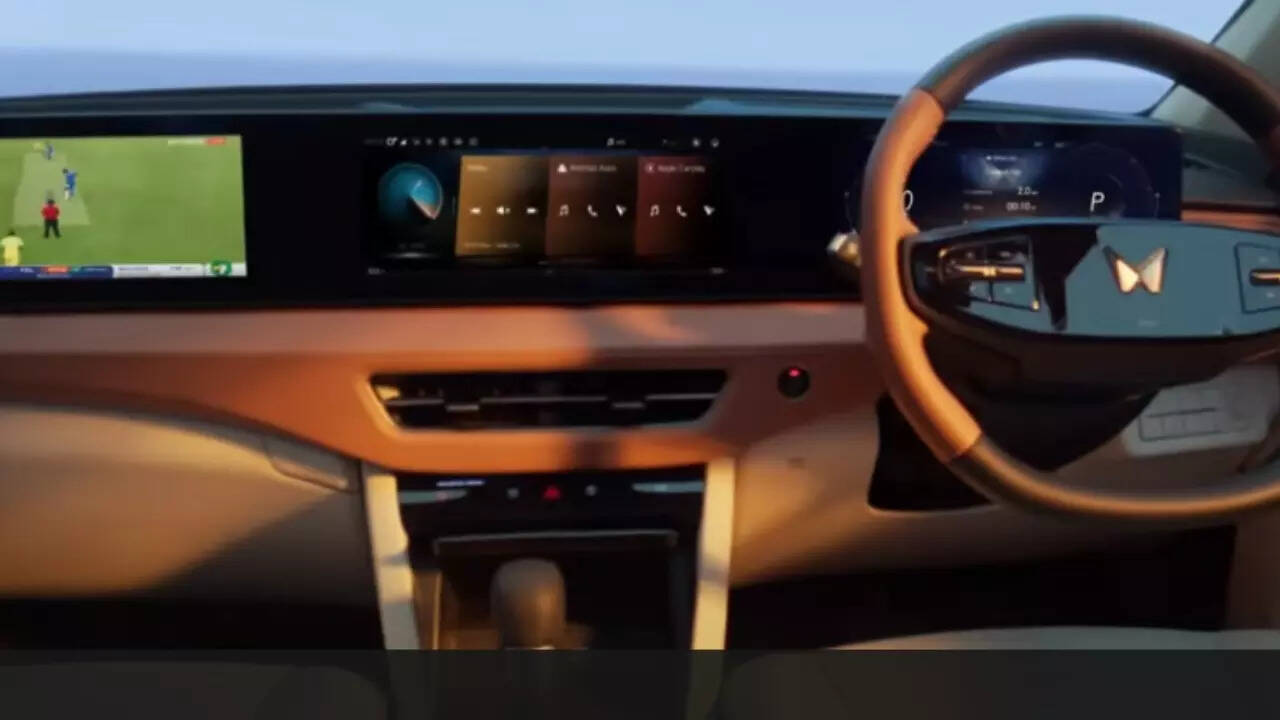
Mahindra will kick things off with the XUV 7XO, scheduled for launch on January 5, 2026. Essentially a facelift of the XUV700, the 7XO adopts Mahindra’s new naming strategy seen earlier with the XUV 3XO. It gets a refreshed exterior with redesigned lighting elements, new alloy wheels and a more modern front profile inspired by the brand’s latest electric SUVs. The XUV 7XO is expected to carry over key features from the XEV 9S, including a triple-screen dashboard with a 10.25-inch digital driver’s display, a 12.3-inch infotainment touchscreen and a 12.3-inch co-driver screen, along with auto parking, ventilated front and rear seats, electrically adjustable seats with memory, multi-zone climate control, panoramic sunroof, ambient lighting and connected car tech. Engine options are likely to remain unchanged, with a 2.0-litre turbo-petrol producing 197 bhp and 380 Nm, and a 2.2-litre mHawk diesel delivering 182 bhp and up to 450 Nm, paired with either a 6-speed manual or a 6-speed torque-converter automatic, with AWD available on select diesel variants.
Maruti Suzuki eVitara
Maruti Suzuki’s biggest launch will be the e-Vitara, set to arrive in January 2026 as the brand’s first mass-market electric SUV. Based on the new Heartect-e platform, the e-Vitara gets a muscular design inspired by the eVX concept and a completely new interior layout with dual screens and modern connectivity features.
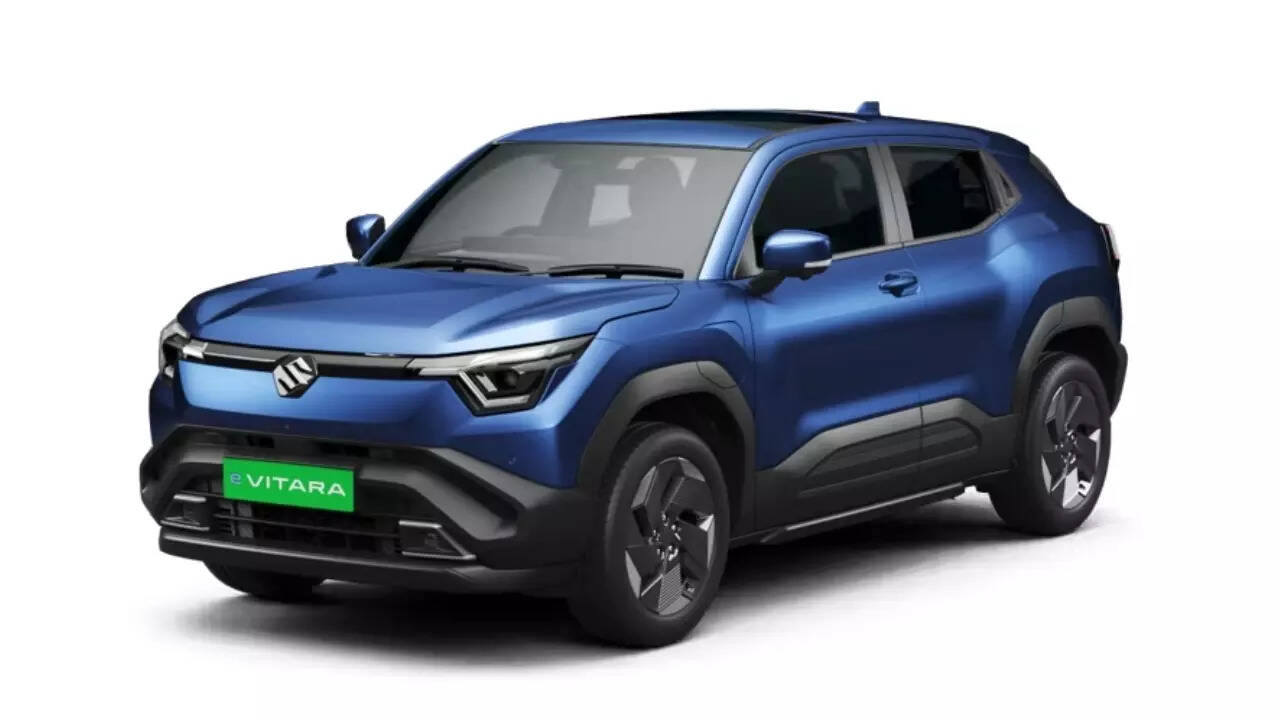
Inside, the e-Vitara features floating dual screens for the instrument cluster and infotainment, along with a gloss-black floating centre console housing the gear selector, e-brake, drive mode controls and a wireless charging pad. Other highlights include a two-spoke steering wheel, rectangular AC vents with brushed silver accents, a rotary drive selector and leatherette upholstery, while safety is covered by Level 2 ADAS and seven airbags. It will be offered with two battery packs: 49 kWh and 61 kWh, with the larger unit delivering a claimed range of up to 543 km. Level 2 ADAS and seven airbags are also part of the package.
Renault Duster
One of the most anticipated launches is the new-generation Renault Duster, which will debut on January 26, 2026. Returning after a four-year absence, the midsize SUV comes with an all-new design inspired by the Bigster concept and a feature-rich cabin. It features a 10.1-inch touchscreen infotainment system paired with a 7.0-inch fully digital instrument cluster, along with wireless charging, wireless Android Auto and Apple CarPlay, automatic climate control, a six-speaker Arkamys 3D audio system, ventilated front seats and more.
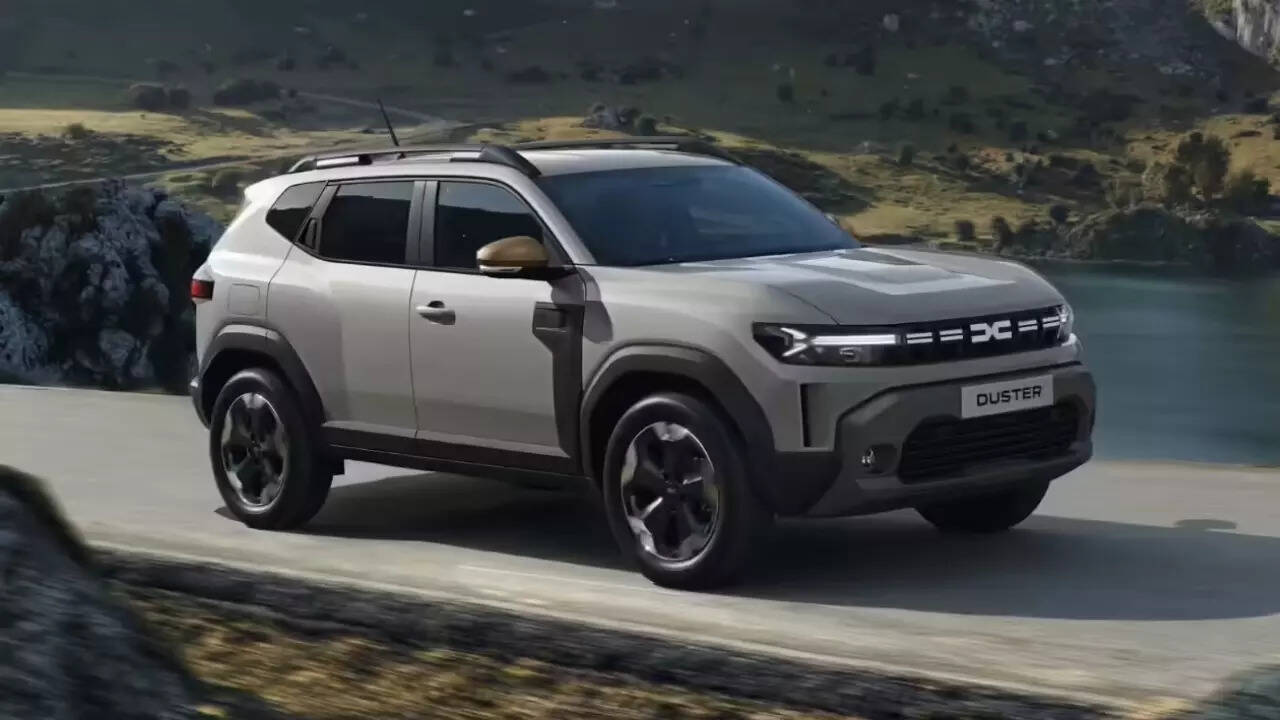
Globally, the new Renault Duster is available with three powertrain choices, including a 1.2-litre three-cylinder turbo-petrol engine with mild-hybrid assistance, a 1.0-litre three-cylinder turbo bi-fuel unit, and a 1.6-litre strong hybrid petrol setup that uses two electric motors along with a 1.2 kWh battery pack.
Nissan Gravite, Tekton
Nissan’s upcoming Tekton will be its key volume product in India, positioned directly against the Hyundai Creta and Kia Seltos. Scheduled for an unveiling in February 2026 and launch by mid-2026, the Tekton shares its platform with the new Duster and features bold styling inspired by the Nissan Patrol. Multiple petrol powertrain options are expected, along with advanced driver assistance features, as Nissan looks to rebuild its presence in the midsize SUV segment.
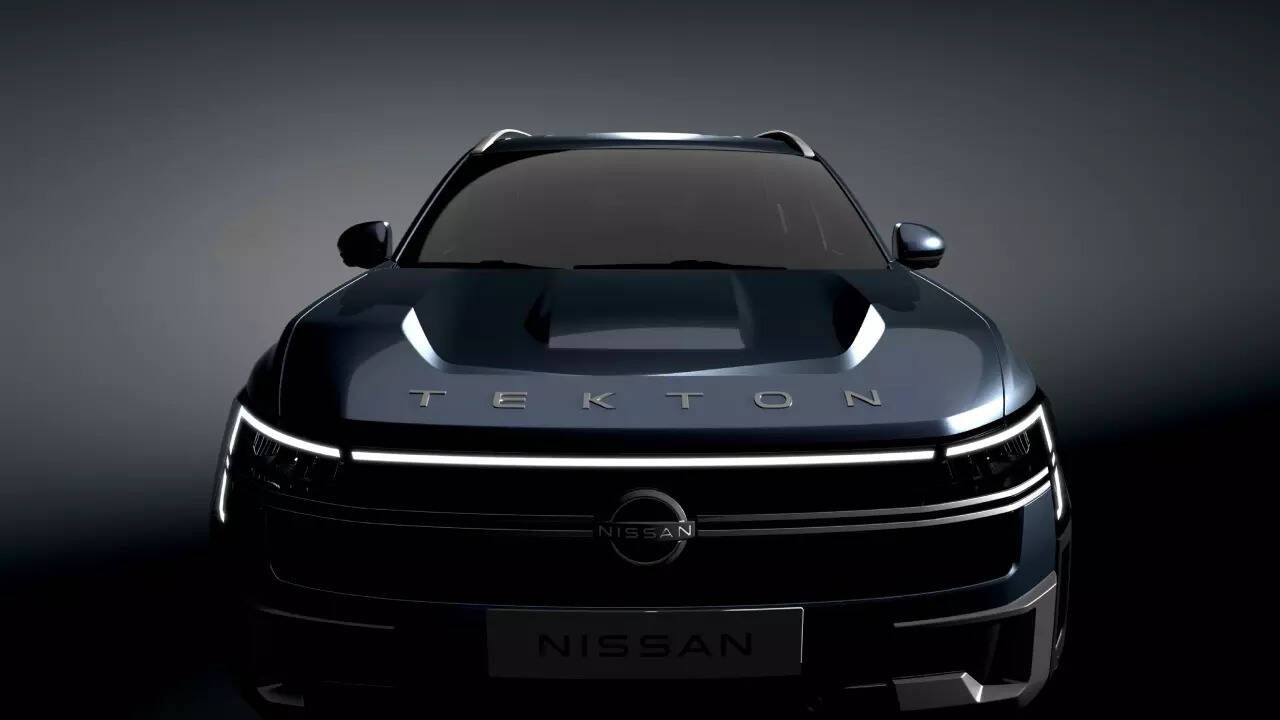
Nissan will also introduce the Gravite MPV in January 2026, aimed at budget-focused family buyers. Built on the CMF-A+ platform as Renault Triber, it is expected to use the familiar 1.0-litre petrol engine and offer both manual and AMT gearbox options.
Tata Harrier, Safari petrol and Sierra EV
Tata Motors has several launches planned. The company will roll out petrol versions of the Harrier and Safari, powered by the new 1.5-litre Hyperion turbo-petrol engine producing 170 hp and 280 Nm.
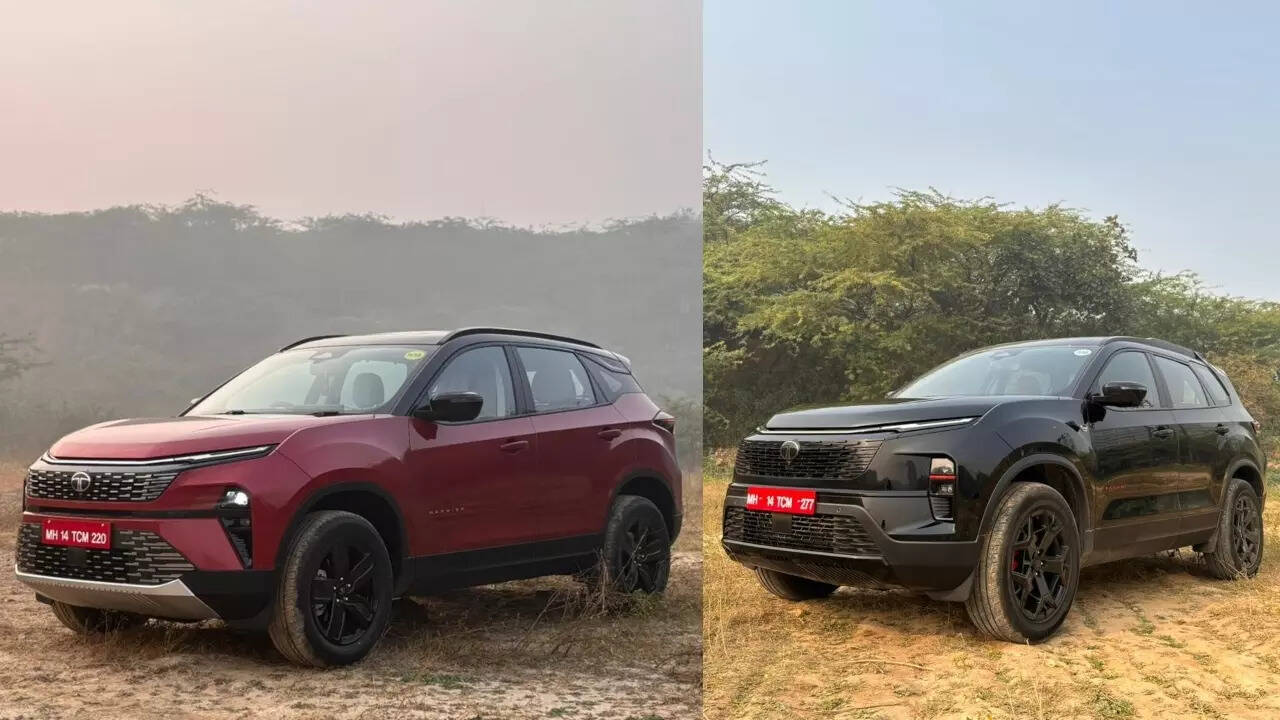
Tata will also launch the Punch facelift by March 2026, featuring updated styling, a larger touchscreen and additional tech. Later in the first half of the year, the Sierra EV is expected to arrive, offering up to 450–500 km of range and positioned against electric midsize SUVs.
Audi Q3
In the luxury segment, Audi is preparing to launch the new-generation Q3 in early 2026. The third-generation Audi Q3 is expected to feature a bolder look with split headlamps and a large grille, along with a more tech-focused cabin housing curved displays for the instrument cluster and infotainment.
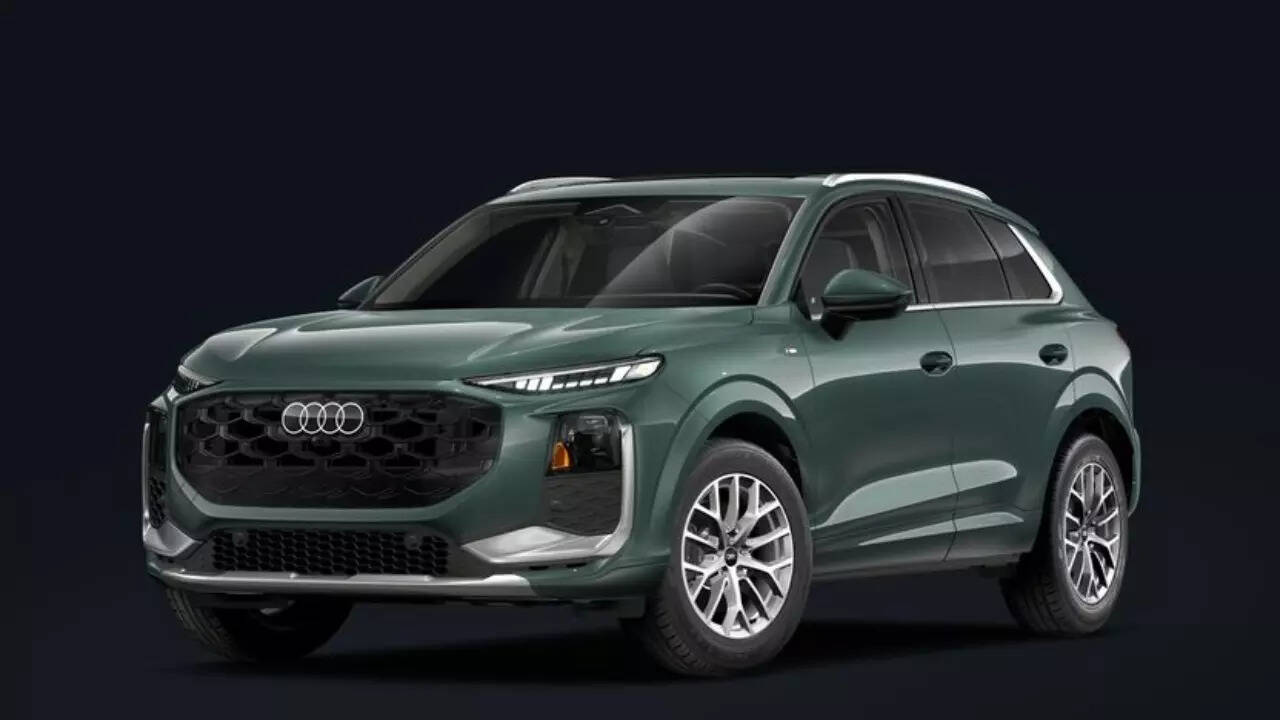
The locally assembled SUV is expected to be larger, more tech-loaded and offered with a 2.0-litre turbo-petrol engine that makes 204 hp. It will be paired with a 7-speed dual-clutch transmission and Quattro all-wheel drive.