Why smoking “near but not around” is equally harmful


Secondhand smoke from just one cigarette can damage nearly every organ of a nonsmoker’s body. This involves the heart, lungs, brain, and reproductive system, among others, according to Dr. Kunal Sood, MD. Brief exposure even raises the chances of having a heart attack and stroke, especially among those with existing risk factors such as high blood pressure, diabetes, or high cholesterol levels. A patient who came with common symptoms left with a dangerous diagnosis that changed their life.
What second-hand smoke actually is
Secondhand smoke is the combination of smoke exhaled by a smoker and the smoke that directly comes from the burning end of the cigarette, warns Dr. Kunal Sood, MD. It contains thousands of chemicals, including known carcinogens such as benzene, formaldehyde, and nitrosamines.Non-smokers inhale this poisonous mix at home, in cars, offices, restaurants, and public places. Special risks to children and pregnant women because their organs are still in development.
How it hurts the heart and blood vessels

Tobacco smoke turns the blood sticky. The thin layer inside blood vessels gets destroyed, and it reduces the amount of oxygen in the blood. This accelerates plaque buildup and triggers clots that block major arteries for the heart or brain—Even 30 minutes in a smoky room can impair blood vessel function in asmoky room can impair blood vessel function in a healthy adult. Regular exposure raises the risk of coronary artery disease and stroke almost as much as smoking a few cigarettes a day.
Impact on lungs and breathing
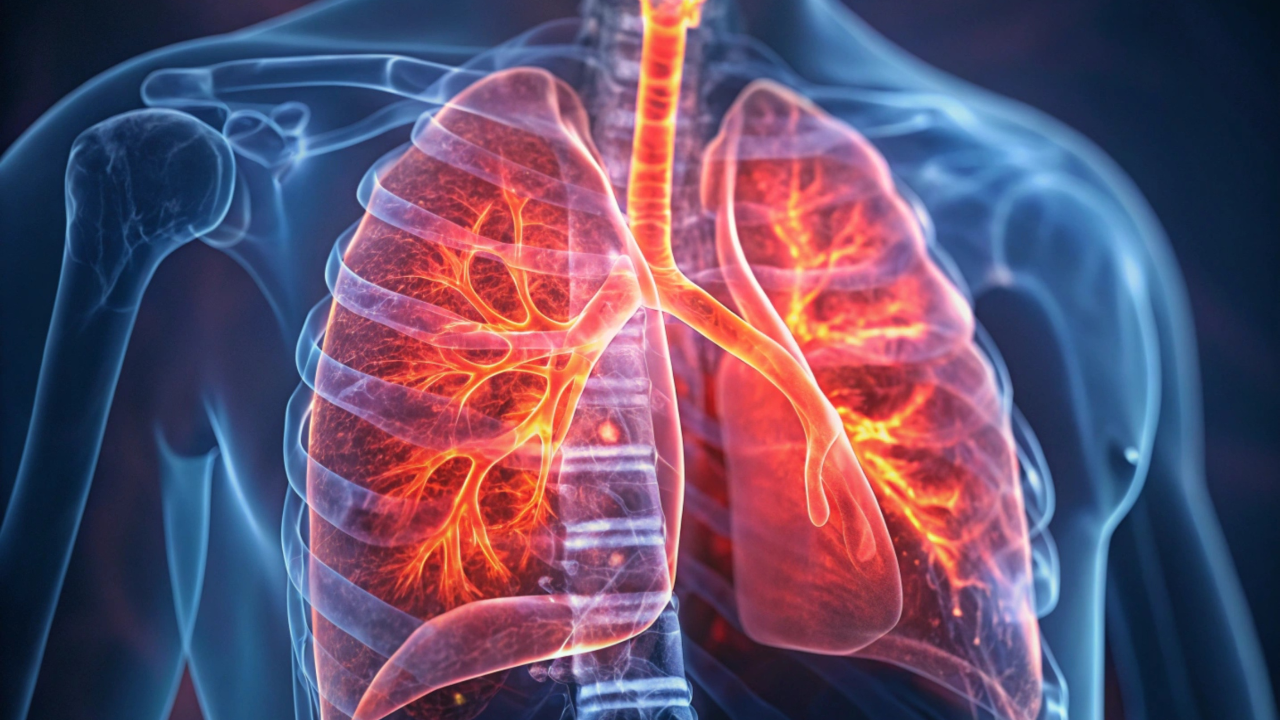
Second hand smoke irritates the airways. It inflames lung tissue and reduces lung function over time. Non smokers exposed at home or work have a higher risk of chronic bronchitis, asthma flare ups, and lung cancer.Children exposed to smoke get more colds, ear infections, wheezing, and hospital visits for breathing trouble. In people with asthma or COPD, even short exposure can trigger severe breathlessness and emergency visits.
Risks for children, pregnancy, and fertility
Babies and children breathe faster. They take in more air per kilogram, which means more toxins from the same smoky environment. Exposure during pregnancy links to low birth weight, premature birth, and higher risk of sudden infant death syndrome, or SIDS.Children who grow up around smokers are more likely to develop asthma. Second hand smoke also affects fertility in both men and women by damaging sperm quality—and egg health.
Why just one cigarette near others is harmless

There is no safe level of second hand smoke. Toxins reach high levels quickly in enclosed spaces like cars or small rooms. Opening windows— using fans, or standing near a balcony does not reliably remove the harmful particles that linger in the air and settle on surfaces.Third hand smoke is the toxic residue left on clothes, hair, furniture, and curtains. Children can ingest or inhale it later. Choosing to smoke only outdoors, away from doors and windows, is better than indoor smoking but still not completely risk free for people nearby.
Practical steps to protect loved ones
Making a strict smoke free rule for homes and vehicles is the most effective way to protect family members. Friends and relatives who smoke can be encouraged to step well outside, wash hands, and change outer clothing before holding babies or spending time in close contact.Workplaces, restaurants, and public spaces with strong smoke free policies show lower rates of heart attacks and respiratory problems in the community. For smokers, using second hand smoke as a motivator for quitting often works better than focusing only on self harm. It highlights the impact on people they care about, points Dr. Kunal Sood.