
The one food that can ‘save your legs’, as revealed by top Vascular Surgeon
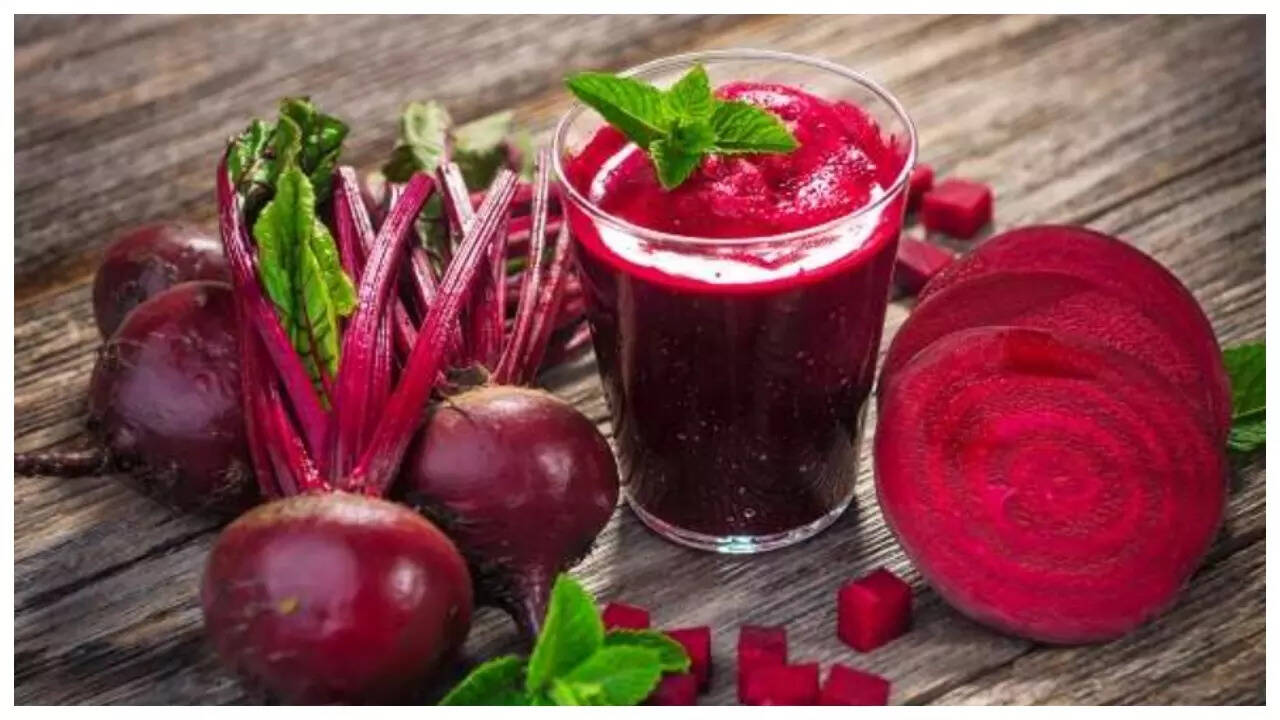
We have often heard about foods that are good for your brain, heart, or the stomach, but what if we told you that there is a food that can literally save your legs? Yes, that is true.Dr. Sumit Kapadia, leading Vascular Surgeon, recently took to his IG handle to reveal this food. He said, “Have you noticed that some people can stand all day and walk long distances without their legs getting heavy or tired? And what if I told you that the answer is not just exercise or genetics, it’s on their plate. The hero here is beetroot.” Let’s take a look…Beetroot is one of the most powerful foods for protecting your legs because it improves blood flow, supports your arteries, and helps your muscles work with less strain. The basic root serves as a daily companion, which helps people with circulation risks and leg artery disease, to extend their walking distance and ascend stairs with reduced discomfort, while maintaining their ability to move independently during older age.
Poor blood circulation endangers the health of your lower bodyThe process of artery narrowing in legs through plaque accumulation, results in decreased blood delivery to muscles, which becomes most noticeable during physical activity such as walking. The medical term for this condition is peripheral artery disease (PAD), which produces calf, thigh and hip pain during short walks, and results in non-healing wounds, that could require amputation at its most severe point.The blood circulation problems in the legs prevent oxygen and nutrients from reaching their tissues, so any minor cut or pressure point can develop into a dangerous condition. Protecting the arteries and improving blood flow early, is one of the best ways to “save your legs” in the long term.Beetroot functions as a natural substance, which increases human body nitric oxide productionBeetroot contains natural nitrates which your body uses to produce nitric oxide through conversion. The body uses these compounds to create nitric oxide, which relaxes blood vessels while making them wider. The relaxation of arteries creates better blood flow, which reduces heart pressure, while it provides leg muscles with increased oxygen delivery.Research conducted in clinical settings shows that beetroot juice which contains nitrates, enables humans to improve their blood vessel dilation, and reduce their blood pressure, which leads to better health of their leg arteries. Better vessel function enables your legs to receive more blood during walking or climbing activities, which results in delayed pain and fatigue.Better circulation in leg arteriesStudies on people with circulation problems, have proven that drinking beetroot juice improves microcirculatory function in leg muscles, which enhances blood flow through the smallest vessels that serve tissues. The treatment method proves beneficial for PAD patients, because their blocked main arteries restrict blood flow to their legs.When one consumes beetroot, the body achieves better blood flow, which enables muscles to remove waste substances, and obtain oxygen better, thus preventing the severe muscle fatigue which makes people need to rest. The ability of someone to move around their home depends on how their walking skills and comfort level improve through small changes.More power and endurance in your leg musclesBeetroot serves two purposes by not only helping blood vessels, but simultaneously aiding muscle energy utilization. Research shows that beetroot nitrate supplements, improve muscle power and exercise performance during leg-based workouts, which consist of knee extension repetitions and high-intensity activities.

By making muscles more efficient, beetroot can reduce the oxygen cost of exercise, meaning your legs need less effort to do the same work. The exercise will help you extend your walking distance, increase your stair climbing ability, and bike riding duration until fatigue sets in, which supports your ability to maintain regular leg function.Less muscle soreness and faster recoveryBeetroot contains betalains which act as antioxidants to protect the body from exercise-induced oxidative stress, and inflammation. Research shows that beetroot supplements enable people to recover from strenuous exercise, because they reduce muscle pain which allows them to continue their physical activities.Your ability to walk again the following day becomes more likely when your legs recover at a faster rate, because you will not need to rest from pain. The body maintains joint protection, muscle mass and healthy blood circulation through this ongoing movement, which benefits from improved recovery abilities.Supporting heart and artery health from head to toeThe same mechanisms that help your legs also protect your heart and major arteries. The nitrates, fiber and antioxidant compounds in beetroot, help people achieve lower blood pressure, while building stronger vessel walls and enhancing their blood vessel inner lining function.Research on animals and humans indicates beetroot consumption leads to decreased atherosclerosis indicators, enhanced blood elasticity, and heart muscle strength, which results in decreased pressure on blood circulation to the limbs. The heart operates at a better level while the arteries become more flexible, which results in improved blood circulation to the legs during each heart beat.Things to considerYou can include beetroot as a regular “leg-saving” food through your daily routine, by following basic habits. Research studies commonly use beetroot juice and concentrated shots, but people can also obtain beneficial nitrate and antioxidant levels through eating grated raw beetroot in salads and sabzis, with lightly cooked beetroot and making their own beetroot juice at home.However, beetroot is not for everyone in unlimited amounts; people with kidney stones (especially oxalate stones), certain kidney conditions, or on specific medicines should speak to a doctor first. It should be seen as a powerful addition to, not a replacement for, medical treatment, walking programs, and risk-factor control for leg artery disease.