

8 dogs that are more prone to obesity than other dogs |
Dogs slip into everyday life with very little effort. They wait near the kitchen, follow footsteps, and sit patiently while plates are cleared. Food becomes part of how attention is shared. A biscuit for being calm. A scrap because nothing should go to waste. None of this feels excessive in the moment. Over time, though, these small choices start to shape a dog’s body. Weight gain does not arrive suddenly or dramatically. It builds quietly alongside affection, routine, and good intentions. Many owners only realise there is an issue when clothes fit tighter around the chest or a vet raises the subject in passing. By then, the habits are well set. Understanding how dogs gain weight means looking closely at everyday moments rather than obvious mistakes.
Why some dogs more prone to obesity than other dogs
Extra weight in dogs has become increasingly normalised. When many dogs look similar, it is harder to spot a problem. Owners often judge health by energy levels rather than body shape. A dog that still runs for the door or begs for food rarely seems unwell.The main cause is rarely overfeeding at mealtimes alone. It is the accumulation of treats, chews, table scraps, and food given outside the bowl. Portions also tend to grow over time, especially as dogs age and activity levels drop slightly.Certain life stages make weight gain more likely. Middle age is one of them. Neutering can also change appetite and metabolism. These shifts are subtle and easy to miss.
Which dog breeds are more likely to gain weight
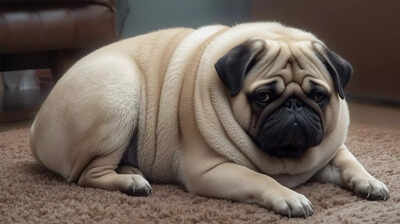
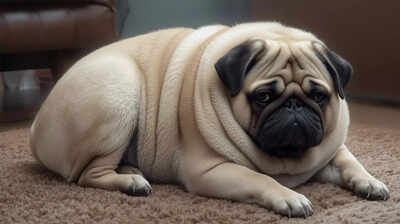
According to the Royal Veterinary College, some breeds appear to struggle more than others. Research has found higher odds of excess weight in breeds such as
- Pugs
- Beagles
- Golden Retrievers
- English Springer Spaniels
- Border Terriers
- Labrador Retrievers
- Cavalier King Charles Spaniels
- Cocker Spaniels
This does not mean these dogs are destined to be overweight. It means they may need more careful portion control and fewer extras. Genetics can influence appetite and how the body stores fat. Two dogs eating the same food can respond very differently.Breed, however, is only part of the picture. Any dog can gain weight if calories consistently exceed needs.
How does human food affect a dog’s diet
Sharing food is one of the most common ways extra calories enter a dog’s day. Many owners do it without much thought. A small piece feels harmless. Dogs are smaller than people, though, and their calorie needs reflect that.Meat leftovers are a frequent example. Bacon is especially dense. Two rashers can make up over half of the daily calories for a very small dog. For a small dog, it is closer to a third. Medium sized dogs are still affected more than expected. Even very large dogs receive a noticeable calorie boost from the same amount.Sausages and roast chicken follow a similar pattern. One thick sausage can take up a large portion of a small dog’s daily allowance. These foods are also high in fat and salt, which adds to the issue.
Are some shared foods safer than others
Some foods seem lighter but still carry weight. A single scrambled egg can account for a large share of calories for an extra small dog. For bigger dogs, the impact is smaller, though not irrelevant.Sweet treats are often overlooked. A small whipped cream pup cup may appear minimal, yet it can still approach a tenth of a small dog’s daily intake. When added to other treats, it no longer feels small.The problem is rarely one item. It is repetition.
What do owners tend to overlook
Dogs do not self regulate. They eat what is offered and remember where it came from. Food becomes linked with attention, comfort, and routine.Weight gain happens quietly. It does not announce itself. Often, the signs appear slowly in posture, movement, or breath. By the time it is obvious, habits are already in place.(Disclaimer: This article is for general information only and should not replace professional veterinary advice. Always speak to a qualified vet before making changes to your dog’s diet or weight management plan.)