

Neuroendocrine cancer: All about the cancer that Irrfan Khan was diagnosed with


Neuroendocrine cancer is one of the rarest types, which begins with special hormone-making cells scattered through the body, and it was the tumor with which Irrfan Khan was diagnosed back in 2018. These cancers can be in the ‘quiet’ stage for many years or can become terribly aggressive all of a sudden, fair enough to keep people in the dark until much later than they want to know. Irrfan wasn’t afraid to speak about his struggles publicly; he underwent treatment in London and returned home, but all efforts went in vain as he took his last breath on April 29, 2020, at the age of 53 years in Mumbai due to this deadly cancer amid his ongoing fight.
Exactly what neuroendocrine cancer consists of
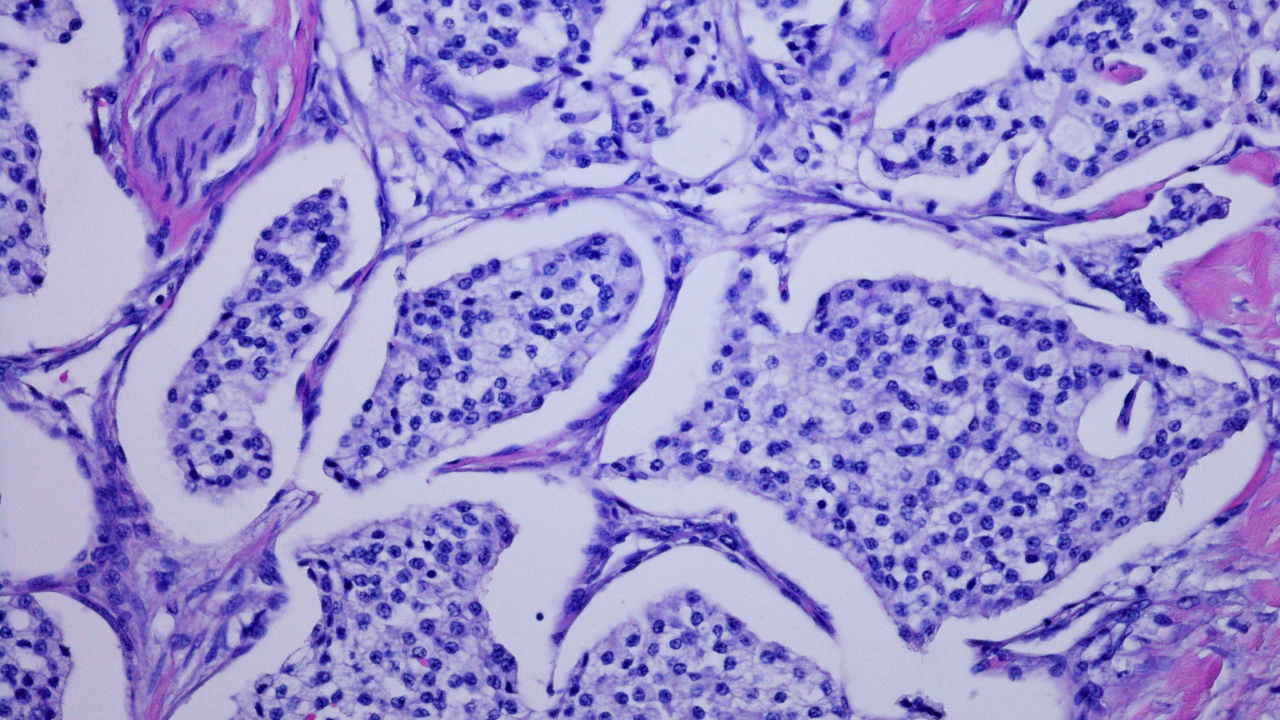
These tumors originate from neuroendocrine cells, which function as a hybrid of nerve and hormone-producing cells. They can appear almost anywhere, from the gut and lungs to the pancreas or thyroid.It was previously called carcinoid, and doctors divided them into slower-growing neuroendocrine tumours-usually called NETs for short-and the faster, more aggressive neuroendocrine carcinomas-NECs. Some churn out extra hormones, which cause weird symptoms, whereas others just lie in wait silently until they have spread.
Irrfan Khan’s battle with it
In March 2018, Irrfan posted on social media about facing a “rare disease,” soon revealed as a neuroendocrine tumour. He jetted off to the UK for specialized care, kept filming when he could, and beat it back for a couple of weeks .Things took a turn in early 2020. His mother passed on April 25, and lockdown kept him from her side in Jaipur. Admitted to Kokilaben Hospital on April 28 for a colon infection, he slipped away the next day, leaving fans worldwide heartbroken.
Symptoms that slip under the radar
Where it starts and if it’s hormone-active decides the signs, but early ones mimic everyday gripes.Watch for stuff like nagging belly pain, bloating after tiny meals, weight dropping off without reason, or bowel changes that drag on. Hormone overdrive brings flushing, wheezing, racing heart, and stubborn diarrhea.
Why it often flies under the radar

Rare as they are, these cancers don’t top most doctors’ lists at first glance. Symptoms blend with IBS, reflux, or stress, so folks bounce between specialists.Diagnosis mixes scans (CT, MRI, special PETs), blood/urine hormone checks, and biopsy.
Treatment paths and real talk on outlook
Plans fit the tumour’s spot, speed, spread, and hormone habits. Slow ones might just get monitored; others hit hard right away.Key steps include surgery if it’s catchable, somatostatin drugs to tame hormones and growth, or advanced options like chemo, targeted meds, and radionuclide therapy.Survival spans widely: early low-grade ones offer years, but high-grade spreaders are tougher. Your oncologist team paints the full picture after tests.Persistent odd symptoms? Chat with a specialist. Early nudges can change everything.