
Bengaluru’s Christmas Waltz | Bengaluru News
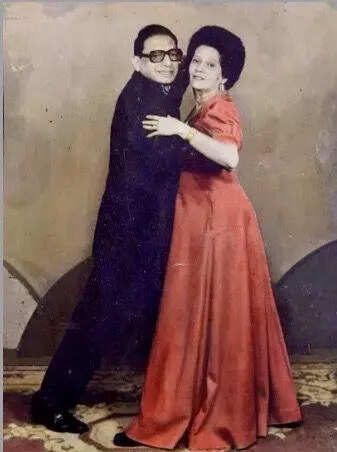
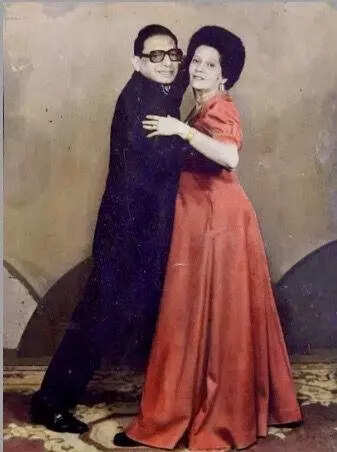
There was a time when ballroom dancing wasn’t just an occasional indulgence in ‘Bangalore’ — it was the cultural heartbeat of entire neighbourhoods. Christmas galas, New Year’s Eve dances, club socials, community halls echoing with swing bands, jive nights, and couples turning gracefully to waltz rhythms were all part of the city’s old social fabric. Over the years, as tastes shifted and new-age lounges replaced live bands, ballroom dance slipped quietly into smaller pockets, cherished mostly by those who grew up with it.Yet every December, something magical happens. The tradition returns — polished, glowing, and alive. Christmas brings with it a social energy that stirs old memories and invites new dancers into the fold. In the right corners of the city, beneath warm yellow lights and on wooden floors burnished with decades of footsteps, Bengaluru’s ballroom dance culture still glitters.When December arrives, the city itself begins to move differently. Evenings turn cooler, lights grow warmer, and a gentle nostalgia settles over its older neighbourhoods. Carols drift from church choirs, plum cakes are wrapped in parchment, and families gather around long tables. And for one small but dedicated community, Christmas also arrives on a polished dance floor — with waltz turns, foxtrot walks, cha-cha-cha rhythms, rock-and-roll spins, and jive kicks counting out slow-quick steps.Where the Old World Still DancesInside Connie and Danny’s studio, time seems to slow. The wooden floor carries the faint shine of thousands of turns; couples stand in a tentative waltz hold, adjusting elbows, straightening spines, finding their rhythm. Maxwell circles the room, gently correcting frames and footwork. There is something undeniably old-world about it — reminiscent of Bangalore before flyovers, before glass towers, when Christmas balls, club socials, and swing music defined community life. That memory hasn’t faded. It has simply evolved.A legacy floor & a seasonal rhythmAt the heart of this tradition stands the 75-year-old Connie and Danny Ballroom Dancing School — the oldest in Bengaluru and one of India’s longest-running dance institutions. Founded by Connie and Danny Philip, later helmed by their daughter Ester D’Cruz , and now run solely by her son Maxwell D’Cruz, the school’s legacy is woven tightly into the city’s cultural story.Maxwell, the third generation of professional dance tutors, now guards not just a studio but an entire lineage — mirrors that have seen generations of dancers, wooden floors that have absorbed decades of footwork, and walls that still echo with jive rhythms from a bygone era. After his mother’s passing four months ago, he finds himself holding a historic space that shaped the city’s social dance scene, out of its Kammanahalli and Koramangala centres. As Christmas approaches, the quiet studio begins to transform.“This is our peak time — November, December… till before Easter. Weddings are there, parties are there,” he says. The festive season seamlessly blends into the wedding months, and inquiries pour in. Anglo-Indian, Goan, and Mangalorean communities — long associated with ballroom dancing— remain passionate participants. “We get a lot of inquiries… especially from those communities,” Maxwell adds, describing the familiar December bustle.But the floor today looks far more diverse than it did decades ago. Bengaluru’s shifting social landscape has brought in young IT professionals, interfaith and inter-community couples, and families eager to try something new. “Around 10 to 15 mixed couples came last December,” Maxwell recalls — many preparing for a first dance, a choreographed reception entrance, or a playful jive routine to surprise their families.Let the celebrations begin!Nikhil Isaac from Frazer Town — real-estate professional, author and ballroom dancer for nearly a decade — has witnessed the same trend across India. For him, ballroom dance is “a rich history… a very old art form… such an elegant form of art,” rooted in the aristocratic courts of 16th-century Europe. He describes it as “a mix of art and science,” where precision meets expression.Every December, he observes, the rhythm of cities changes.“Every city has a spike,” he says. Christmas and New Year usher in dinner dances, themed galas, and vintage-style ballroom dance evenings. These events resurrect the waltz, quickstep, rumba, cha-cha, foxtrot, and jive — inviting people to step out of everyday rush and into a world of grace.The wedding season amplifies this interest. December and January remain peak wedding months, and more couples dream of a ballroom-style “first dance.” Film influences play a big part — cinematic waltzes, sweeping reception scenes, and slow-dance moments inspire newly engaged couples. For many, the thrill of learning to glide, lead, follow, and turn in sync becomes a cherished memory.For instructors, it’s a season of joy, long hours, and endless repetitions of one-two-three, one-two-three.Voices from the floorFor Cheryl Alphonse, who has been practising the waltz, the season itself brings the urge to dance. “The Christmas vibe does bring that urge, especially from the Anglo-Indian community,” she says. But she also notes the lack of promoted ballroom dance events today.“Unfortunately there aren’t many. Or at least none that are promoted enough for people to be aware of. The best place has been the Catholic Club so far. It has the vibe, the people, the music. It would be nice to have waltz-specific events though.”Cheryl, based in Kammanahalli, says younger dancers are now curious about classical ballroom dance — “The younger ones want to fancy this skill. Although, I must say the older generations keep it alive!”For communities like the Anglo-Indians, ballroom dance remains entwined with the spirit of Christmas.“I think the social atmosphere plays the highest card… Communities thrive at social gatherings and what better way to do it than dancing? Every year you have fun, and the next year you want to recreate the same — maybe even better.”Roxanne, a 55-year-old Anglo Indian community member from Cox Town, remembers when ballroom dancing was simply expected at social gatherings. “We learnt the steps from parents, siblings, friends. Younger cousins refuse to learn the dances unlike we used to do,” she says. Ballroom dance was big back then; now it’s something people mostly remember during the festive season.Maxwell agrees. His school, he says, has been an ambassador of ballroom dance culture for more than half a century — trying to ensure it does not fade slowly as Gen Z gravitates toward lounge music, Bollywood beats, and club nights instead of live bands and traditional etiquette.Today, ballroom dancing survives largely in small pockets — Catholic clubs, The Bangalore Club, community halls, and private festive-season events.A season that still dancesAnd yet, each December, the spark returns. As Bengaluru hangs stars on balconies, buys candles for midnight mass, and pulls out winter coats, another ritual unfolds quietly: couples tying their laces, stepping onto a wooden floor, counting beats softly under their breath.The waltz begins.