What pale stools may say about liver and bile health |
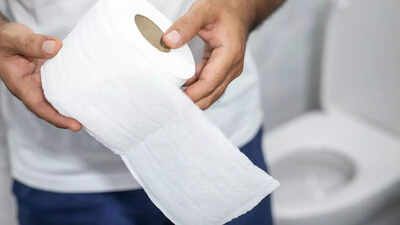
Pale stools are one of those changes people notice almost by accident. A glance into the toilet bowl, a pause, then a question that lingers longer than expected. Colour feels minor, yet it often reflects quiet processes inside the body. When stools turn clay or putty coloured, it can point toward the system that handles bile. This includes the liver, gallbladder, and pancreas, organs that usually work without attention. The shift does not always come with pain. Sometimes there is tiredness, mild nausea, or nothing at all. That absence of drama is what makes it unsettling. Understanding what pale stools may suggest helps people decide when to wait and when to seek advice without panic but with care for small physical warnings over time.Let’s understand what the University of Florida says about pale stool and health risks.
Pale stool: Causes , health risks, and when to see a doctor
The brown colour most people expect comes from bile. The liver produces bile, which moves through the bile ducts and into the gut. Along the way, it helps break down fats and is altered by digestion.
If bile does not reach the stool in normal amounts, the colour changes. It can look pale, greyish, or like soft clay. This shift is often gradual rather than sudden, which is why it can go unnoticed for a while.
Why does bile sometimes stop flowing properly
Bile flow can slow or stop for several reasons. Sometimes the liver itself produces less bile due to infection or inflammation. In other cases, bile is made but cannot pass through narrowed or blocked ducts.Gallstones are a common cause. Tumours, both cancerous and non cancerous, can also press on the biliary system. Scarring inside the ducts, known as strictures, may develop slowly and quietly.
Can medicines and alcohol affect stool colour
Yes, they can. Certain medicines interfere with bile production or movement. These include some antibiotics and drugs that affect the liver.Heavy or long term alcohol use can inflame the liver. Alcoholic hepatitis may reduce bile output, which then shows up in stool colour. This change often appears alongside fatigue or yellowing of the skin.
Why do pale stools sometimes come with jaundice
Jaundice happens when bile chemicals build up in the body instead of draining away. The skin and eyes turn yellow as these substances collect in the blood.When this occurs alongside pale stools, it often suggests a blockage or slowdown somewhere in the biliary system. The two signs together tend to carry more weight than either one alone.
Are infections linked to clay coloured stools
Viral hepatitis is one possible cause. It affects the liver directly and can reduce bile production for a period of time. Some people notice stool changes before other symptoms fully appear.Congenital problems, present from birth, may also affect bile ducts. These are less common but can lead to recurring colour changes over the years.
When should stool colour changes be checked
If stools stay pale for several days, it is worth speaking to a healthcare provider. Especially if there is jaundice, itching, dark urine, or persistent tiredness.Sometimes the cause is temporary. Sometimes it is not. The body tends to offer small signals rather than loud warnings. Stool colour is one of those quiet signs, easy to miss, yet rarely meaningless when it lingers.(Disclaimer – This article is for general information only and does not replace medical advice. Always speak to a qualified healthcare professional if you have symptoms or concerns.)