
What is beauty parlour stroke syndrome? What are the hidden risks, and how to stay safe |
A salon visit feels harmless. A quick shampoo, a gentle massage, and a relaxed neck. But for a small number of people, a certain neck position during hair washing can reduce blood flow to the brain. This rare but real condition is called beauty parlour stroke syndrome. Knowing how it happens and how to reduce risk can turn a routine appointment into a safer one.
What is beauty parlour stroke syndrome
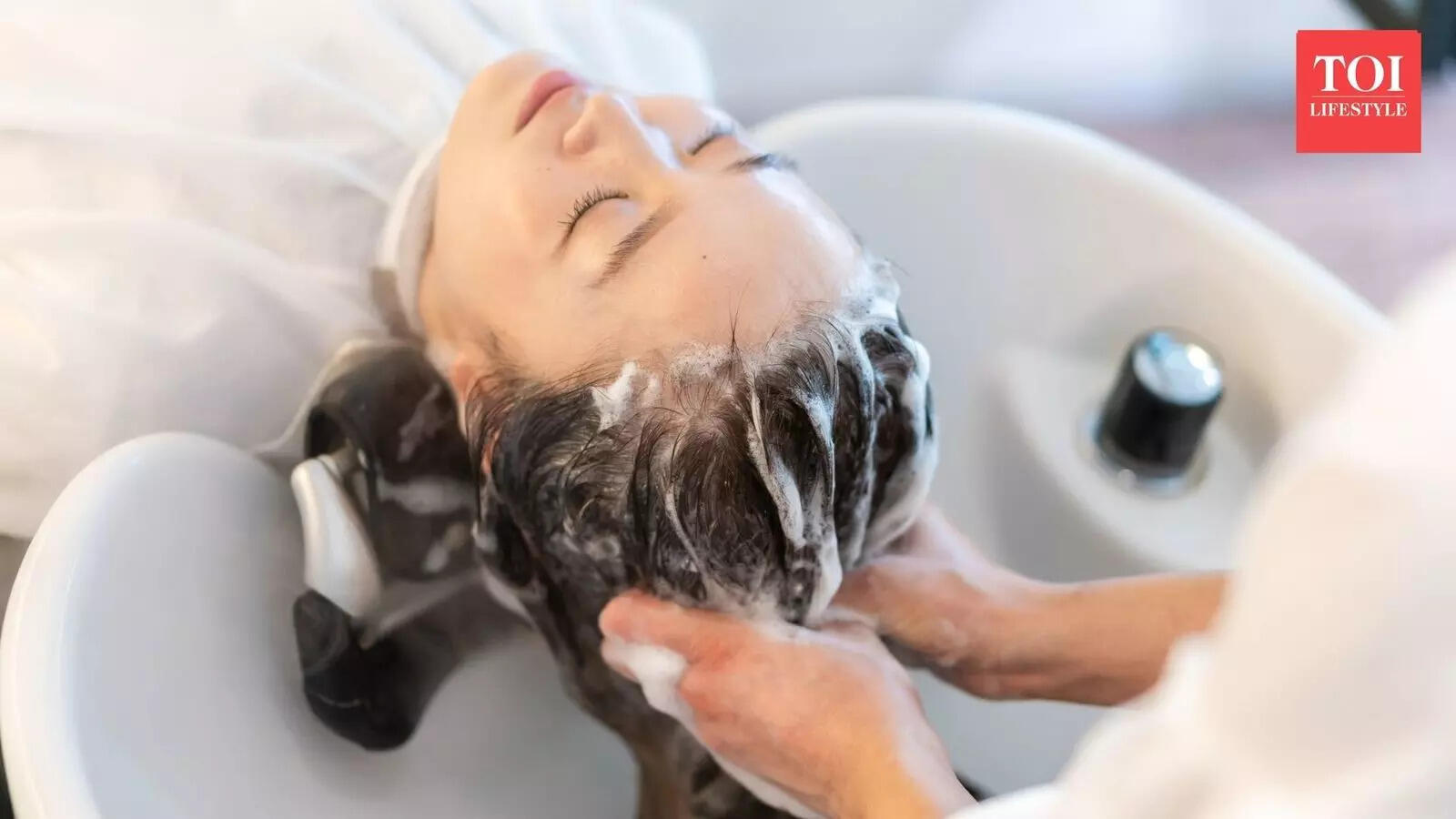
Beauty parlour stroke syndrome refers to a stroke or mini-stroke linked to neck positioning, most often during hair washing at a salon. The neck is bent backward over a sink for several minutes. In some people, this posture can compress or stretch arteries in the neck, especially the vertebral arteries that supply blood to the brain. Reduced blood flow can lead to dizziness, weakness, or, in rare cases, a stroke.
This condition was first described in medical reports in the early 1990s. It remains uncommon, but awareness matters because the trigger is avoidable.
Why the shampoo chair matters more than it looks
The risk is not the shampoo or the massage. The concern is sustained neck extension. When the neck is tilted back sharply, the space around key blood vessels narrows. Age-related stiffness, neck arthritis, or existing vessel changes can increase vulnerability.Even healthy adults can feel symptoms if the position is extreme or held too long. Small discomforts are early warning signs, not normal salon fatigue.
Signs that should never be ignored
Symptoms may appear during the wash or hours later. Some are subtle and easy to dismiss.Watch for these signs:
- Sudden dizziness or spinning sensation
- Neck pain followed by headache
- Blurred or double vision
- Slurred speech
- Weakness on one side of the body
- Trouble with balance or coordination
Any of these need urgent medical attention. Quick care can prevent lasting damage.
Who should be extra careful
Certain groups carry higher risk, even with short exposure.Extra caution is needed for people with:
- Neck arthritis or chronic neck pain
- History of stroke or transient ischemic attack
- High blood pressure or diabetes
- Smoking history
- Blood vessel disorders
- Recent neck injury or surgery
For these individuals, comfort should never be compromised for convenience.
Smart, practical ways to stay safe at the salon
Safety does not mean skipping salon care. It means changing small habits.
- Ask for a neutral neck position. The neck should stay close to straight, not sharply bent back.
- Request a towel roll under the neck. This simple support reduces vessel strain.
- Limit wash time. A shorter rinse lowers risk without affecting results.
- Speak up at the first discomfort. Pain or pressure is a signal to stop, not push through.
- Choose forward-leaning wash options. Some salons offer basin-free or forward-tilt washing.
- Avoid neck massages if stiffness exists. Gentle scalp massage is safer than neck pressure.
These steps protect blood flow while keeping the experience pleasant.Disclaimer: This article is for general awareness only and does not replace medical advice. Symptoms like dizziness, weakness, or vision changes need immediate medical evaluation. Always consult a qualified healthcare professional for diagnosis and treatment.