
Could water replace oil to make tandoori-style paranthas? Here’s how |
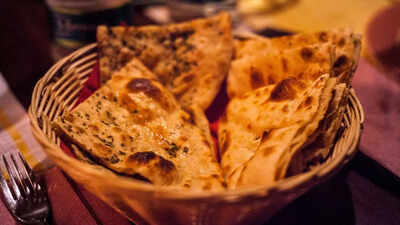
Traditional tandoori-style paranthas are characterised by an abundant aroma, a browned surface, and a lightly crisped exterior-all closely associated with the use of oil or ghee during cooking. With increasing debate over lighter ways of cooking and fat intake, there has been much speculation on whether water could mimic some of these roles without changing the character of the bread. This is not a question born only out of culinary novelty but out of food chemistry, particularly how heat, moisture, and surface reactions interact during high-temperature cooking. Understanding the role of water in parantha preparation discloses how subtle changes in technique can recast texture, flavour, and nutritional profile while still paying homage to the core tenets of tandoori cooking.
How tandoori-style paranthas can be cooked using water, without oil
Making oil-free paranthas with water depends on controlled moisture and higher temperature rather than surface fat. The steps are the same as most recipes, but will demand sensitivity with regard to time and water, so there is no sticking and hot spots. The goal is to use water as a way of regulating the temperature of the surface while allowing the dough to cook efficiently through.
- Make the whole wheat dough by mixing the flour, water, and salt. The dough should be smooth and elastic after being kneaded; it must be rested to allow gluten to form.
- Divide the dough into portions and then roll each into a disc, lightly dusting with dry flour so as not to stick.
- Take a heavy pan or tawa and heat it over medium heat until it is very hot. It should be heated in such a way that there is uniform heating on the surface.
- Just before placing the rolled parantha onto the hot pan, sprinkle or brush water lightly onto one side of it.
- Place the water-coated side down in the pan so that the steam can create a crust on the surface without adding extra fat.
- Flip once bubbles appear, adding a few drops of water if needed to keep it moist, but not scorched.
- Press it lightly until it touches the bottom of the pan completely, until cooked.
What role water plays in browning and heat control
Replacing oil with water changes the thermal and chemical environment at the surface of the parantha. Water absorbs heat during the evaporation process; it limits the surface temperature and, thus, also affects the browning reactions. This is closely related to the Maillard reaction, which is the chemical process for the typical colour and aroma of bread. The review article published in Foods states that moisture content and water activity have a deciding role in controlling this reaction. With more moisture, the rate of reaction becomes slower since it reduces the surface temperature and the concentration of reactants.
- Evaporation of water keeps the temperature at the surface closer to the boiling point, rather than having rapid overheating.
- Lower surface temperature compared to oil-based cooking limits the intensity of Maillard browning.
- The steam at the surface encourages the gelatinisation of starch at the surface, hence giving it a softer exterior.
- With higher water activities, interaction between proteins and sugars still occurs, but at a slower rate.
- Heat is primarily transferred via conduction and steam, rather than by the mediation of fat.
How are water-cooked paranthas different from oil-based ones?
Oil-based paranthas benefit from the fat’s ability to raise surface temperature quickly and promote the even distribution of heat, which produces their distinct roasted profile. Shifting this balance to being water-based skews it toward very evident differences in appearance, aroma, and mouthfeel. Differences, not defects, results of a different physical process.
- Oil allows surface temperatures to rise above the 150-degree threshold needed for extreme browning and crisping.
- Water-based paranthas remain paler with fewer dark spots resulting from advanced Maillard reactions.
- Fat transports and holds onto aromatic compounds, while water releases some volatiles upon evaporation.
- Oil puts up a very minor barrier that limits moisture loss, whereas water promotes continued steam release.
- The finished texture is much softer with water and more like bread, rather than flaky or in layers.
Why water-based paranthas can be a better choice
The nutritional and sensory profiles of water poppers tandoori-style paranthas change in ways that seem to suit certain dietary preferences and some contextual aspects of cooking. Although it does not replicate every attribute of oil-based preparation, it offers advantages grounded in both health considerations and cooking control.
- Eliminating added oil reduces overall calorie intake and the saturation of fat intake.
- Water-based cooking brings the real flavour of wheat without masking it with fat.
- Lower surface temperatures reduce the formation of advanced Maillard by-products responsible for excessive browning.
- This method allows for easier portion control over fats, as oil can be added selectively or not at all.
- Softer textures might be advised for those looking for easier digestion or lighter meals.
By relying on water’s capacity to regulate heat and moisture, this approach shows that tandoori-style paranthas can be effective without complete reliance upon oil. The result is rooted in culinary tradition and food science, balanced by measurable changes in chemistry rather than compromise or imitation.Also Read | What makes kimchi good for immune health? A simple recipe to make at home