

Steel inputs squeeze: Curbs on low-ash coke raise costs for makers; GTRI highlights input-side challenges
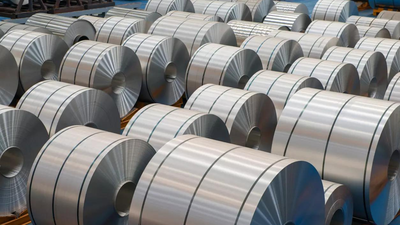
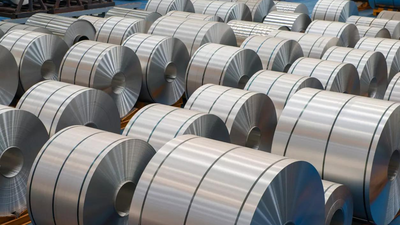
India’s steel capacity expansion is coming under pressure from a policy mismatch that raises input costs even as the government seeks to protect domestic producers, according to a report by the Global Trade Research Initiative (GTRI).“Protecting domestic metcoke producers is valid, but stacking quotas and duties on a non-substitutable input risks over-correction and macroeconomic consequences,” said Ajay Srivastava, founder of GTRI, referring to restrictions on low-ash metallurgical (LAM) coke alongside safeguards, anti-dumping duties and Quality Control Orders on finished steel imports.As quantitative restrictions approach expiry at the end of 2025, Srivastava said policy recalibration is needed. “India should restore predictable and adequate access to LAM coke by lifting or sharply expanding quotas, avoiding overlapping controls, and recalculating duties using realistic dry-bulk freight. A calibrated approach would lower steel costs, improve productivity, support MSMEs and strengthen growth. In steel — and in growth — inputs matter,” he said.LAM coke accounts for around 35–40% of steel production costs and is a critical input in the blast furnace–basic oxygen furnace steelmaking route. Its low ash content improves furnace efficiency, lowers fuel consumption and supports higher productivity. With most domestic coal carrying ash levels of 14–15%, imports of low-ash coke are technically unavoidable for many Indian steelmakers, the report said.Over the past year, controls on LAM coke imports have tightened through safeguard measures, quantitative restrictions and provisional anti-dumping duties, constraining both volumes and prices. A safeguard investigation in 2023 led to import caps, followed by country-wise quotas from January 2025 limiting imports to 1.4 million tonnes per half-year, a ceiling extended through December 2025, GTRI report claimed. In parallel, an anti-dumping probe covering Australia, China, Colombia, Indonesia, Japan and Russia resulted in provisional duties of $60–$120 per tonne in November 2025, the report noted.GTRI flagged freight benchmarking as a key concern in the anti-dumping investigation. While LAM coke is shipped largely as dry bulk with freight costs of about $20–25 per tonne, container freight benchmarks were reportedly used, inflating landed values and dumping margins beyond what trade economics would justify.The impact on supply is already visible, the report said. In the first half of 2025, steelmakers secured about 1.5 million tonnes of metallurgical coke against demand exceeding 3 million tonnes, increasing reliance on uneven domestic supply and raising the risk of production disruptions. With LAM coke making up roughly 38% of finished steel costs, a 20–25% rise in coke prices translates into a 3–5% increase in steel prices, squeezing margins and affecting competitiveness in domestic and export markets.Restricted access to quality coke has also reduced productivity by increasing coke consumption, raising energy use and causing operational downtime. MSMEs in secondary steel, foundries and ferro-alloys have been hit hardest, with cost pressures cascading into downstream sectors such as automobiles, infrastructure and engineering exports, the report noted.