
MAGA’s Carthage moment, The Odyssey for Beginners, and Dhurandhar’s Qawwali Reboot
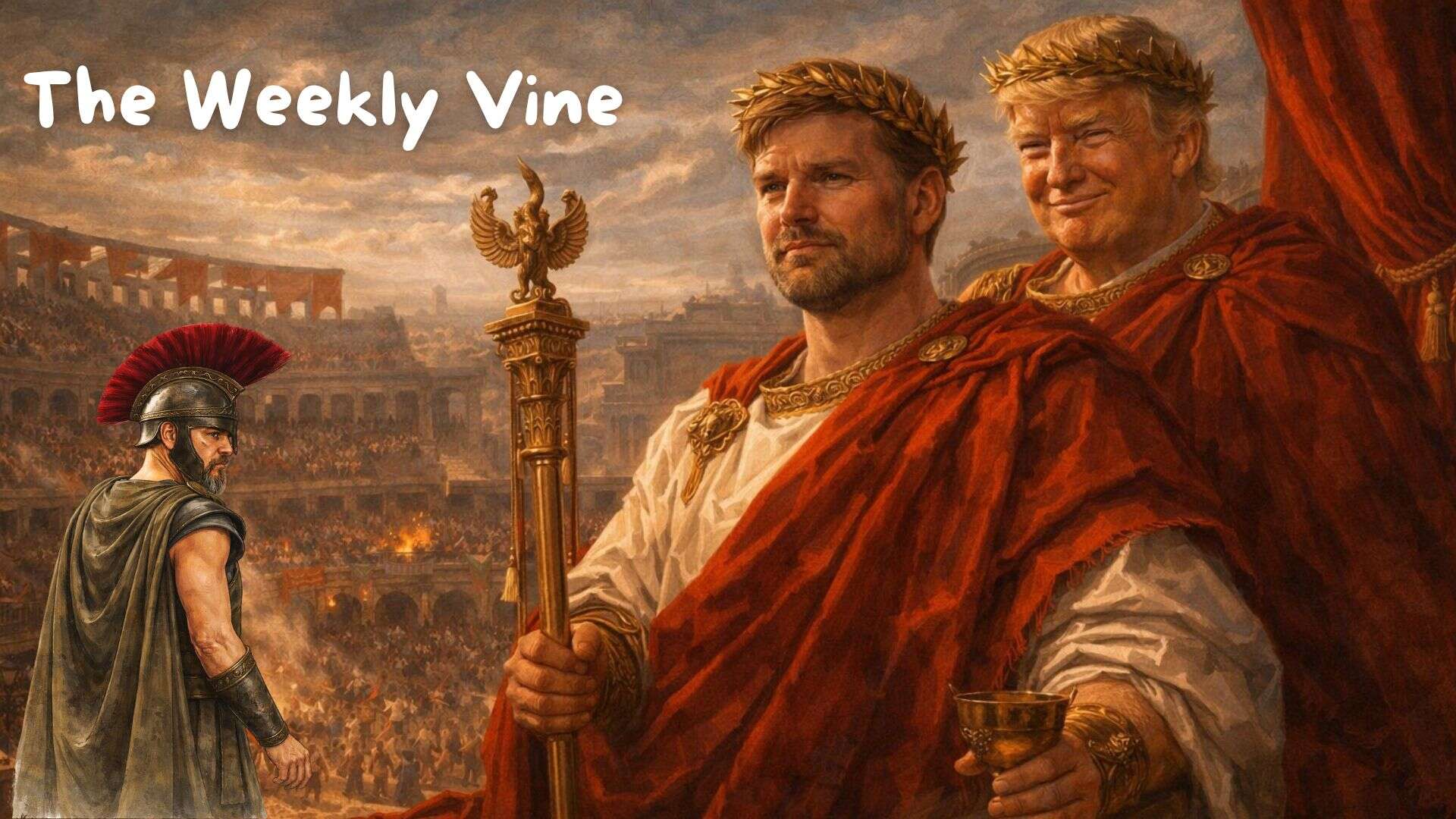
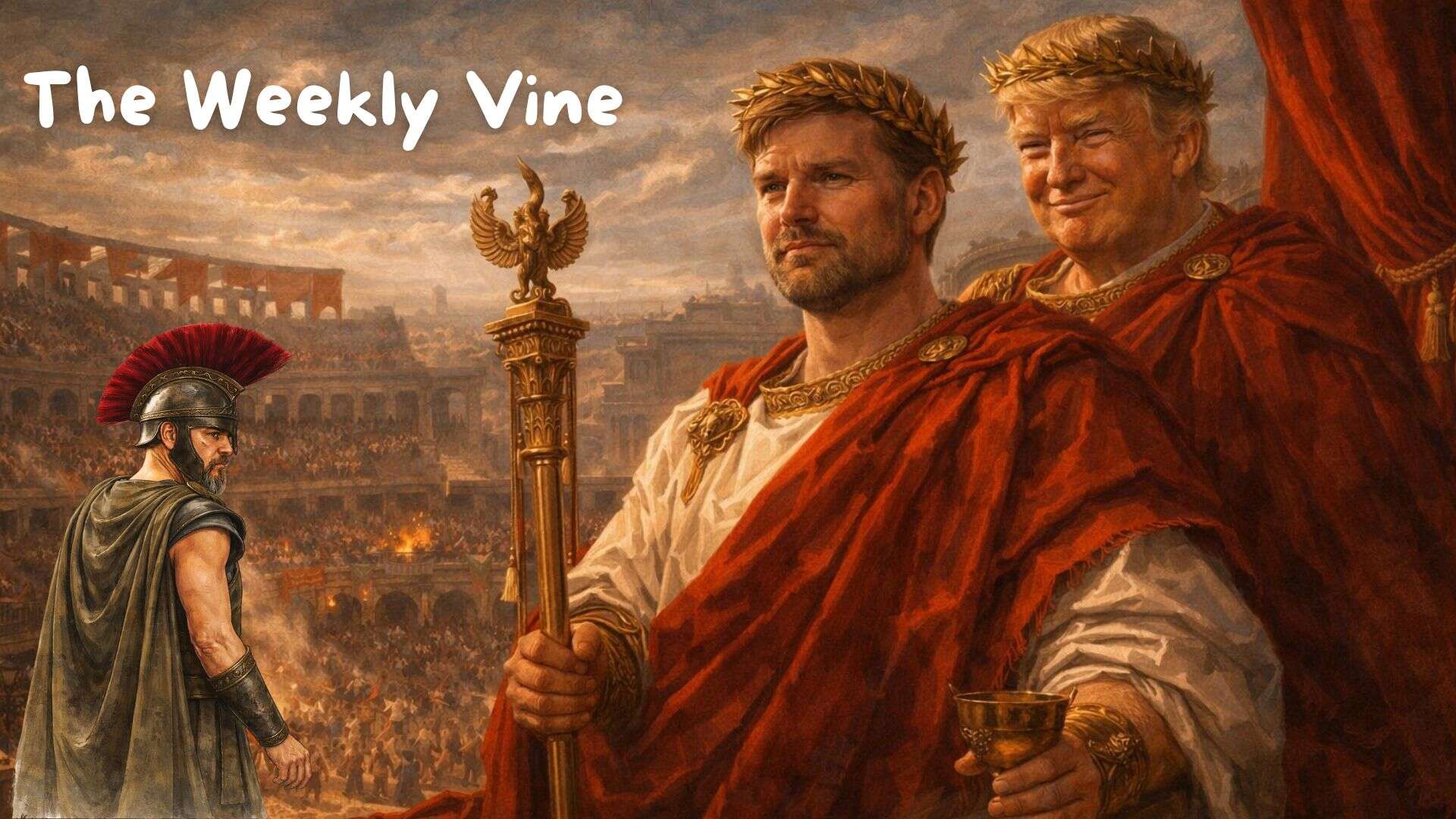

Hello and welcome to another edition of the Weekly Vine. This week, we take a look at MAGA’s Carthage moment, explain The Odyssey for beginners, decode the 9/11 for sigma males, and finally examine how Dhurandhar reinvented a classic qawwali.
MAGA’s Carthage moment
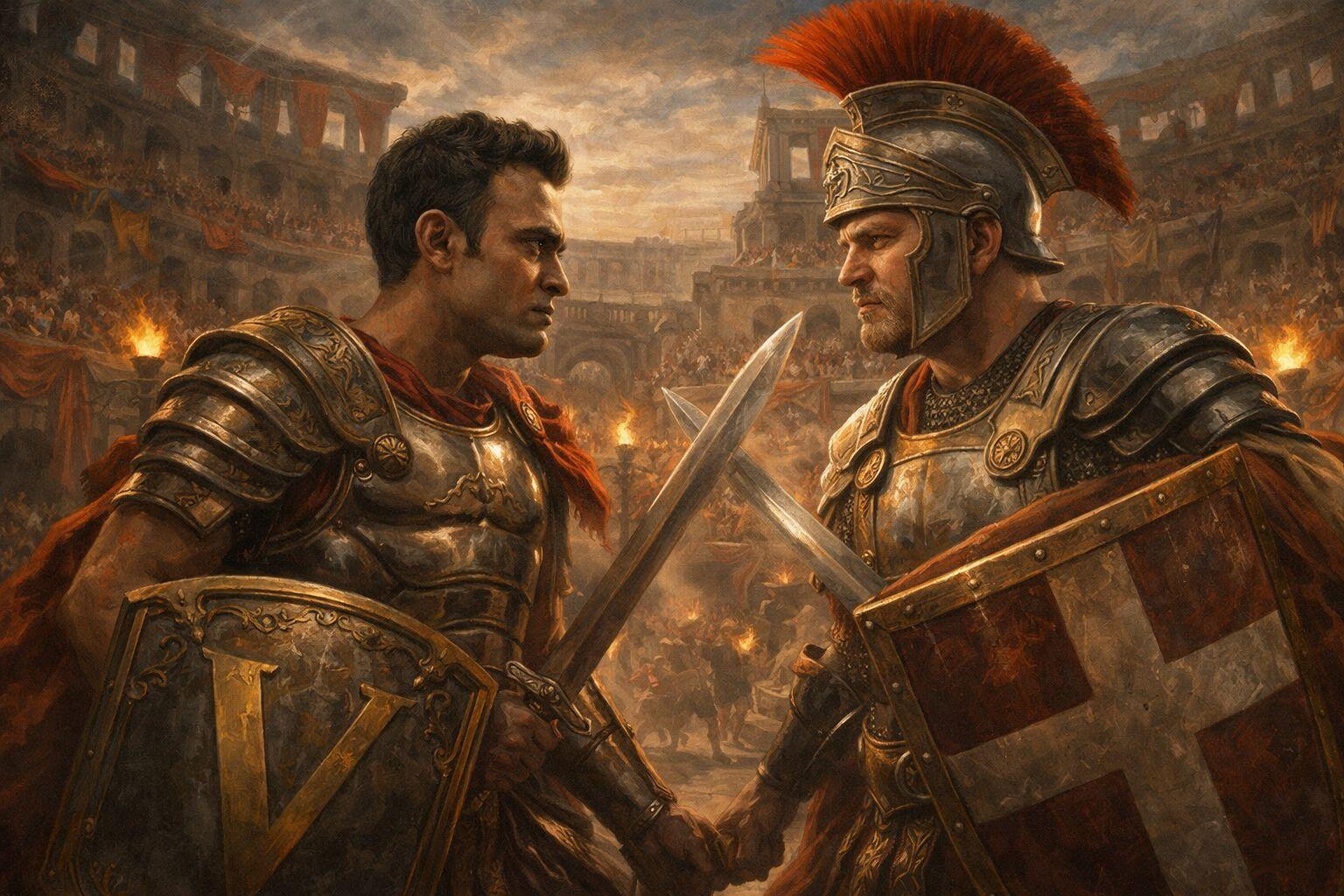

Sallust, Julius Caesar’s protégé, argued in Bellum Catilinae that the downfall of the Roman Empire was inevitable after the destruction of Carthage. His view was that once a powerful rival was removed, complacency would ensure that Rome would decay from within. The fear of an enemy, he expounded, kept a state sound. The lack of a rival, on the other hand, led to internecine fights that produced internal decay.
One year after MAGA helped Trump storm back into the White House, the movement appears to be entering its post-Carthage moment, as evidenced by the open fighting at Turning Point USA’s AmericaFest. Erika Kirk’s movement, ostensibly meant to honour her fallen husband Charlie Kirk, had the aesthetics of a WWE pay-per-view. This is fitting, given that Trump is the first WWE Hall of Famer to become president.
The conflict can be briefly summed up as three overlapping battles: MAGA’s media rumble, the attempt to define what constitutes an American, and how MAGA will deal with racists within its midst.
The first, the media rumble, began with Tucker Carlson platforming Nick Fuentes, a Groyper, a Hitler-loving incel who routinely says unpublishable things about Jews and Indians, including about JD Vance’s wife, Usha. This triggered a free-for-all among MAGA media figures, with Tucker Carlson, Steve Bannon, Megyn Kelly, Candace Owens, and Ben Shapiro all circling the wreckage.
The second battle involved the rising tide of anti-Indian and anti-Jewish sentiment within MAGA, tied both to the Israel–Gaza war and to broader anti-immigrant rhetoric.
The third centred on what it even means to be an American.
Some argued that only “heritage Americans”, those whose ancestors ostensibly arrived on the Mayflower, qualify as real Americans. Others, most notably Vivek Ramaswamy, countered that anyone who believes in the Constitution, the rule of law, free speech, and pledges allegiance to the American flag is an American, irrespective of skin colour or place of birth. This argument echoes Ronald Reagan’s observation that while you cannot become French by moving to France, anyone from anywhere in the world can become American, as well as Martin Luther King Jr’s insistence that character, not colour, should define citizenship.
All of this makes it a particularly delicate moment for JD Vance, who is walking a narrow razor: avoiding open confrontation with MAGA’s white nativist base while being seen to defend his Indian wife and children. Normies do not vote for politicians who will not stand up for their families. It is a difficult balance, but one Vance appears willing to attempt, because the reward is becoming America’s first millennial president.
The deeper irony is that Democrats once faced a similar inflection point during the Obama years. Instead of choosing moderation, they allowed the most radical ideas of fringe activists, including views on gender, sports, and identity that alienated parents and mainstream voters, to define the party. The result was a perception that Democrats cared more about being woke than about bread-and-butter concerns. The electoral consequence was historic: Trump became the first Republican to win the popular vote since George W Bush in 2004.
Now, with Jew- and India-haters increasingly visible, Republicans risk losing the coalition that brought them victory: tech bros, angry ex-Democrats, and enraged parents.
And that brings us back to Carthage. Rome did not fall when Carthage stood across the sea. Rome began to rot when Carthage was gone.
Read: Why Donald Trump’s empire might crumble because of decay within
9/11 for Sigma Males
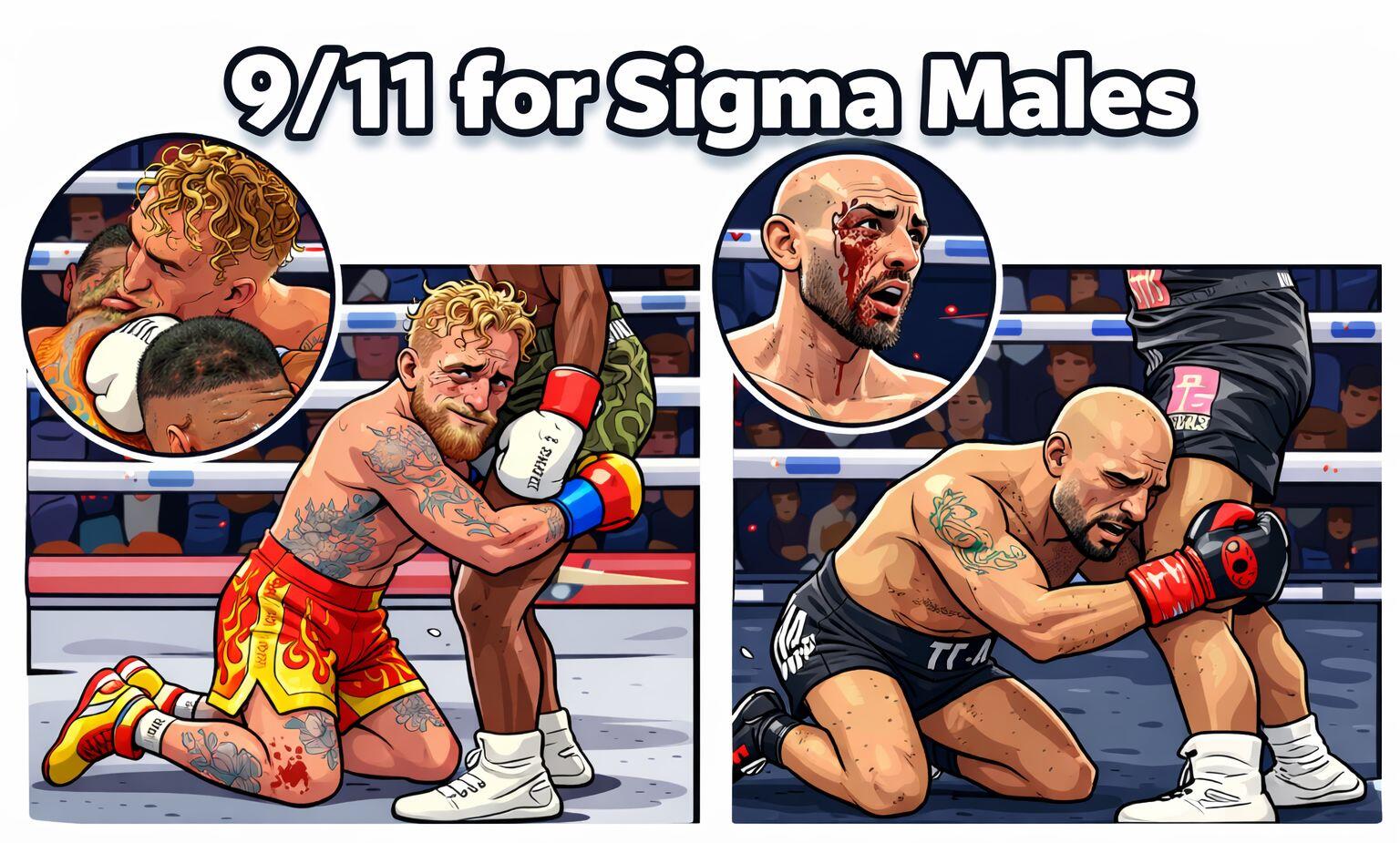

In an event already being described, without irony, as the 9/11 of sigma male culture, Andrew Tate and Jake Paul recently had their a**** handed to them in a boxing ring by actual professional fighters. This raises a more interesting question. Not why the internet remains fascinated by Tate or Paul, but why ordinary people continue to underestimate how hostile the upper atmosphere of professional sport really is.
We all do it. We watch Rocky or Creed while jogging at a comfortable pace and briefly convince ourselves that, with the right playlist and enough discipline, we could hang with someone who does this for a living. Reality, however, does not believe in training montages.
Take Bill Ackman.
The billionaire hedge fund manager assumed he would enjoy a gentle hit at the Hall of Fame Open, sharing a court with former doubles champion Jack Sock. Instead, he could barely touch the ball. Not because he lacked intelligence, competitiveness, or confidence, but because elite sport has no interest in your résumé. It only cares about what happens after the whistle.
A layperson stepping into the ring with a trained boxer is like walking into a Formula 1 garage with a learner’s licence and a motivational quote about grit. You can be earnest. You can be rich. You can even be athletic. You are still going to get cooked by people whose bodies and nervous systems have been rewired for a very specific kind of misery.
The cleanest illustration of this gap remains Brian Scalabrine. Long mocked as the “worst NBA player of all time”, Scalabrine once explained that merely surviving at that level requires access to a dark place. Not drama. Not ego. Something colder. A switch.
When that switch flips, the difference is brutal. Scalabrine famously dismantled confident amateurs and former college players who believed proximity to basketball culture meant proximity to NBA ability. It did not.
Professional wrestling makes this gulf even clearer. Wrestling may be scripted and theatrical, but the physical demands are real and the conditioning unforgiving. Crossover experiments reveal the truth quickly.
Jake Paul, for all the scepticism surrounding influencer boxing, has at least taken the craft seriously. He trains full-time and respects preparation. Even so, when matched against a professional boxer, the ceiling arrives swiftly and without mercy.
All professional athletes carry this internal switch. When competition begins, something sharpens. Most of us, meanwhile, would unravel if half a million people watched us perform under pressure.
Which is why fans should hesitate before imagining they could “hold their own” against elite professionals. Watching greatness is not the same as functioning inside it.
Franklin D Roosevelt captured this perfectly: The credit belongs to the one in the arena, daring greatly.
The arena is not just a place. It is a filter. It strips away confidence, excuses, and mythology. Influencers step into rings believing belief itself is transferable. Professional sport exists to remind them it is not.
The Odyssey for Beginners
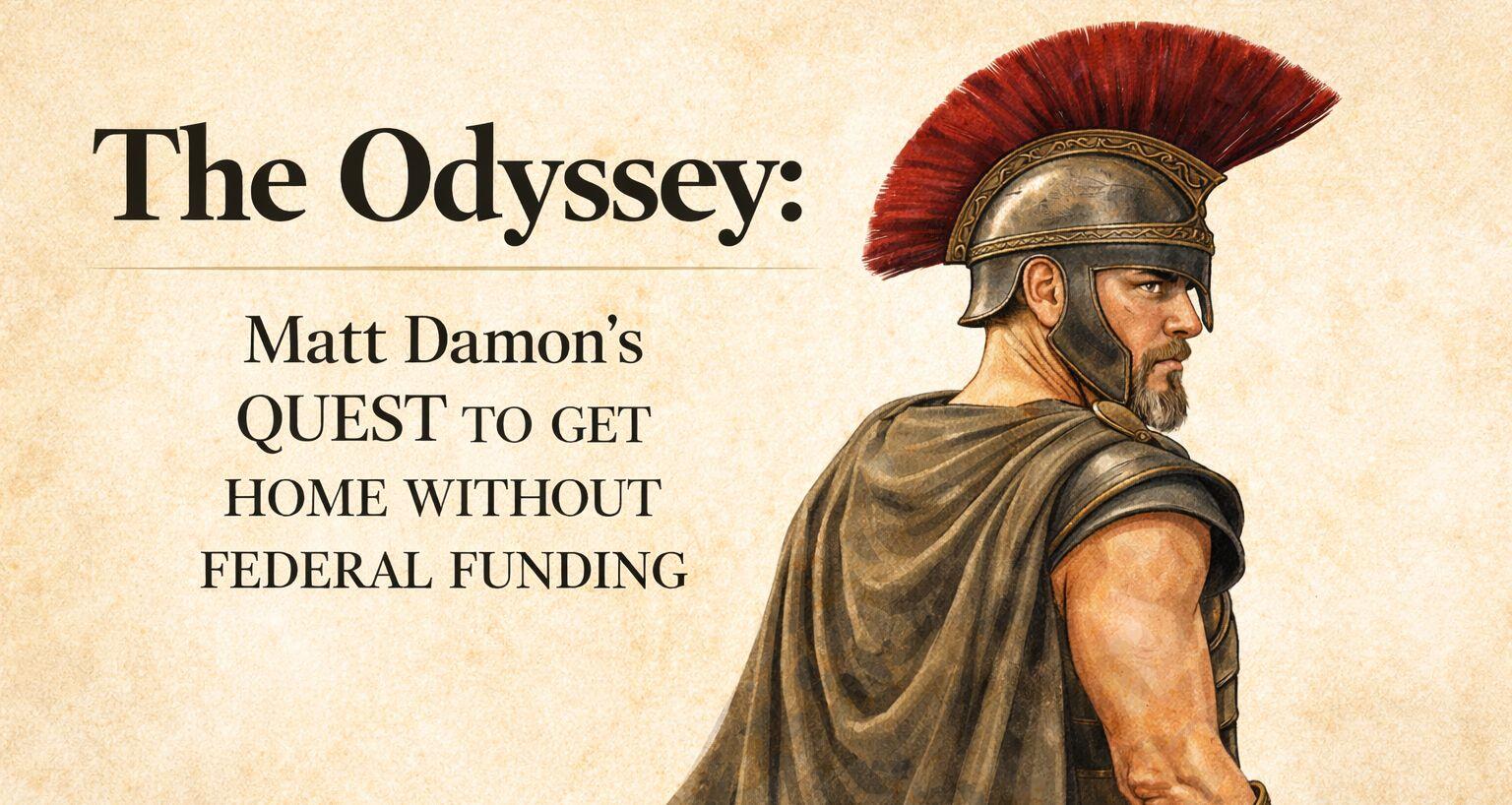

There’s some Inception-level meta stuff going on in Christopher Nolan’s The Odyssey, whose trailer dropped yesterday. For one, it feels like a sequel in a proud Hollywood tradition: getting Matt Damon home (Saving Private Ryan, The Martian, Interstellar). At this point, Damon doesn’t star in films so much as undertake federally funded return missions. But this time he faces his biggest challenge: getting home without federal funding.
It is also, more importantly, a sequel to the greatest story ever told in Western civilisation: The Iliad. A few years ago at the Jaipur Literature Festival, Yann Martel, the author of Life of Pi, made a neat civilisational comparison. Just as Indic civilisation rests on the Ramayana and the Mahabharata, Western civilisation rests on The Iliad and The Odyssey. One tells you how wars begin. The other tells you how badly things go once the war ends.
Sadly, I realised recently while talking to Gen Z colleagues that Odysseus’ long journey home barely registers anymore. Troy, yes. That’s remembered. Mostly because of Brad Pitt’s abs. Odysseus himself is a blur, vaguely recalled as a clever Greek with a beard, briefly played by a head-on-his-shoulders Sean Bean in Troy. The man who actually won the war and then spent a decade paying for it has somehow become a footnote.
This time, it’s Matt Damon assaying the role. After the long Trojan War, which began because Helen had an elite face card, Odysseus must find his way back to Ithaca, his wife Penelope (Anne Hathaway), and his son Telemachus (Tom Holland, who already has his own homecoming trilogy in the Marvel Cinematic Universe).
What many people forget is that The Odyssey is not a war story at all. That honour belongs to The Iliad, which is about rage, honour, gods playing chess with human lives, and young men dying beautifully while looking excellent in bronze armour. The Odyssey begins once all that testosterone has burned itself out. Troy has fallen. The war is done. Everyone should be going home. And yet, for Odysseus, the real suffering begins only after the credits should have rolled.
Odysseus is not the strongest Greek. Achilles handled that. He is not the prettiest either. Paris cornered that market, with catastrophic consequences. Odysseus’ defining trait is intelligence, which Greek mythology treats the way modern offices treat “initiative”: praised in theory, punished in practice. He wins the war using the Trojan Horse, immediately annoys the gods, blinds a Cyclops on the way out, and earns Poseidon’s eternal resentment. What follows is a ten-year, god-curated Mediterranean punishment tour designed to teach him humility. It does not succeed.
On his way home, Odysseus loses most of his crew to monsters, temptation, bad decisions, and divine trolling. He outwits a Cyclops, survives the Sirens by literally tying himself to a mast like a man aware of his own poor impulse control, squeezes past two sentient disasters called Scylla and Charybdis, and then spends years stranded with Calypso, who offers immortality, pleasure, and zero responsibilities. Odysseus turns it down. Not because it’s a bad deal, but because even paradise becomes irritating when it isn’t home.
Meanwhile, back in Ithaca, things are quietly collapsing. Suitors move into Odysseus’ palace, eat his food, drink his wine, and aggressively hint that Penelope should move on already. Penelope survives through intelligence and delay tactics that would impress any modern bureaucracy, while Telemachus grows up unsure whether his father is a hero, a myth, or simply terrible with directions. The Odyssey understands something fundamental: absence is not neutral. It erodes families slowly.
When Odysseus finally returns, he does not announce himself. He disguises himself as a beggar, audits everyone like a paranoid HR consultant, and then murders the suitors in one of the most violent home clean-ups in Western literature. It’s dark, excessive, and entirely on brand. Restoration, in Greek myth, is never subtle.
Which is why Christopher Nolan making this makes perfect sense. His films obsess over time, guilt, fractured identity, and the trauma of returning to a life that has quietly moved on without you.
And once again, Matt Damon is trying to get home. Some cinematic destinies, like ancient epics, are unavoidable. But this time, he must do it without federal funding.
How Dhurandhar brought back an old classic by Prasad Sanyal
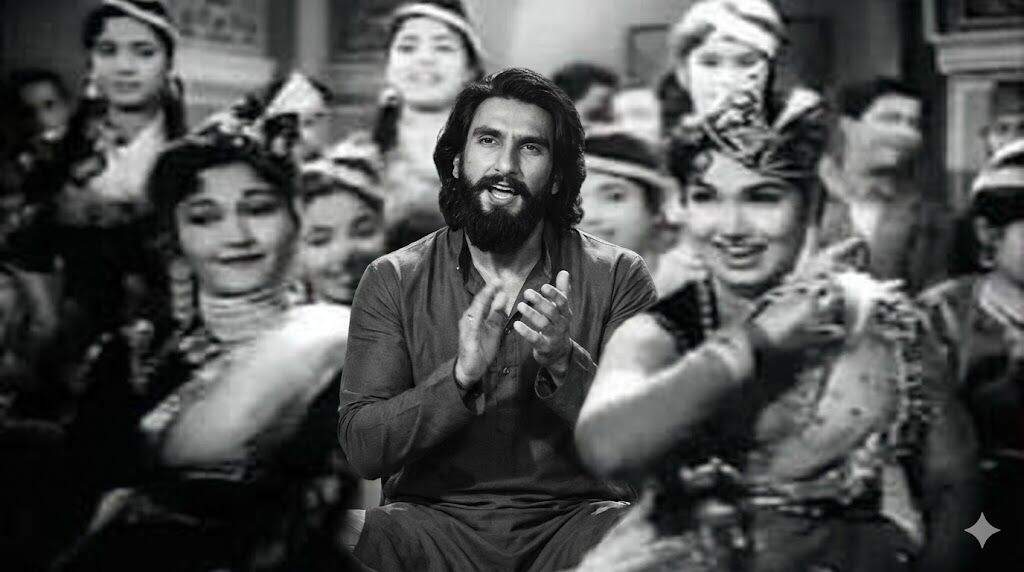

It is tempting, and deeply fashionable, to imagine the present generation as one that lives only on surfaces. Hooks without histories. Remixes without memory. A culture that borrows lines and forgets where they came from.
The road to Barsaat Ki Raat in 2025 does not begin with liner notes or late-night radio programmes. It begins, improbably, with speed and spectacle in Dhurandhar. A familiar line, sharpened by a new arrangement, placed against motion and the restless energy of Ranveer Singh. The qawwali does not return as a museum piece. It arrives with force.
Read: Na to Karvan Ki Talash Hai…
Merry Christmas from MeowCorp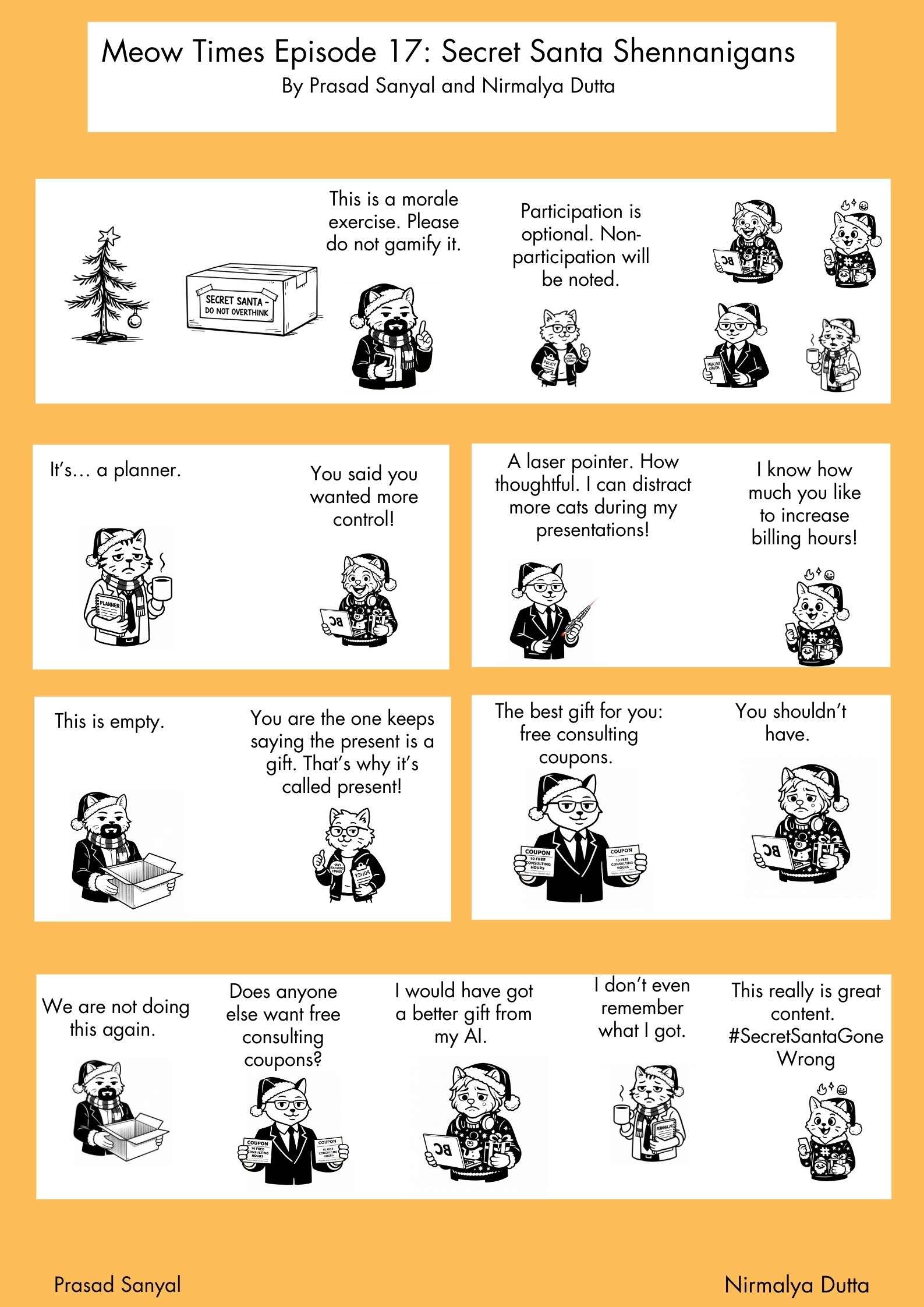

Disclaimer
Views expressed above are the author’s own.
END OF ARTICLE