

Expired meds: Safe longer than you think? ICU pharmacist reveals the truth
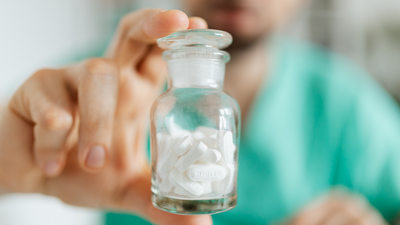
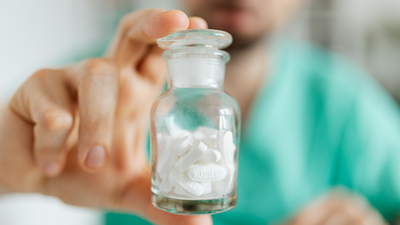
Ever wondered if that dusty bottle of pain relievers in your medicine cabinet is still safe-to-pop? People often discard medications the moment they reach their expiration date, but solid science shows that many hold onto them far longer. ICU pharmacist Jared Stockwell breaks it down: those dates aren’t always the final word on a drug’s life.
How expiration dates come about

Back in 1979, the FDA stepped in and made drug makers slap expiration dates on everything. These labels come from the company’s own stability tests, marking when they guarantee full strength—not when the drug suddenly turns useless. Stored right in a cool, dry spot away from light and humidity, plenty of meds keep working well past that stamp.
Key takeaways
The FDA teamed up with the Department of Defense in 1986 for the Shelf Life Extension Program, or SLEP, to check if stockpiles needed dumping post-expiry. After testing hundreds of lots over decades, results stunned: 88% stayed potent for an average 66 months—over five years—beyond their dates. In ideal conditions, some chugged along 10 to 15 years strong, proving storage trumps the calendar for many drugs.
Everyday meds that last
Solid tablets shine here. Think painkillers like ibuprofen or acetaminophen, allergy fighters such as antihistamines, and basic over-the-counter staples. They often retain full power for years if kept sealed and stable. Jared Stockwell notes these hold up especially well because they’re less prone to breaking down compared to liquids or injectables.
Ones to toss without hesitation
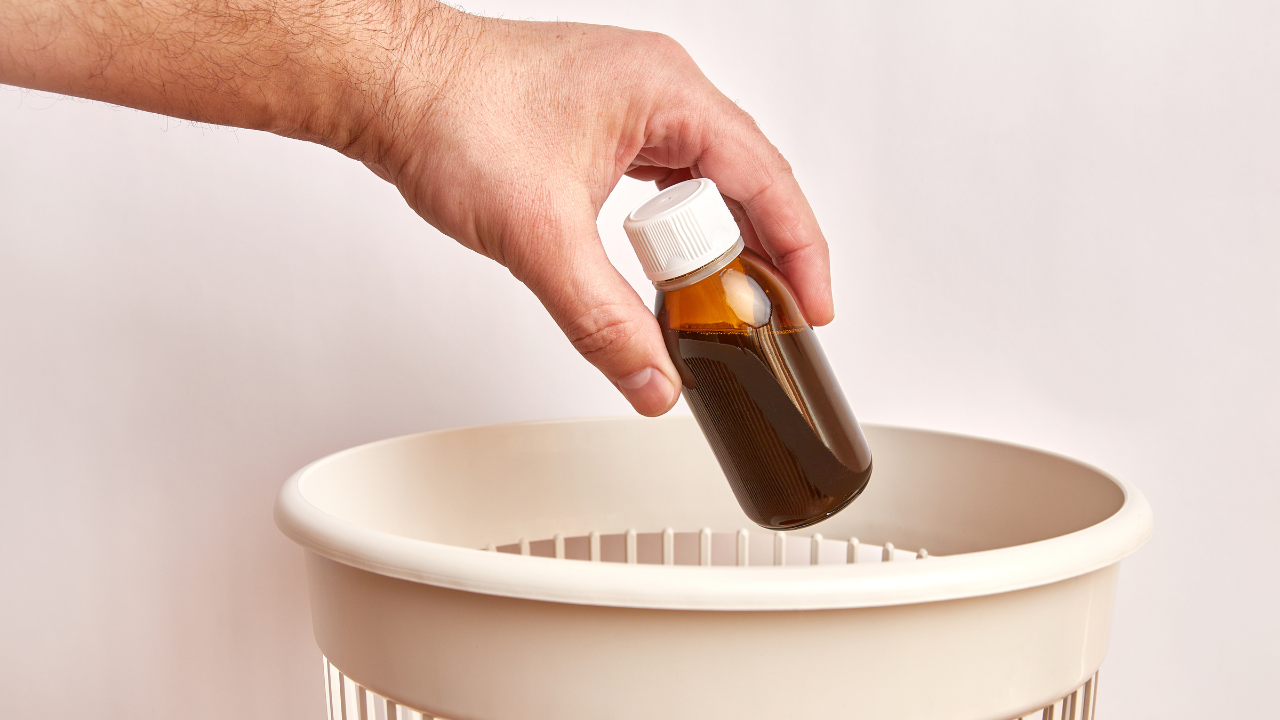
Not everything gets a pass, though. Insulin fades fast, messing with blood sugar control in diabetics. EpiPens and other epinephrine auto-injectors might underdeliver in a life-or-death allergy attack. Heart meds like nitroglycerin lose steam quickly, while liquid antibiotics can breed bacteria or go flat, turning a simple infection risky. Avoid old tetracycline too—it can even turn toxic and harm kidneys.
Smart ways to handle
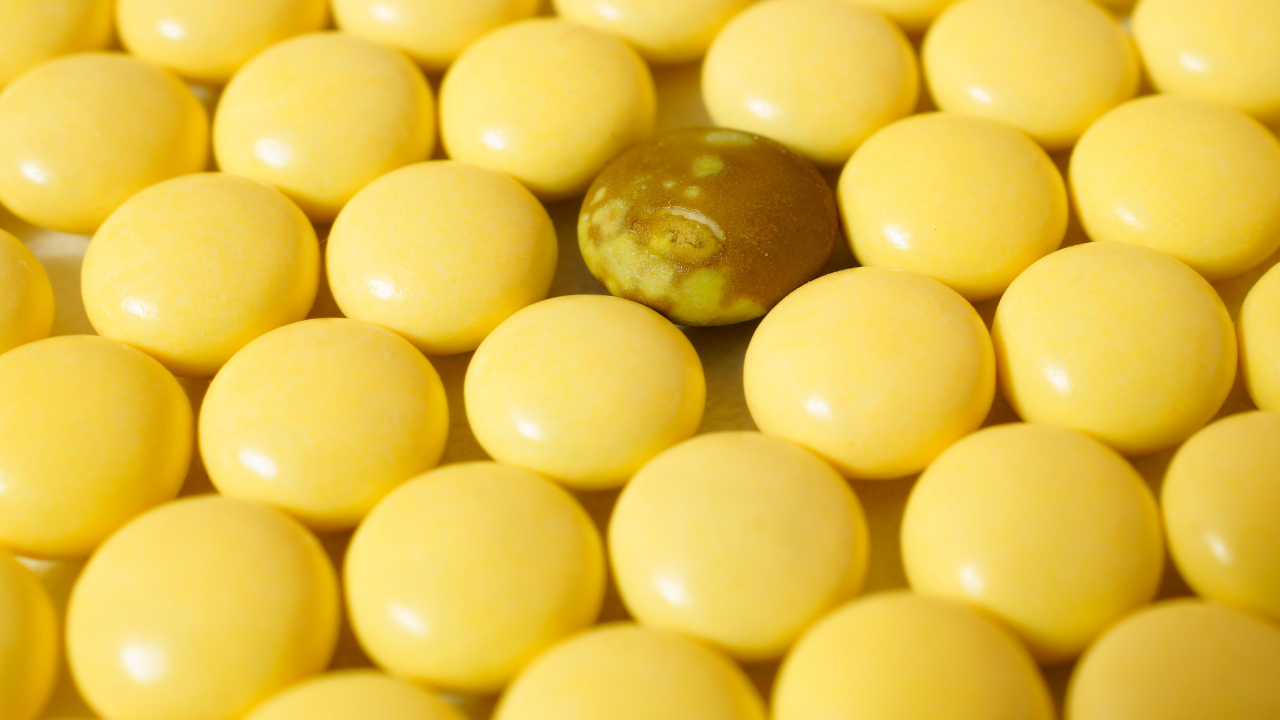
If a tablet bottle expired months or a couple years back and looks fine—no weird colors, smells, or clumps—it’s likely good for non-emergency use. Proper storage makes all the difference. But for critical stuff or anything iffy, play it safe: swap it out fresh. Chat with a pharmacist like Jared Stockwell or your doctor for the green light on specifics—they know your situation best.Ditching every expired pill wastes cash and good medicine, but skipping the bad ones saves lives. Organize that cabinet, store smart, and check in with pros. Your family’s health deserves that extra step.