
Explained: The hidden connection between bloating and shoulder pain


Gas that suddenly shows up as shoulder pain can feel confusing and even a little scary, especially when it hits after a meal or a procedure. Head and neck specialist Dr Joe Damiani explains that this strange connection has a clear anatomical basis involving the diaphragm, the phrenic nerve, and the cervical spine. Understanding that—link can make the symptom feel less alarming and help you know when it is likely harmless and when it needs medical attention.
What actually happens inside your body
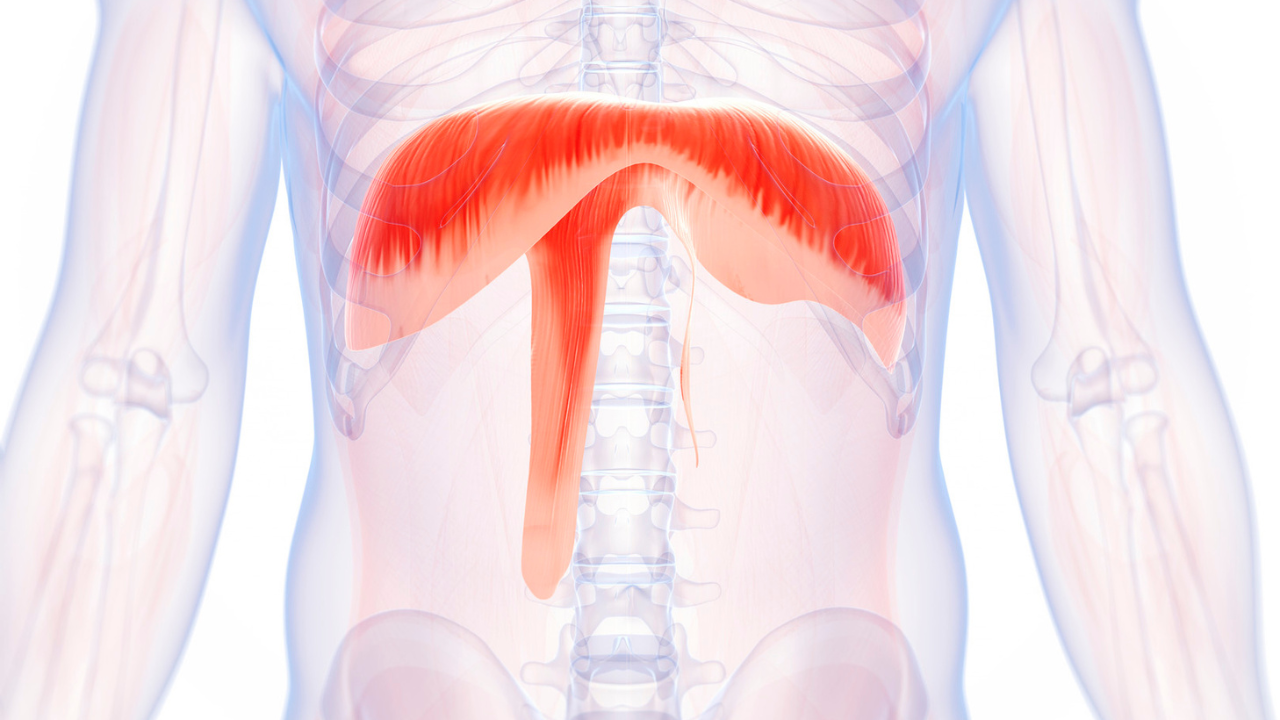
The diaphragm is a large, dome shaped muscle that sits just under the lungs and separates the chest from the abdomen. It is the main muscle that helps you breathe by moving up and down with every breath you take.When there is a build up of gas in the stomach or intestines, that pressure can push upward on nearby structures, including the diaphragm. This can happen after heavy meals, digestive upset—constipation—or abdominal and pelvic surgeries where gas is used to gently inflate the abdomen so the surgeon can see and work clearly.
How the phrenic nerve links gas to your shoulder

According to Dr Joe Damiani, the phrenic nerve is the key messenger between your brain and your diaphragm. It carries signals that tell the diaphragm to contract and relax—and it also sends sensory information, including pain, back up to the spinal cord and brain.This nerve arises mainly from the spinal nerve roots at C3, C4, and C5 in the neck, an area that also supplies sensation to parts of the shoulder and upper trapezius region. Because these regions share similar nerve pathways, irritation of the diaphragm can send “confused” pain signals that the brain interprets as coming from the shoulder rather than from the upper abdomen.
Why gas pain can feel like shoulder pain

When gas stretches the abdomen and irritates the diaphragm, the sensory fibers of the phrenic nerve are triggered. Those signals travel up through the cervical spine at C3 to C5 and land in spinal segments that also receive input from the shoulder area.The result is referred pain, which means you feel discomfort in one place while the true source is somewhere else. Many people describe a dull ache or a sharp twinge at the tip of the shoulder or around the shoulder blade, even though the irritation actually began in the diaphragm or upper abdominal region.
Everyday situations where this shows up
Several common scenarios can set off this pattern of pain that Dr Damiani often highlights in his education content.After laparoscopic or robotic surgery, carbon dioxide gas is used to inflate the abdomen, and some of this gas can remain trapped and irritate the diaphragm, which then shows up as shoulder tip pain for a short time.Digestive problems that cause significant bloating or trapped gas, such as irritable bowel syndrome or slow gut motility, can stretch the intestines and push up against the diaphragm, sometimes sending pain that the body feels near the shoulder blade.Conditions like gallbladder disease, liver irritation, or infections beneath the diaphragm can also create referred pain to the shoulder through the same phrenic nerve pathway, which is why persistent or severe shoulder pain should not be ignored.
What you can do and when to seek help
In many cases, gas-related shoulder pain is temporary and eases as the gas moves through the digestive system or is absorbed by the body. Gentle walking, changing positions, using heat on the abdomen if appropriate, and practicing relaxed, comfortable breathing can all help reduce pressure on the diaphragm and calm the discomfort, especially after surgery when guided by your medical team’s instructions.Dr Joe Damiani also reminds people not to label every shoulder symptom as “just gas,” because serious conditions can mimic the same pattern. Sudden, intense, or persistent shoulder pain, especially if it comes with chest pain, trouble breathing, fever, dizziness, or marked abdominal tenderness, should prompt urgent medical evaluation to rule out heart, lung, or abdominal emergenciesKnowing that the diaphragm, phrenic nerve, cervical spine, and shoulder are all connected helps make sense of why a bloated belly can send pain signals to what seems like a completely different part of the body. With clear explanations from experts like head and neck specialist Dr Joe Damiani, people can better recognise referred pain, care for routine gas related discomfort, and seek timely help when the symptoms signal something more serious.