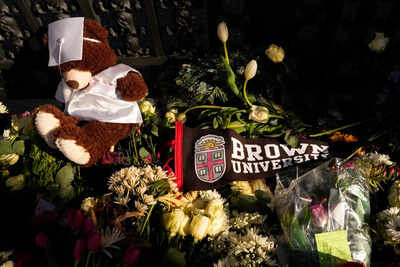

Brown University shooting incident: What new student security measures are US colleges taking?


The deadly shooting at Brown University in Providence, Rhode Island on December 13, 2025, which left two students dead and nine others wounded during an afternoon study session, has triggered renewed scrutiny and action on campus safety across American universities. As reported by Reuters, the shooting occurred during finals week, intensifying concerns about student safety on college campuses. Universities are reassessing safety protocols to better protect students from future acts of violence. Here’s a look at the security measures being implemented across the U.S.
Enhanced patrols and visible security presence
In response to the Brown shooting, many universities increased police visibility and campus patrols. As per The Harvard Crimson, the Harvard University Police Department announced stepped-up patrols “out of an abundance of caution,” even though there was no immediate threat to its campus, which is about an hour’s drive from Brown.Other institutions, including Columbia University, publicly pledged additional security checks and collaboration with local law enforcement, signaling precautionary measures nationwide. According to WBUR, these heightened patrols aim both to deter threats and reassure communities shaken by the Providence incident.
Controlled access and building security
Following the shooting, universities are strengthening physical building security. As reported by WBUR, students at Brown noted that some older lecture halls lacked sufficient surveillance cameras or secure entry systems, which may have allowed the shooter to move through the building undetected. According to Yale Daily News, Yale University enforced restricted ID access to several buildings and gate entrances and increased monitoring during the winter exam period. This included measures such as requiring students and staff to use institutional ID cards for entry into academic and residential buildings.
Emergency communication systems
The Brown shooting highlighted the importance of efficient emergency alerts. As reported by WBUR, some local residents did not receive timely notifications due to a web-based alert system requiring prior registration, unlike the standard mobile alert apps previously in use.According to NBC Boston, Brown students received active-shooter alerts and shelter-in-place instructions, but uncertainties about timing and clarity highlighted gaps in emergency communications. Many universities are now implementing multi-platform alert systems combining texts, emails, and app notifications to ensure rapid dissemination of critical instructions.
Active-shooter training and preparedness
Universities are also emphasising training and preparedness:
- According to The Harvard Crimson, campuses have increased active-shooter drills and response training for police, security staff, and community volunteers, covering lockdowns, evacuation routes, and communication with local authorities.
- Orientation programs now include safety protocol training for students, while faculty refresher sessions ensure staff are equipped to guide students in emergencies.
Mental health support and community healing
Universities are expanding psychological support for students affected by trauma, including additional counseling services and support groups. Vigils and remembrance events are also being organized to help students process grief and rebuild a sense of community. According to The Harvard Crimson, such gatherings provide a forum for reflection and reassurance in the aftermath of campus tragedies.
Student advocacy and policy reform
Students are actively calling for improved campus safety. As reported by WBUR, Brown students circulated petitions demanding enhanced surveillance, better building access control, and stronger coordination with local law enforcement.Across other universities, student groups are also lobbying for structural security measures, reflecting a growing demand for participatory policy-making in safety protocols.
Long-term planning and security audits
Universities are engaging in strategic reviews of campus security. According to Reuters, some institutions are commissioning audits with external consultants to identify vulnerabilities exposed by the Brown shooting and recommend upgrades in surveillance, infrastructure, and emergency preparedness.Collaboration between universities to share best practices and threat intelligence is also increasing, reflecting a broader shift from reactive to proactive safety management.
The takeaway
The Brown University shooting has catalyzed widespread security measures across U.S. campuses. Universities are reinforcing physical security, refining emergency alerts, expanding preparedness training, and strengthening mental health support for students. As reported by NBC Boston, student advocacy is influencing these policies, signaling a more participatory approach to campus safety. The tragedy underscores that modern campus safety involves both robust physical protections and strong support systems, a lesson that U.S. universities are actively integrating into long-term security planning.