
Ivy League early admissions: Harvard, Yale and Dartmouth release first offers for Class of 2030
As the early admissions season unfolds across Ivy League institutions, Harvard College, Yale College, and Dartmouth College have each released key updates on offers for the incoming Class of 2030. The early rounds showcase not only the enduring competitiveness of elite college admissions but also differing approaches to transparency and admissions communication among these storied universities.
Harvard ’s early action results and student reactions
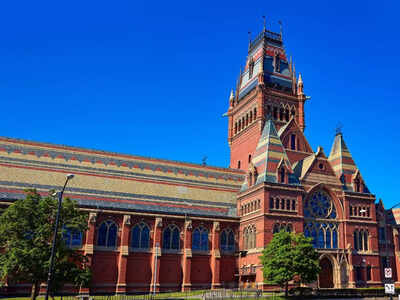
Harvard College began the early action release for the Class of 2030 this December, welcoming a new cohort of students while continuing a recent policy of withholding key admissions data, including acceptance rates and demographic breakdowns, until later reporting periods. According to reporting by The Harvard Crimson, this marks the second consecutive year that Harvard opted not to publicly share such figures at the time of decision announcements.
In a notable procedural change, Harvard also sent out a preliminary wave of admissions offers to students through QuestBridge, a program aimed at connecting high-achieving, low-income students with elite colleges — a first for the College.The Crimson’s coverage also highlighted the emotional responses of admitted students. Many expressed joy and disbelief on learning their outcomes via the college’s applicant portal, with one student recounting how she screamed with excitement upon seeing the confetti animation and another describing initial confusion before realising the offer was genuine.Harvard’s early action release occurs amid external scrutiny of the institution’s admissions practices, including legal and political pressures at the national level. The College implemented changes to its interview report processes this cycle, instructing alumni interviewers to avoid mentioning applicants’ race or ethnicity to align with evolving regulatory and legal expectations.
Yale’s early action statistics: competitive yet stable
Across the Northeast, Yale College publicly shared its early action admissions statistics, offering one of the most transparent snapshots among its Ivy peers this cycle. According to Yale Daily News, 779 students were admitted to the Class of 2030 through Yale’s Single Choice Early Action (SCEA) program, resulting in an acceptance rate of approximately 10.9 percent — a figure reportedly similar to last year’s early action rate.This consistency in Yale’s early action rate suggests a continued calibration of selectivity despite increasing application volumes observed in recent years. Early action at Yale remains non-binding, allowing admitted students until May 1 to decide whether to matriculate.Yale’s early action results are part of its broader admissions engagement strategy, which includes maintaining a holistic review process and emphasising access. While precise figures on the total number of early applicants were not provided in the Daily News blog post, independent reporting suggests that Ivy League schools like Yale have experienced high early applicant numbers in recent cycles.
Dartmouth’s early decision offers and profile highlights
Meanwhile, Dartmouth College has also extended early decision offers to members of its Class of 2030, though the institution — like Harvard — withheld the number of applicants and the acceptance rate until the regular decision cycle concludes in March. The Dartmouth reported that the college made this choice to avoid discouraging prospective regular decision applicants from completing their applications based on early round statistics.Despite the lack of published acceptance data, Dartmouth released details about the academic strength and socioeconomic makeup of its early admits. According to college reporting referenced by The Dartmouth, approximately 20 percent of those admitted through early decision come from low-income backgrounds, and more than $22 million in need-based scholarships have already been offered to these students.The early cohort also reflects strong academic credentials: 93 percent of early admits who submitted standardized test scores (SAT or ACT) ranked in the top 25 percent of their high school classes, and 98 percent were in the top 10 percent overall. Notably, Dartmouth reinstated its standardized testing requirements this cycle after a period of test-optional admissions.
Comparative insights and trends
These early admissions announcements underscore several broader trends among Ivy League institutions ahead of the Class of 2030:
- Transparency Differences: Yale’s publication of early action acceptance data contrasts with Harvard’s and Dartmouth’s decisions to delay the release of key statistics. This variation influences how applicants, counsellors, and the public assess selectivity and competitiveness at each school.
- Access and Diversity Signals: Dartmouth’s disclosure of socioeconomic data for early admits highlights institutional emphasis on financial access, while Harvard’s use of QuestBridge indicates shared priorities across the Ivies to recruit talented students from a range of backgrounds.
- Student Experience and Reactions: Coverage from The Harvard Crimson illustrates the emotional dimension of early decision season, as students celebrate or process offers from some of the world’s most selective colleges and universities.
As regular decision rounds approach in January and February, further data and narrative context will emerge, shaping understanding of how the Class of 2030 is being constructed across these elite institutions.