
The largest World Cup ever, and its youngest dreamers
Between the summers of 1990 and 1994, two moments entered football’s consciousness, and have never left it. It’s been three decades, and yet, Roger Milla’s swivelling hips and Roberto Baggio’s hunched shoulders make it to every FIFA Men’s World Cup promo and trailer — two shades of what a World Cup means.
At Pasadena in ‘94, Baggio was football royalty. ‘The Divine Ponytail’, they called him. He carried that weight to the decisive penalty in the final. The most gifted right foot in the world missed its target from 12 yards, and Brazil won the World Cup. And the throughline of Roberto Baggio’s football career was written in permanent ink.

Four years earlier, Cameroon were relative newcomers, on just their second trip to football’s biggest party. They first beat the defending champions — Diego Maradona’s Argentina. Then they beat Romania. Roger Milla scored both goals. He celebrated by running to the corner flag and shimmying around it, briefly turning the game and the tournament into a buzzing nightclub.
Baggio speaks to what we revere in football — the supremacy of skill, the tragedy when greatness collides with thin air. Milla speaks to something different, something we thirst for without always admitting it: the idea that football belongs to everyone, even those the world had almost forgotten.
This tension between these two moments, between the tragedy of the elite and the ecstasy of the unexpected, is why we give a month of our lives to this thing.
The 2026 FIFA Men’s World Cup that begins on June 11 will be the largest ever held. Forty-eight teams now, up from thirty-two. Matches will be played across the US, Canada, and Mexico. The tournament will consume the landscape like nothing before it, and in that expansion lies the side effects of FIFA chasing every possible dollar: more nations get the invitation; more dreamers get their moment.
Consider Haiti. The national team haven’t played at home in four years. The Haitian football coach, a Frenchman named Sébastien Migné, has never even visited the country. Today, Haiti’s capital Port-au-Prince belongs to whoever carries the biggest gun. Armed groups control about 85% of the city. Between late 2024 and mid-2025, gang violence claimed more than 4,800 Haitian lives, displaced more than a million. Half their population is facing acute food insecurity. They will be at the World Cup.
Or take Curaçao, the island that gave its name to a syrup. At the World Cup, its football team will represent a population of 150,000 — one-tenth of Manhattan. Cape Verde are going to the World Cup too. A volcanic archipelago off the West African coast hard to spot on a map, it held the record for the smallest nation to qualify for a World Cup before Curaçao snatched it.
The draw was never going to be kind to their kind. Haiti have been placed in a group with Brazil, Morocco, and Scotland. Curaçao are up against Germany, Ivory Coast, and Ecuador. How many games will they win? Well, take a guess. Ditto Jordan and Uzbekistan.
And yet, to fixate on the ‘wins’ column is to miss the point. While Brazil, Spain and France will arrive at the World Cup with the tightest tactical details, every move mapped to inches, Haiti, Curaçao and Cape Verde will play to have the time of their lives. There’s a freedom in that, a kind of recklessness that comes from having nothing to lose, when every passing moment is an impossible dream already realised. When you’re not burdened by gold, you’re liberated to play. To live.
That’s the spirit of a World Cup. The spirit that gave us Milla in 1990 and Tshabalala in 2010. The spirit of joy and celebration.
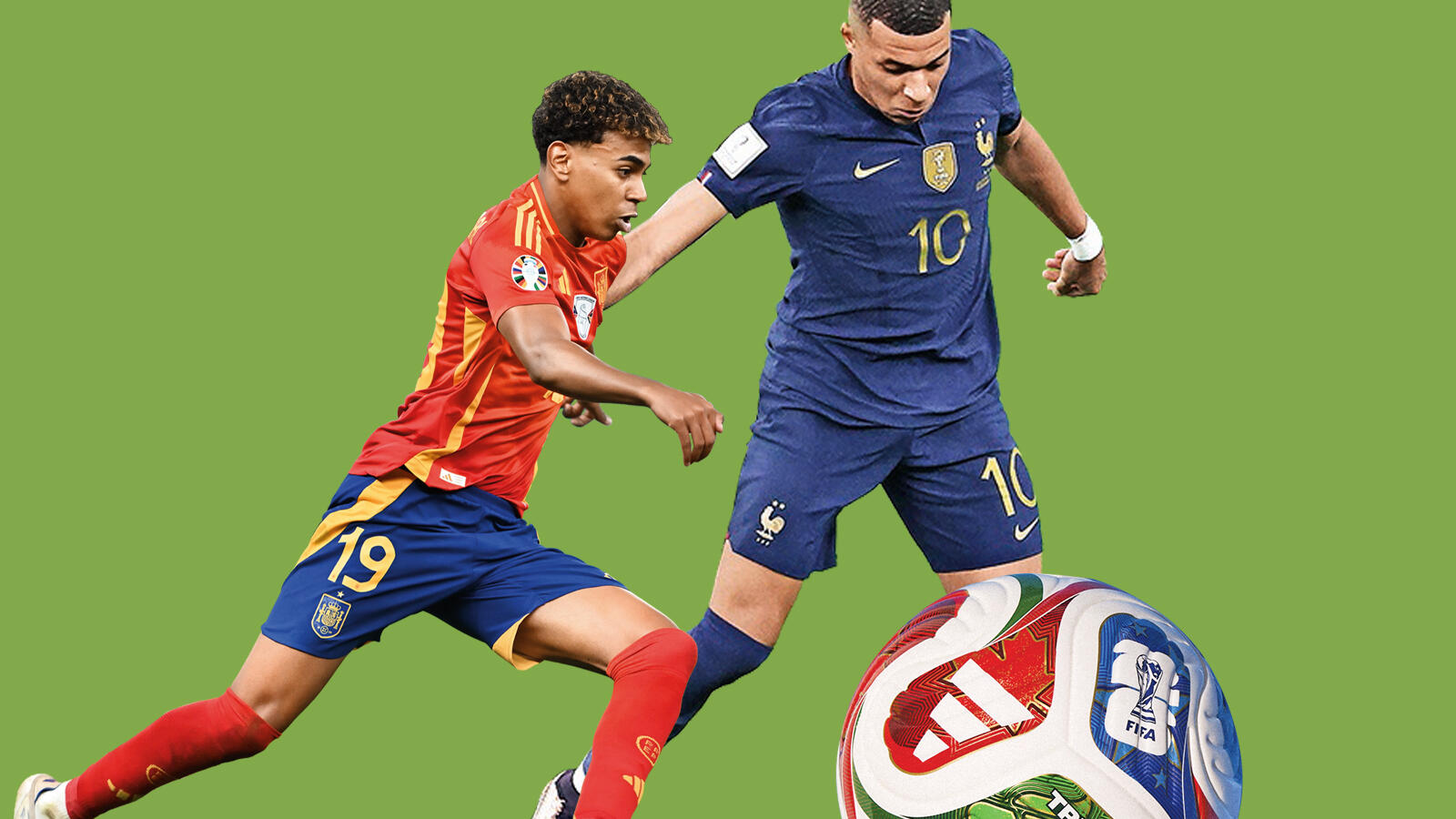
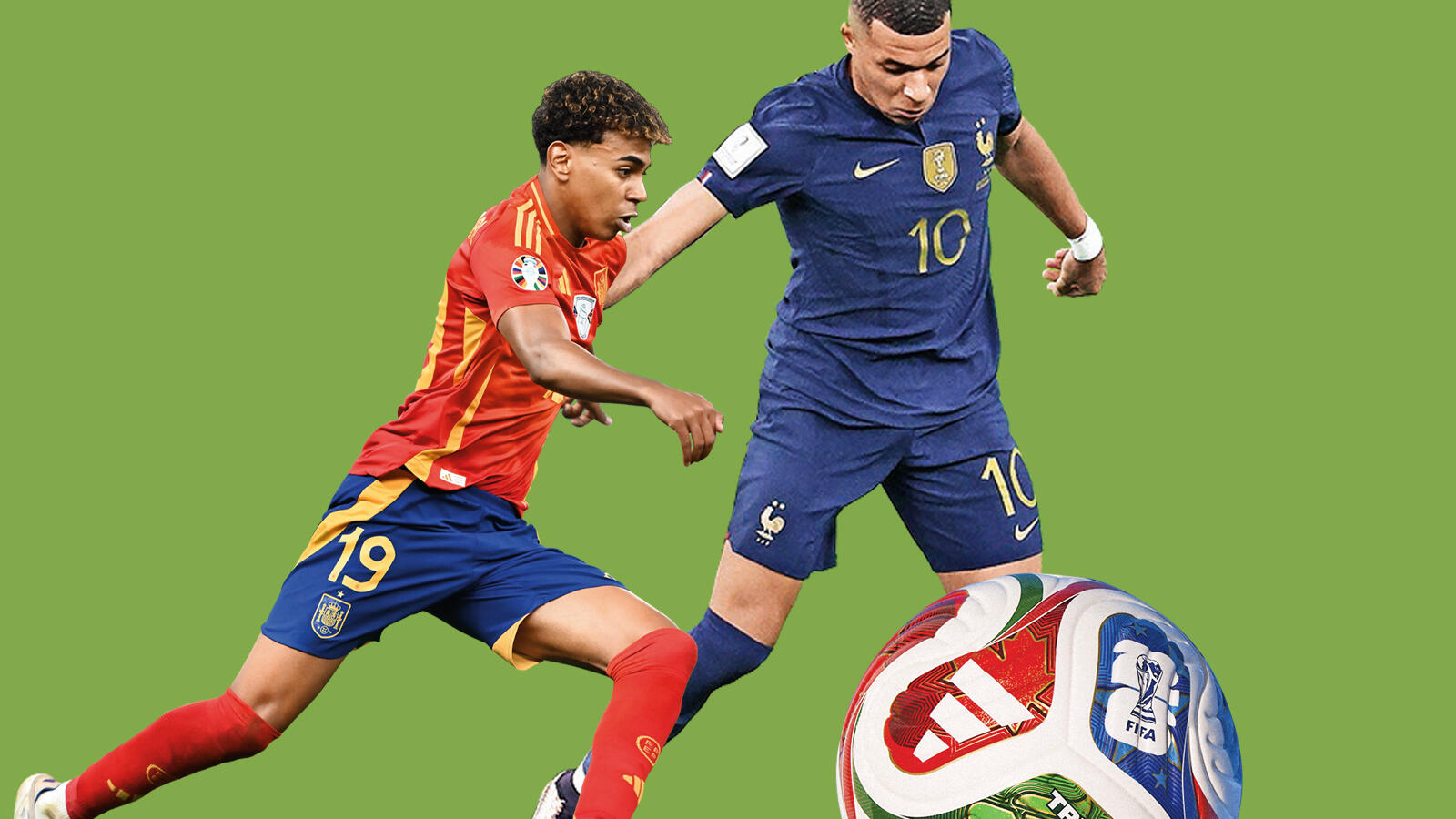
Make no mistake, the tournament will still be defined by greatness. Kylian Mbappé or someone like him will do something that only the very elite can do, an exhibition of skill that approaches the inexplicable. We’ll go back, as we always do, to the altar of high technique and elite performance.
But the 2026 World Cup will reinforce an old truth: sport burns brightest when the world is made to tilt differently. Results that no one saw coming, coaches making tactical decisions that make no sense but somehow work, nobodies becoming heroes overnight. Penalty shootouts in a stadium where tickets cost $1000, as a nation from another corner of the world watches through midnight’s inky darkness, holding its breath. Celebrations spilling out of drawing rooms into the streets, because for a couple of incandescent hours, eleven unknowns stood up against the tournament favourites.
A World Cup is a festival of the world’s most popular genre of music. It’s where the small get to stand next to the big, where Haiti can score a goal in the heart of the country they aren’t allowed to visit, where Morocco beat Spain and Portugal, where one man dances at a corner flag and gives the world a frame to remember forever.
Like Simon Kuper writes in his latest book, ‘World Cup Fever,’ World Cups don’t change the world, but they do illuminate it.
2026 Debutants
Curaçao – The smallest country ever by population (about 156,000) to qualify
Cape Verde – An archipelago of 10 islands off Africa’s west coast, drawing heavily from its diaspora
Jordan – Marking a milestone moment for West Asian football
Uzbekistan – Featuring breakout talents, including Manchester City defender Abdukodir Khusanov, the first Uzbek to play in the Premier League
Caption: Beyond stars like Lamine Yamal and Kylian Mbappé, WC has the power to elevate unknowns
Disclaimer
Views expressed above are the author’s own.
END OF ARTICLE