
How reactive parenting shapes a child’s behaviour, and how it can change |
[ad_1]
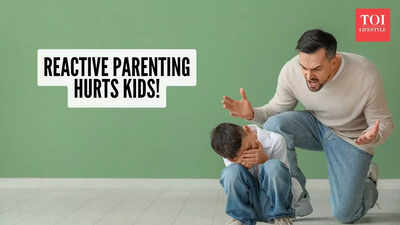
In many homes, parenting happens on the go. A spilled glass, a missed homework deadline, a sudden tantrum. The response comes fast and sharp. This is called reactive parenting. It means reacting to a child’s behaviour in the heat of the moment, driven by stress, fear, or anger, rather than calm thought. Over time, these quick reactions can quietly shape how a child thinks, feels, and behaves.
What reactive parenting really looks like
Reactive parenting is not about bad intentions. It shows up on long days, tired evenings, or during public meltdowns. A raised voice instead of a question. A punishment instead of a pause. A quick label like “naughty” or “difficult.” The child learns one thing clearly: emotions lead to explosions, not understanding. This pattern becomes familiar, even expected.
How children read these reactions
Children are keen observers. When reactions feel unpredictable, they start scanning for danger instead of learning lessons. Some children become anxious and overly careful. Others push limits more, expecting conflict anyway. Over time, behaviour turns into a shield. Acting out, shutting down, or lying can feel safer than being honest. The behaviour is not the problem. It is often the signal.
The impact on emotional growth
Reactive parenting can interrupt emotional learning. Children need help naming feelings and managing them. When adults react strongly, the message shifts from “feelings are okay” to “feelings cause trouble.” This can delay skills like self-control, empathy, and problem-solving. The child may struggle to calm down alone because calm was rarely modelled for them.
Can this pattern be reversed? Yes, with intention
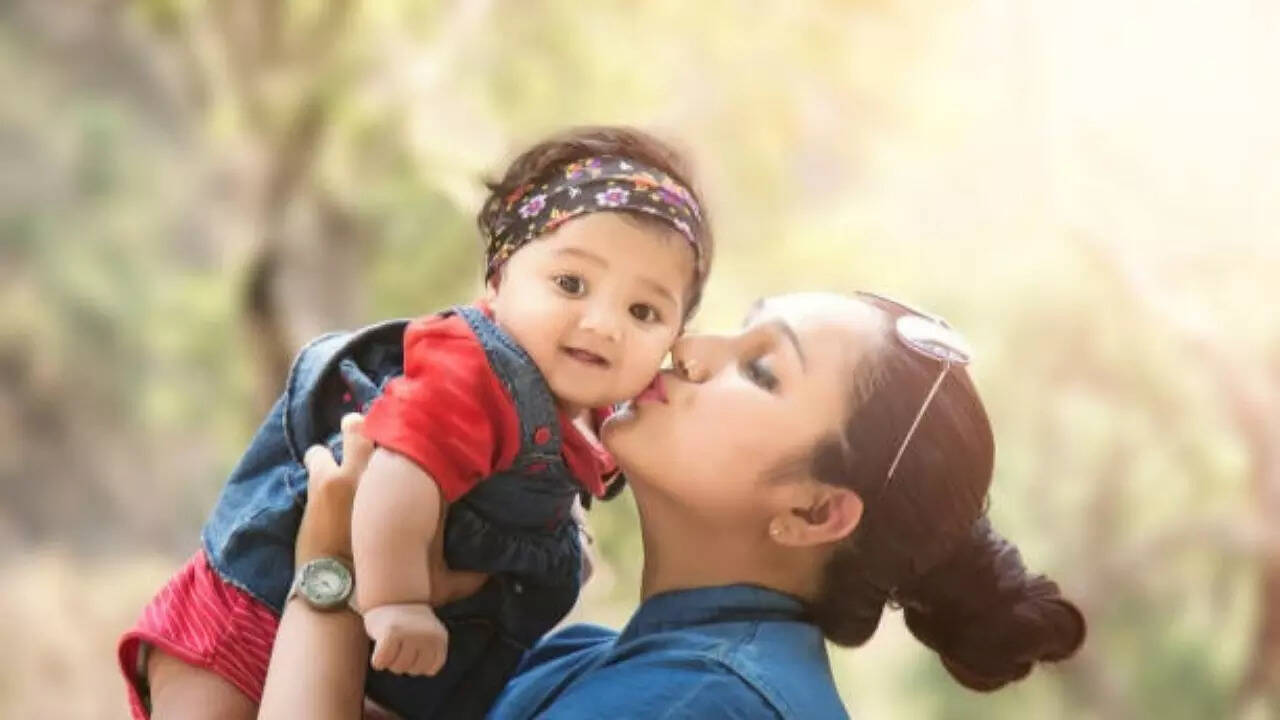
The effects of reactive parenting are not permanent. Brains, especially young ones, stay flexible. Change begins when responses slow down. Pausing before reacting teaches a powerful lesson. It shows that emotions can be handled without fear. Over time, consistent calm responses rebuild trust. The child starts feeling safer, and behaviour often softens as a result.
Small shifts that create big change
Reversal does not need perfect parenting. It needs awareness. Noticing triggers helps reduce knee-jerk reactions. Naming a child’s feeling before correcting behaviour builds connection. Repairing after a harsh moment matters more than avoiding mistakes. A simple apology shows accountability and teaches respect. These moments stay with children far longer than punishments do.
A more balanced path forward
When parents respond instead of react, children learn balance. They see that mistakes are chances to learn, not reasons to fear. Behaviour improves because the environment feels steady. Over time, children mirror the calm they experience. This shift does not erase challenges, but it changes how families move through them together.Disclaimer: This article is for general information only. It does not replace professional advice. Parents facing ongoing behavioural concerns should consult a qualified child psychologist or parenting expert for personalised guidance.
[ad_2]
Source link