

Leek vs green onion: Key differences every home cook should know |
[ad_1]
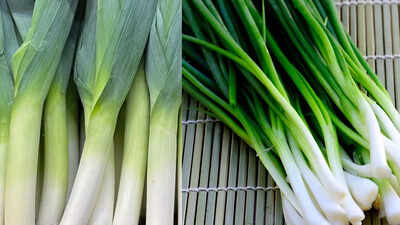
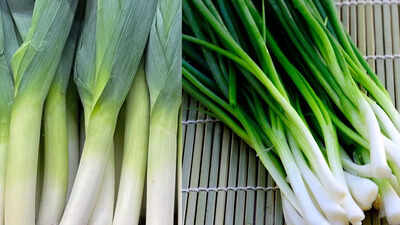
At first glance, leeks and green onions seem like the same thing. Long stems, green tops, pale bottoms. In the market or fridge, they look interchangeable, so most people treat them that way. Use whatever is lying around. The problem usually shows up only after the food is cooked. The soup tastes flatter than expected. The stir-fry feels too sharp. Something feels off, but it is hard to say why. That is because leeks and green onions behave very differently once heat is involved. They soften differently, release flavour at different speeds, and change texture in their own ways. Knowing which one to use is not about fancy cooking. It just makes everyday food taste more settled and intentional.
Difference between leek and green onion in flavour
The biggest difference between leek and green onion is how loudly they speak in a dish.Green onions announce themselves immediately. Even a small amount brings a fresh, sharp onion note. The white part has bite, the green part is milder but still noticeable. They cut through oil and salt and give food a lift.Leeks do the opposite. They are quiet. Raw leeks barely taste of much at all. But once cooked slowly, they turn soft and slightly sweet. They do not dominate a dish. They blend into it. That is why leeks work well in food that needs depth without sharpness.
How texture separates leeks from green onions
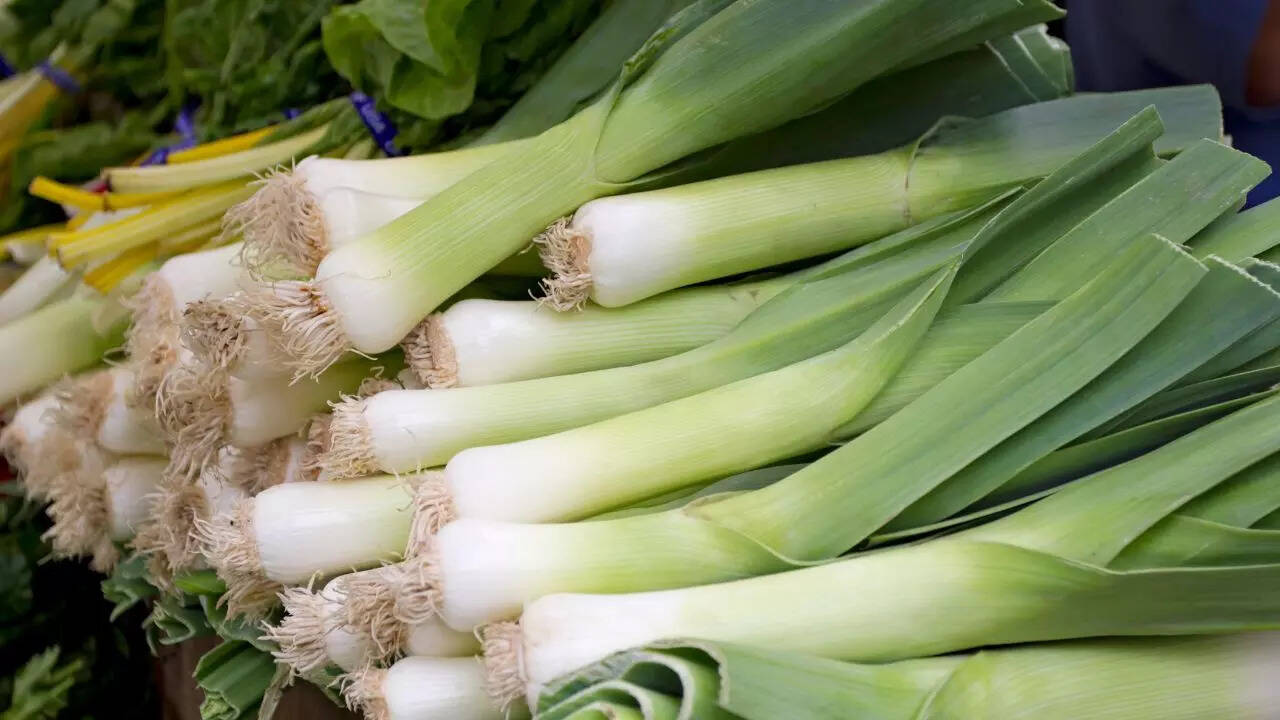
Green onions are tender almost all the way through. You slice them, and they are ready. They soften fast and lose structure quickly if cooked too long.Leeks are layered and dense. The white and pale green part has thickness, almost like an onion stretched out. When cooked gently, leeks collapse into softness. When rushed, they stay stringy and dull. Texture is where leeks demand patience.This difference alone decides where each belongs.
Raw use vs cooked use of leek and green onion
Green onions are comfortable being raw. They work in salads, chutneys, sandwiches, wraps, and as finishing touches. Even when cooked, they are usually added at the very end so they keep some freshness.Leeks are rarely meant to be eaten raw. Raw leeks taste fibrous and flat. They come alive only after cooking. Butter, oil, slow heat. That is when leeks become worth using.If a recipe expects raw crunch, green onion is the right choice. If it expects softness and body, leeks are.
Cooking time and heat matter more than people think
Green onions need very little heat. One or two minutes is enough. Past that point, they stop contributing anything useful.Leeks need time. Ten minutes, sometimes more. Low heat. Stirring gently. When cooked right, they turn almost creamy. When rushed, they stay chewy and boring.This is where many substitutions fail. Using green onions where leeks are needed makes dishes feel thin. Using leeks where green onions are needed makes food feel heavy or muted.
Cleaning and preparation differences
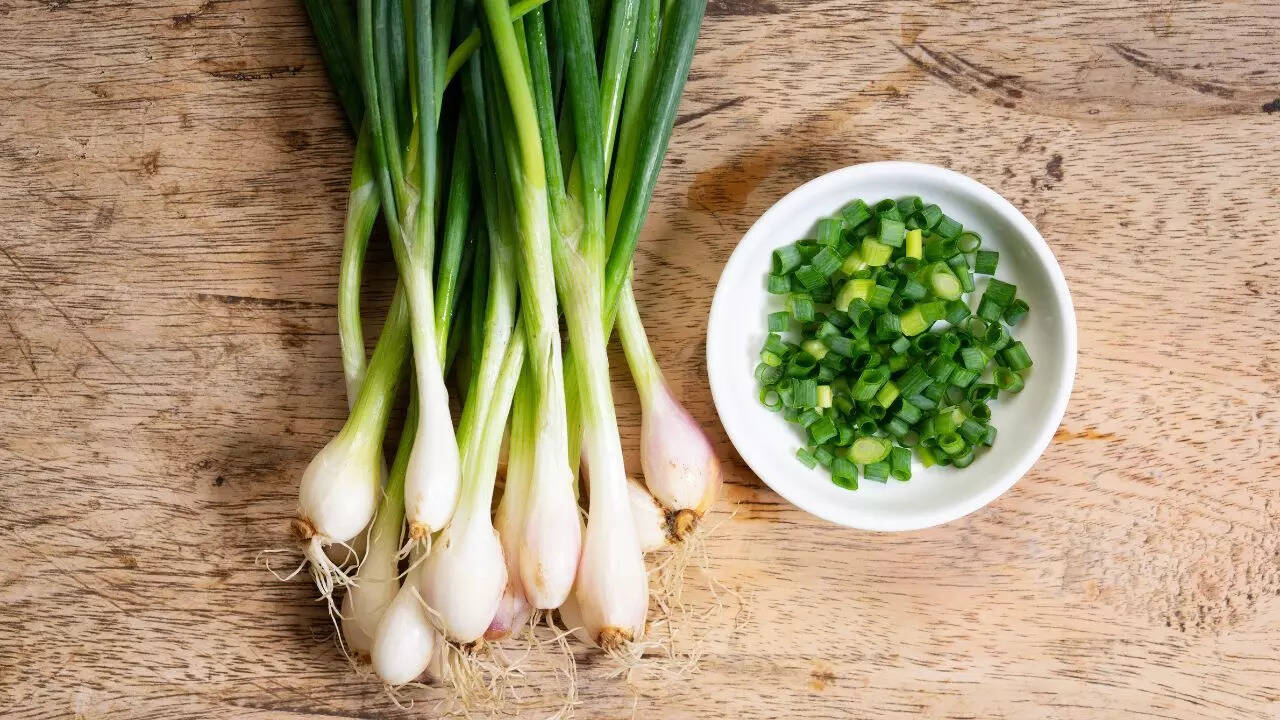
Green onions are simple. Wash, trim roots, slice, done.Leeks are not. Dirt hides between their layers. If they are not cleaned properly, that grit ends up in the food. The usual method is slicing them lengthwise and rinsing under water while separating the layers.It is a small step, but skipping it ruins the entire dish.
Nutritional difference in everyday terms
Green onions are light and fresh. They bring small amounts of vitamins and antioxidants, especially when eaten raw.Leeks are heavier and more fibre-rich. They support digestion and satiety better, especially when cooked. Their benefits are more noticeable in warm, slow meals rather than raw ones.Neither is superior. They simply do different jobs.The leek vs green onion confusion comes from how similar they look, not how they behave. Once you stop treating them as interchangeable, cooking becomes easier. Food tastes more balanced. Nothing feels too sharp or too flat.It is a small distinction, but it changes everything quietly. And those are usually the best kitchen lessons.Disclaimer: This content is intended purely for informational use and is not a substitute for professional medical, nutritional or scientific advice. Always seek support from certified professionals for personalised recommendations.Also read| Benne dosa recipe: How to make soft, buttery Bangalore-style dosa at home
[ad_2]
Source link