

How to grow the ‘Insulin Plant’ at home: Easy indoor gardening guide with benefits and care tips |
[ad_1]
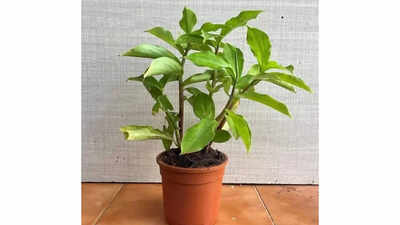
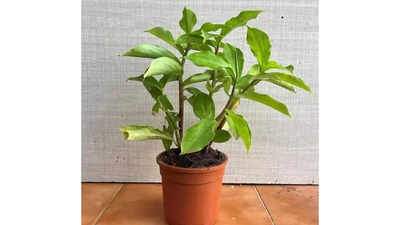
Indoor gardening is now not only a decorative feature of a home but a mechanism for promoting a healthier lifestyle. Several medicinal plants that can be grown and utilised indoors are the insulin plant, which is a unique species due to its health and ornamental values. The insulin plant is a favourite among many households, not to mention the many benefits of having a healthy lifestyle. Completing the cycle of growth is the instruction on caring for the insulin plant to ensure that it grows and prospers at home. In the next sections, the insulin plant will be defined, and detailed instructions will be provided on how to cultivate the plant indoors.
What is the Insulin Plant and what materials are required
The insulin plant has the scientific name Costus igneus, and it is a medical herb that belongs to the tropical plants grown in India. It is also referred to by the name ‘spiral flag.’ The insulin plant is an excellent choice for indoor gardening enthusiasts seeking both beauty and traditional wellness benefits. With simple care, minimal expense, and the right indoor conditions, it grows steadily and enhances the home environment. Whether placed for its medicinal reputation or its ornamental appeal, the insulin plant remains a practical and rewarding addition to any indoor garden.Key features of the insulin plant include:
- Broad, glossy green leaves; spiral arrangement
- Rapid growth in tropical and humid environments
- As an herb for medicinal purposes and an ornamental flower
- Conventionally, the leaves have been used in small amounts as part of traditional medicine, mostly used by diabetes patients.
Materials required: These are things needed before you can plant:
- Healthy Insulin Plant cuttings or Rhizomes
- Medium to Large earthen or ceramic container with holes for drainage.
- Coco Peat
- Vermicompost, Garbage or Well-Rotted
- Clean water
- Using high-quality materials will help ensure rapid rooting and good growth indoors.
How to plant the Insulin Plant in a pot
- Initial growth may take time, so patience is essential during the first few weeks.
- Choose a pot with easy drainage and space for root growth
- Add coco peat and vermicompost in equal quantities
- The pot should then be filled with soil mixture, while leaving some space on top
- Plant the cutting or rhizome diagonally into the soil
- Press soil gently all around the base
- Water heavily to settle the soil
During initial growth, it might take some time, hence the need for patience
Ideal indoor location and light requirements
Preferable light conditions for the insulin plant are bright, indirect light.Key placement tips:
- Place it near a window with filtered sunlight
- Avoid exposure to direct strong sunlight
- It should be kept at a warm temperature indoors.
- Too much light will end up burning the leaves, while insufficient light might hinder growth.
Watering and fertilisation tips
- Proper watering is key to indoor success.
- Adequate watering is essential for success with indoor plants.
- Water it frequently so the soil is always moist, not waterlogged
- Prevent waterlogging, where roots may rot due to excess water
- The new shoots emerge after a period of 20-25 days
For nutrition:
- Add organic manure or compost once a month
- Avoid excessive fertiliser, as the plant has modest nutrient needs
Benefits of the Insulin Plant
The insulin plant is valued for several traditional health benefits:
- Helps manage blood sugar levels naturally
- Can improve insulin sensitivity
- Full of antioxidants that work to promote good health
- Aids in digestion and relieves gastrointestinal discomfort
- Has anti-inflammatory properties
- May help to build immunity because of its vitamin composition
- It is to be consumed wisely and in a balanced way of living.
- It should be consumed responsibly and as part of a balanced lifestyle.
Additional care tips for healthy growth
To keep the plant thriving indoors:
- Prune dry or damaged leaves occasionally
- Rotate the pot to ensure even light exposure
- Keep the plant away from cold drafts and air conditioners
- Monitor for pests, though indoor plants are usually low-risk.
[ad_2]
Source link