

Not junk or processed fare, rather, this is the most harmful food for your liver; here’s what you need to know
When it comes to liver health, we often think fried food, junk, and alcohol are detrimental, but the fact of the matter is that while these foods are truly bad, something else is worse. And that is fructose. Yes, you heard that right! Metabolic Health Educator, Karen Patino Ramirez, recently took to IG to reveal why fructose damages your liver faster than any other food. Let’s take a look…Fructose is one of the most damaging foods for your liver because the liver handles it almost entirely, and it easily converts to fat, especially when it comes from sugary drinks and processed foods. Meat and natural fats can harm the liver when eaten in excess, but fructose-driven liver fat and inflammation, show up even in people who do not drink alcohol and are not very overweight.Why fructose stresses your liverThe human body uses its liver to break down fructose, but glucose serves as the main energy source which all human cells require. The liver starts producing fat through *de novo lipogenesis* after it receives a large amount of fructose in one sitting. This condition results in liver fat accumulation, which eventually develops into non-alcoholic fatty liver disease (NAFLD). Research shows that fructose metabolism causes cells to lose their ATP supply, generates uric acid, and prevents liver fat breakdown, together, these establish conditions that increase the risk of fat accumulation and inflammation.
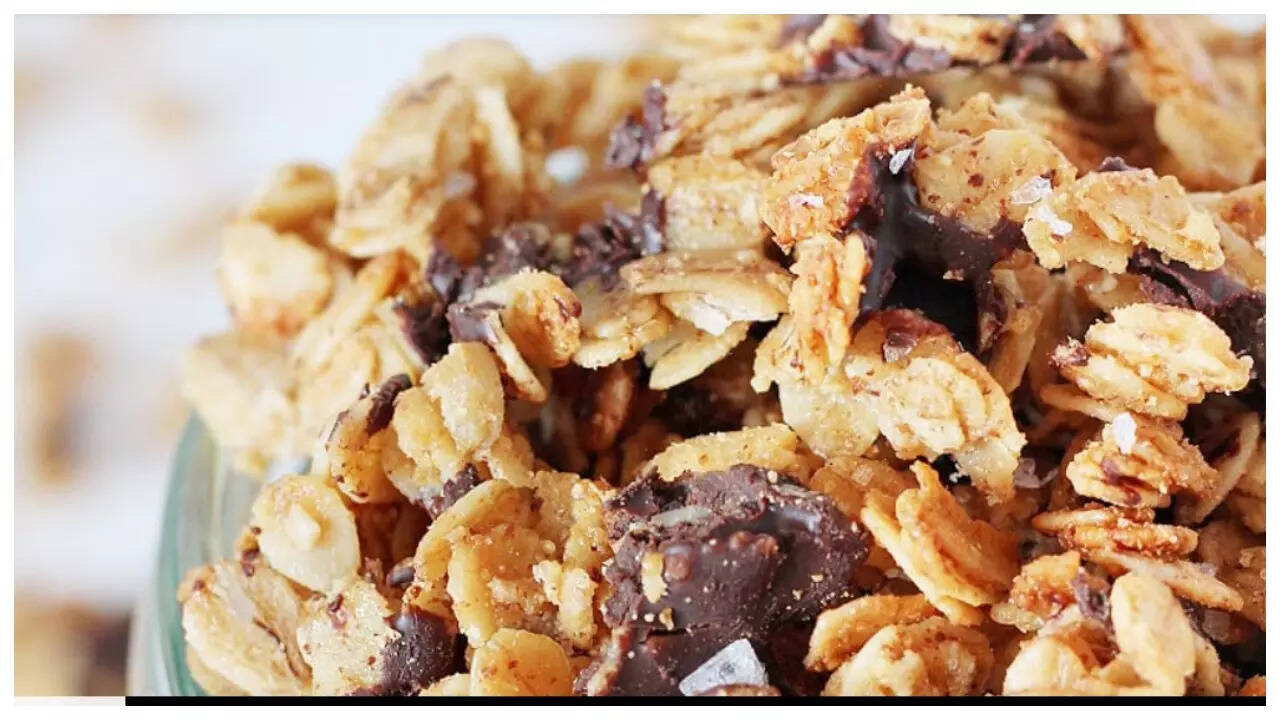
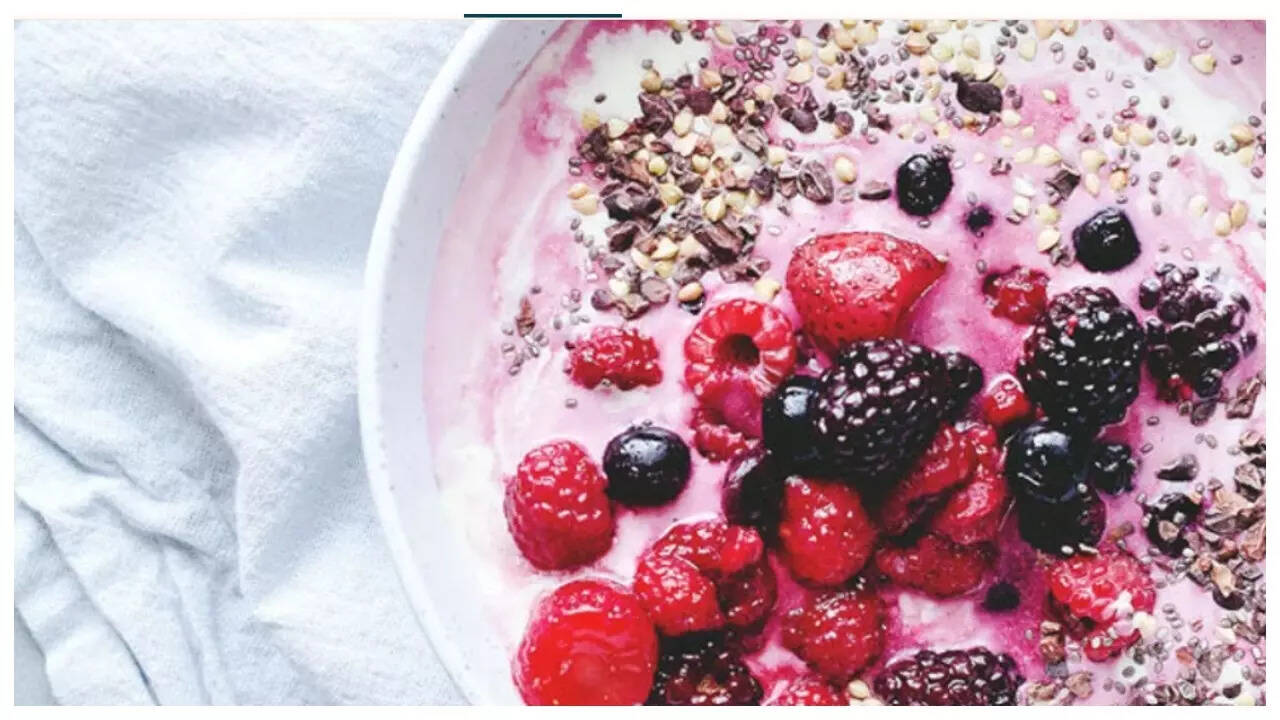
Fructose vs meat and fatThe public tends to identify red meat and dietary fat as the primary factors leading to fatty liver disease, but the situation involves additional elements. When you eat fat or protein, the body does not force all of it through the liver in the same rapid way it handles liquid fructose from sodas or sweetened juices. Studies from controlled feeding research show that fructose causes more liver fat accumulation than complex starches, when people receive the same number of calories. The study shows that fructose acts as an independent risk factor causing liver fat accumulation, without leading to weight gain from consuming extra calories. Fats can worsen fatty liver when combined with high sugar intake and excess calories, but fructose is often the first hit that starts the liver fat process in the modern diet.Sugary drinks function as a dangerous liver bomb which people fail to recognizeRamirez reveals that the liver faces its greatest danger from fructose consumption through sugar-sweetened drinks, which include colas, packaged juices, energy drinks and sweetened iced teas. These drinks contain high amounts of sucrose or high-fructose corn syrup, which provides liquid fructose that you can drink rapidly. Studies analyzing large population groups show that people who regularly drink sugary beverages develop fatty liver disease and elevated liver enzyme levels, but these health risks continue even when scientists factor in body weight. The research data shows that drinking sugar-free diet soda does not result in the same health issues which occur when consuming sugary drinks. One trial in overweight adults found that drinking one litre of sucrose-sweetened soda daily for six months, caused a bigger rise in liver fat than the same amount of diet soda, milk, or water.How fructose turns into liver fatThe liver cells contain fructokinase C which quickly phosphorylates fructose by consuming cellular phosphate and ATP reserves. The reduction in energy levels activates multiple biological pathways, resulting in elevated uric acid synthesis and enzyme activation that produces fat, and prevents the body from utilizing fat as an energy source. Research conducted on human subjects and animal models demonstrates that consuming high-fructose diets leads to elevated expression of fructokinase and fatty acid synthase enzymes in the liver, indicating that the liver starts producing fat.NAFLD: fructose and “lean” fatty liverNAFLD is now the most common chronic liver disease worldwide, and its rise closely follows higher intake of fructose-containing sugars in many countries. This condition can appear even in people who do not drink alcohol, and may not look very overweight from the outside. Research in clinical settings shows that NAFLD patients consume two to three times more fructose than people without the disease, and their fructose consumption directly relates to their disease severity which includes inflammation and fibrosis. Research shows that fructose functions as a two-part substance which starts fatty liver disease and then leads to the development of non-alcoholic steatohepatitis (NASH).Cutting fructose from the diet leads to fast improvements in liver fat levelsReducing fructose consumption from sweetened beverages and candies, will lead to fast liver health improvements, regardless of any weight changes. Research on obese children who consumed large amounts of sugar showed that substituting their diet with starch instead of sugar for just nine days, resulted in major reductions of liver fat and de novo lipogenesis. Research conducted through meta-analytic methods shows that people who drink fructose-sweetened beverages with extra calories than their normal intake, will develop liver fat buildup and their ALT enzyme levels will increase. The study shows that patients can reverse their metabolic changes by decreasing their sugar intake. The liver benefits from small specific modifications which include replacing soda drinks with water, and consuming unsweetened tea and black coffee consumption.Whole fruit vs industrial fructosePeople need to understand that fructose occurring naturally in whole fruits, differs from the fructose which manufacturers add to processed food products. The natural packaging of whole fruits contains fiber and water along with vitamins and antioxidants, which help control absorption rates and decrease liver work. Regular fruit consumption does not increase NAFLD risk according to most research findings. The primary danger stems from fast-absorbing fructose—found in table sugar, high-fructose corn syrup, sweetened beverages and desserts—because it overloads the liver beyond its processing capacity.
Disclaimer: This article is informational only and not a substitute for medical advice