

Isabgol vs chia seeds: Which everyday gut hero truly supports digestion and overall health |
[ad_1]
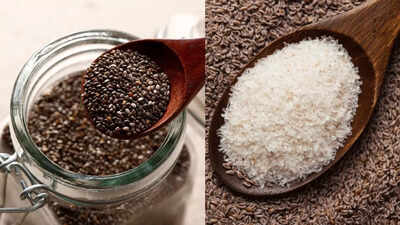
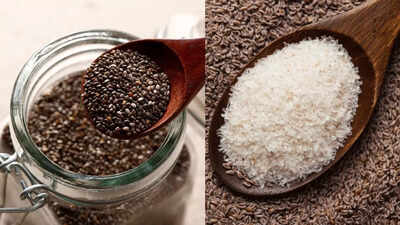
Gut health is one of the latest cornerstones of healthy living, and selecting the proper source of fibre for consumption is critical for managing digestion and appetite functions and ensuring overall metabolism. Chia seeds are widely known and popular across the world for their rich content of omega-3 fatty acids, protein, and antioxidants, but in the past few decades, isabgol, also known as psyllium husk, has also been widely accepted in India for managing digestive health. Although the popularity of chia seeds cannot be neglected, experts and doctors also imply that in some respects, isabgol’s performance may even surpass that of chia seeds, especially when it comes to managing the digestive system.
Nutritional profile of Isabgol and chia seeds
Isabgol
Isabgol contains a large amount of soluble fibers and about 70-80% of it is soluble. Soluble fibres can absorb water in the colon, resulting in a gel-like material that slows down digestion and helps to calm down the mucous membrane lining of the intestinal tract. This property of isabgol makes it very effective in dealing with constipation and gas problems.Apart from its mechanical functions in the body, isabgol also has prebiotic properties, in which it feeds good bacteria in the intestines, such as bifidobacteria. Research suggests that taking isabgol in the form of psyllium husk regularly can also be effective in lowering cholesterol, regulating blood sugar levels, and increasing satiety, thus helping in weight loss. The recommended dose is 1-2 tablespoons of isabgol powder in water or yoghurt.
Chia seeds
Nutrition-wise, chia seeds have many benefits, though their dietary characteristics are quite different from isabgol. They have only 10% soluble fibres, which are insoluble in nature, hence increasing the motility of the bowel without the formation of a gel-like fibre as in psyllium husk. They also contain omega-3 fatty acids, plant protein, calcium, and antioxidants, which make them a source of Nutraceutical Supplements.Consuming chia seeds is relatively safe daily, as the chances of digestive problems are small. They are also extremely versatile and can be mixed with other foods such as yoghurt, baked goods, and smoothies.
Isabgol vs chia seeds : Comparing digestive benefits
The primary advantage of isabgol over chia seeds lies in its high soluble fibre content, which directly supports bowel regularity, gut lining protection, and prebiotic activity. This makes it a potent ally for individuals suffering from constipation, irregular bowel movements, or digestive discomfort.Chia seeds, while beneficial for gut health, provide moderate soluble fibre and a wider spectrum of nutrients. They are better suited for overall wellness, cardiovascular support, and a nutrient-rich diet rather than targeted digestive therapy.
Public reactions and expert advice on daily isabgol use
Online communities show mixed reactions to daily isabgol consumption. Some users appreciate its ability to relieve bloating and maintain bowel regularity. Others caution against daily use, highlighting that excessive intake may cause loose stools or abdominal discomfort, particularly for those with sensitive digestion. Many nutritionists emphasise that both isabgol and chia seeds are most effective when combined with proper hydration and a balanced diet.
Isabgol vs chia seeds: Which should you choose
Choosing between isabgol and chia seeds depends on your goals:Isabgol is, however, a better option for targeted digestive support because of its high soluble fibre content, its prebiotic action, and also because it has a gelling action on the gut.For everyday nutrition and health, chia seeds provide a wide range of nutrients from omega-3s, antioxidants, and protein, which can be safely consumed daily.Some would recommend combining them strategically, which means using isabgol when they want a boost in digestion and chia seeds as a daily nutrient supplement. Finally and above all, hydrating, eating right, and living healthy amplify the benefits of either fibre source.
[ad_2]
Source link