Garber criticises faculty activism, argues Harvard went wrong and is restoring classroom objectivity and debate
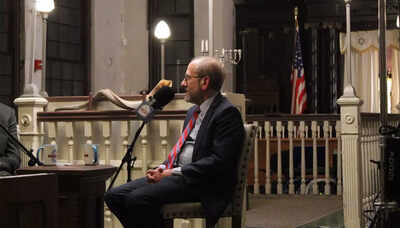
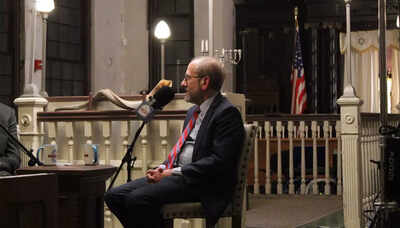
Harvard President Alan M. Garber ’76 has said the university “went wrong” by allowing faculty members to bring personal political views into teaching, arguing that the practice has discouraged open debate and free speech on campus.In unusually candid remarks on a recently released podcast, Garber linked what he described as a decline in tolerance for disagreement in higher education to a culture that permits professors to foreground their identities and beliefs in the classroom, comments highlighted by the Harvard Crimson.Criticism of classroom practicesGarber questioned whether students feel able to challenge instructors who have taken strong positions on contentious issues. “How many students would actually be willing to go toe-to-toe against a professor who’s expressed a firm view about a controversial issue?” he said, quoted by the Harvard Crimson.The comments represent Garber’s most direct public acknowledgement that faculty behaviour has contributed to weakened discourse on campus. He said he is committed to restoring neutrality in teaching, telling listeners that there has been “real movement to restore balance in teaching”, as quoted by the Harvard Crimson.Podcast appearance and leadership contextThe remarks were made during a live taping of the Identity/Crisis Podcast on December 16, 2025, produced by the Shalom Hartman Institute. Garber spoke in conversation with Yehuda Kurtzer, the institute’s president, a discussion later covered by the Harvard Crimson.The episode was recorded one day after Garber’s presidential term was extended indefinitely, although the podcast aired later. During the conversation, Kurtzer did not press Garber on Harvard’s ongoing conflict with the federal government or a potential settlement, according to the Harvard Crimson.Free speech, protest and institutional voiceGarber’s presidency has unfolded amid controversy over free speech following the October 7, 2023 attack on Israel, which intensified divisions on campus. He inherited a community facing criticism for its response, the Harvard Crimson noted.In response, Harvard adopted an institutional voice policy committing the university and senior leaders to avoid taking official positions on policy matters. Garber has emphasised restraint under the policy, particularly in classrooms, although he has made limited exceptions in a personal capacity, as outlined by the Harvard Crimson.Antisemitism and faculty activismGarber said that after October 7, some faculty members promoted anti-Israel views in classrooms. “It did happen in classrooms that professors would push this,” he said, quoted by the Harvard Crimson. He linked the trend to a rise in antisemitism on campuses, while arguing that social exclusion, or “social shunning”, is the most pervasive form.He cited accounts from Israeli students who said conversations ended abruptly after revealing their nationality, according to the Harvard Crimson.Policy revisions and external pressureRather than relying on punishment, Garber highlighted changes to student orientation, including modules on discussing controversial topics, and task force reports addressing bias. He also defended stricter protest and speech policies, saying it was “relatively straightforward” to clarify rules, as quoted by the Harvard Crimson.In April, the Trump administration, led by current US President Donald Trump, demanded governance reforms to curb faculty activism. Garber did not reference the demand directly but reiterated that Harvard is “not about the activism” and should focus on evidence-based teaching, as quoted by the Harvard Crimson.