Baby formula recall across multiple countries: Safety concerns and symptoms to watch |
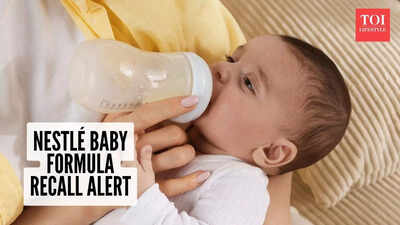
A baby’s food is closely tied to trust. When that trust is questioned, even briefly, parents deserve clear answers. Nestlé has announced a global recall of certain infant formula batches after finding a quality issue linked to an ingredient from a supplier. The move is precautionary, and no illnesses have been confirmed so far. Still, the recall matters because it involves infant nutrition and a rare toxin called cereulide.
What exactly is being recalled
Nestlé has recalled specific batches of some infant and follow-on formula products sold across several countries. These include SMA infant formula and follow-on formula, along with other brand names that vary by country. In France, the products include Guigoz and Nidal. In Germany, they include Beba and Alfamino.The recall is batch-specific. This means not all tins on the shelf are affected. Only certain production codes are part of the advisory, and all other Nestlé products remain safe to use.
Why Nestlé took this step
The recall began after a quality issue was detected in arachidonic acid, or ARA, oil supplied by a leading vendor. ARA oil is commonly added to infant formula to support growth and development.Testing suggested a possible presence of cereulide in the ingredient. Cereulide is a toxin made by some strains of the bacteria Bacillus cereus. Its presence in oils is very rare, but it can cause food poisoning. Nestlé chose to recall the products out of caution, even though no baby has been reported ill.This decision shows a preventive approach rather than a reaction to harm.
What is cereulide and why it matters
Cereulide can trigger symptoms such as nausea, vomiting, stomach cramps, and diarrhea. These symptoms usually appear fast, between 30 minutes and six hours after exposure.One key concern is that cereulide is heat-stable. The UK Food Standards Agency has warned that it is unlikely to be destroyed by boiling water or during formula preparation. That is why stopping use of affected batches is important, even if the formula was prepared correctly.
Symptoms to watch and when to act
So far, no illnesses have been confirmed. That is reassuring. Still, parents and caregivers are advised to stay alert.Warning signs include repeated vomiting, diarrhea, or unusual tiredness. If a baby shows any of these symptoms, medical advice should be sought immediately. If no symptoms appear, there is no cause for panic. Even then, use of the recalled batch should stop as advised.
How parents can check and what to do next
Parents should check the batch number printed on the base of the tin or box. For ready-to-feed formulas, the code may appear on the side or top of the container.Each country’s Nestlé or brand website lists the affected batch numbers. If a product is part of the recall, it should not be used. Nestlé has promised full refunds and clear return instructions through local websites.Health professionals can also guide parents who feel unsure about feeding alternatives during this period.
Why this recall does not point to a wider safety failure
Nestlé has stated that this issue is limited to a non-compliant ingredient from one supplier. The company is working with that supplier on a full root-cause analysis. According to Nestlé, the recall affects less than 0.5% of its annual group sales, and the financial impact is expected to be minimal.More importantly, the company says its broader quality and safety systems remain strong, and authorities in each affected country are involved.Disclaimer: This article is for informational purposes only and does not replace medical advice. Parents and caregivers should follow official recall notices and consult a pediatrician or healthcare provider for concerns about a child’s health or nutrition.