

Why cold-triggered swelling and redness hit fingers and toes the most in winter
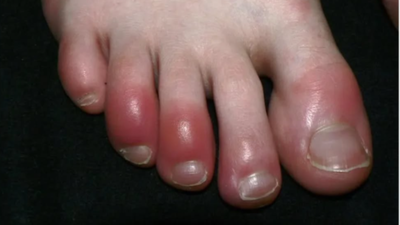
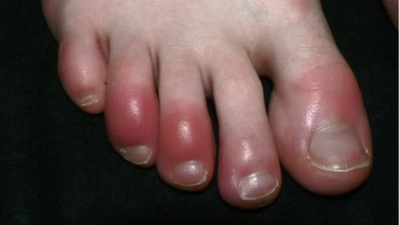
Winter doesn’t just bring chill waves-and hot cocoa for everyone. For some unlucky souls, it means fingers and toes turning into puffy, red troublemakers that itch like mad-and ache with every step. Chilblains, those sneaky winter woes, pop up when cold air tags team with skin in the worst way. Anyone who’s peeled off gloves to find angry purple spots burning on rewarm knows the drill. It’s not frostbite, thankfully, but it sure feels personal, especially in damp, chilly climates where temps hover near freezing without ever dropping too low.
Why skin flips out in the cold
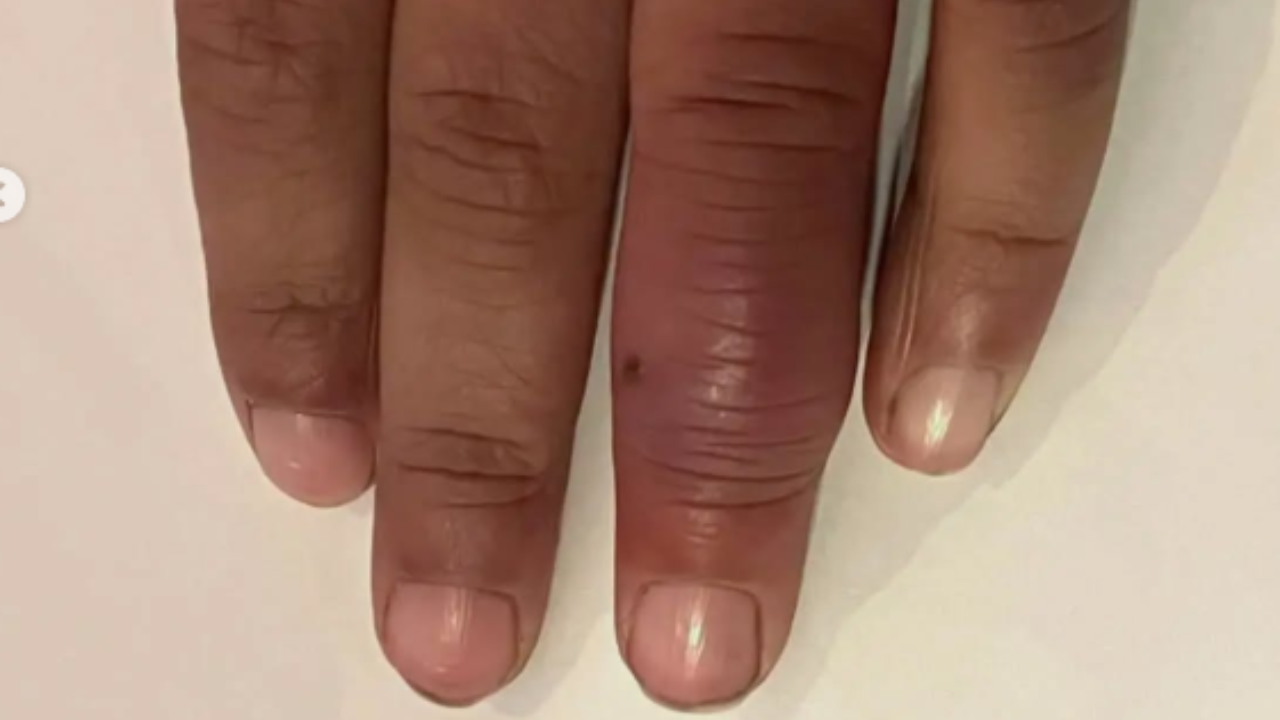
Temperatures around freezing, often with wind or moisture, make small blood vessels near the skin’s surface clamp down tight. The body shunts blood away from fingers, toes, ears, or nose to protect the core and conserve heat. Trouble brews on rewarming. Dashing inside to crank the heat or plunging cold hands into warm water makes those vessels flare wide open too fast. Fluid leaks into nearby tissues, sparking inflammation, redness, swelling-and that intense burning itch.People with slimmer builds or less body fat lack insulation, so extremities suffer more. Smokers face higher odds since nicotine narrows vessels further. Conditions like Raynaud’s–anemia, diabetes, or poor circulation stack the deck against smooth blood flow. Tight shoes, wet socks, or homes without consistent heating turn minor exposures into full-blown flare-ups. In hilly or coastal areas with cool, humid winters-Chilblains strike yearly, layering new spots on fading ones for weeks of discomfort.
Telltale signs of a winter attack
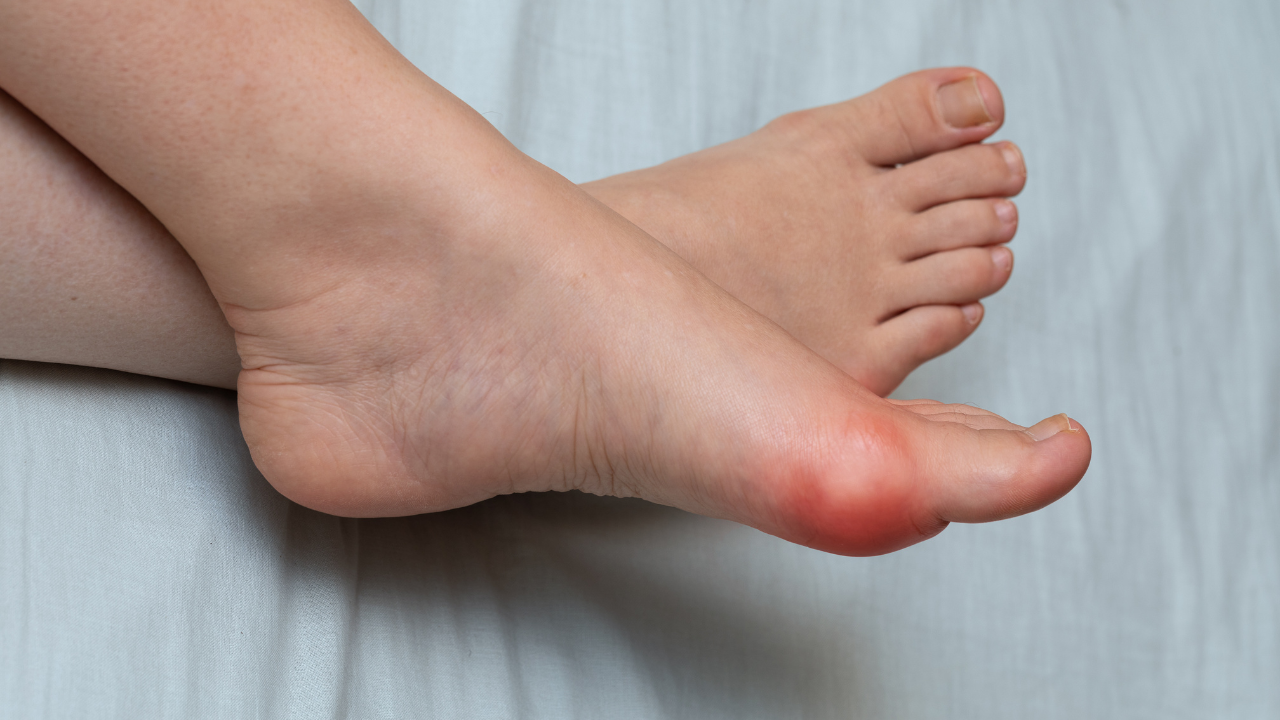
Symptoms lag behind, showing up 12 to 24 hours after cold exposure. Red or purplish patches appear first–hot and tender like fresh bruises. Itching builds to a frenzy, feeling like pins prickling under skin, worst during rewarming. Swelling turns fingers-and toes sausage-like, and scratching risks blisters, cracks–or ulcers. In severe cases, skin breaks open, inviting infection with pus or fever. Toes take the worst hit, fingers follow close, while noses, cheeks, or earlobes join for some. Numbness might precede the pain, peaking in days before easing over one to three weeks. Kids catch them too–often from play without proper gloves, proving cold spares no age.
Gentle fixes that bring relief
Gradual and constant warming is most effective. An onion-like layer of wool or ventilated fabric, even in the house, keeps the cold out and the sweat in. Warm, not hot, soaks for problem areas, accompanied by pat drying and generous, odorless lotion or petroleum jelly, relieve the discomfort. Ibuprofen alleviates the pain and inflammation, and prescription creams reduce the itch. Elevate the area, keep it dry, and do not, under any circumstances, scratch it. With proper care, most lesions heal cleanly in a matter of weeks; however, the development of pus, fever, or a non-healing lesion indicates the need to consult a physician for stronger medication.
Smart prevention for bump-free seasons
Preparation changes everything. Wiggle fingers-and toes often to pump blood, and thaw gradually, moving from cold outdoors to mild indoor warmth. Loose, moisture-wicking layers beat tight fits–and quitting smoking opens vessels wide. Folks with circulation woes might ask about vasodilators or compression gear. Heated insoles, gloves, or socks offer extra armor in harsh spots. Chilblains rarely scar permanently, but smart habits keep winters cozy, not cruel, turning potential pain into just a crisp memory.