
Squashing a cockroach in your home can be dangerous; know the reason |
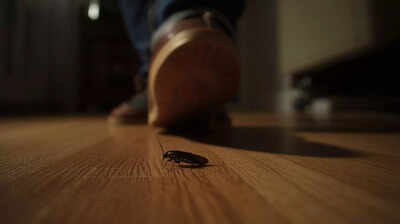
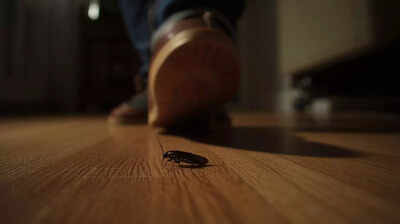
There is a particular kind of moment that triggers it. The light comes on. Something moves along the wall or across the floor. Before thought catches up, the instinct kicks in. Most people reach for a shoe. Cockroaches tend to provoke that response more than almost any other household pest. They are quick, unexpected, and loaded with associations people would rather not think about. What often goes unnoticed in that split second is what happens next. Squashing a cockroach does not end the problem in the way it feels like it should. In fact, it can make things quietly worse. The reasons are not dramatic or myth-based. They sit closer to hygiene, biology, and what these insects carry with them when they cross into our living spaces.
Crushing cockroaches spreads bacteria and may attract more roaches
Cockroaches have been around for a very long time. Fossil evidence suggests they existed hundreds of millions of years ago, long before modern humans or houses. Over time, they adapted to survive almost anywhere warm and damp. There are thousands of species worldwide. Only a handful live near people, but those few are especially good at it. They eat almost anything. They hide well. Some can even regrow lost limbs. This toughness feeds the idea that they are almost indestructible, even if that idea is often exaggerated.
Cockroaches are attracted by warmth and end up inside homes
Outdoors, cockroaches tend to live in moist areas. Indoors, they find something better. Warmth. Food scraps. Water. Shelter from weather. That is why spotting one inside feels personal. It suggests intrusion rather than chance. Kitchens and bathrooms are common places, not because they are dirty, but because they offer what roaches need to survive.
What happens when you squash a cockroach?
When a cockroach is crushed, it does not disappear neatly. Its body breaks open. Internal fluids spread. Whatever the insect was carrying comes with them.Cockroaches are known to carry bacteria and other microorganisms picked up from drains, waste, and decaying matter. When crushed, those organisms can end up on floors, worktops, or shoes. From there, they move further.
Squashing cockroaches spread disease
Cockroaches have been found to carry bacteria such as E. coli and salmonella, along with viruses and parasites. Some of these are linked to food poisoning and gut infections.Even if infection does not occur, these organisms can worsen asthma and allergies, especially in children. Crushing the insect makes it easier for those particles to spread rather than stay contained.
- More cockroaches are attracted after one is killed
Cockroaches communicate using chemical signals. When one is injured or crushed, it can release substances that attract others nearby. These signals are not intentional alarms, but they still draw attention. This means squashing one cockroach can quietly increase activity in the same area later. Those arriving insects bring their own bacteria with them.Cockroach fluids have a strong odour. When released, the smell can linger on surfaces and in fabrics. That smell can also signal safety or food to other cockroaches. It does not always happen immediately, but over time it can make an area more attractive to them.
A safer way to deal with cockroaches
Slow methods tend to work better. Gel baits allow cockroaches to carry poison back to nests. Sticky traps stop them moving or signalling to others. Both approaches reduce spread. Sealing gaps, storing food properly, and reducing moisture also help. These steps are less satisfying than a quick squash, but they are cleaner and more effective.The urge to kill a cockroach on sight is understandable. But sometimes stopping yourself does more than reacting. These insects thrive on chaos and crumbs. Quiet control, done gradually, changes the space in ways cockroaches do not like. And eventually, they move on. Or stop appearing at all.