
KSPCB clearance delay threatens rural start-ups, job opportunities under PMFME Scheme | Bengaluru News
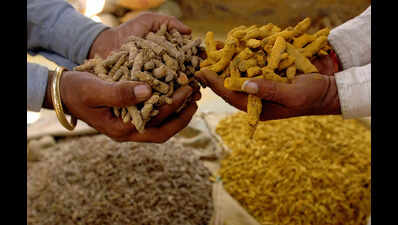
BENGALURU: After witnessing an overwhelming response over the past few years, govt-assisted rural food start-ups under the PM Formalisation of Micro Food Processing Enterprises (PMFME) scheme in Karnataka hit a roadblock in 2025–26, with banks refusing loans due to the absence of mandatory Consent for Establishment (CFE) certificates from the Karnataka State Pollution Control Board (KSPCB). With only a few months left before the close of the financial year and thousands of beneficiaries awaiting clearances, Agriculture minister N Cheluvarayaswamy urged the KSPCB to exempt these units from obtaining consent certificates. In a letter to KSPCB Chairperson PM Narendraswamy last week, the minister sought exemption for PMFME units—largely set up by farmers and rural entrepreneurs—from the mandatory CFE requirement. The issue came to the state govt’s attention during a review meeting of the State Level Bankers’ Committee (SLBC), held in association with the Union Ministry of Food Processing Industries in the 2nd week of December. “As many as 52 bankers participated in the meeting, and it emerged that thousands of PMFME applications are pending with banks due to the absence of CFE from the KSPCB. If these units fail to obtain CFE, the state will not be able to achieve its target for 2025–26. The Chief Minister earmarked Rs 206 crore to facilitate 5,000 micro food processing units across Karnataka,” the minister stated in his letter. Officials from the agriculture dept said the KSPCB typically takes anywhere from a few weeks to several months to issue CFE. “In the absence of CFE, banks will not finance these units, crippling their business plans as they cannot sustain themselves on state and central subsidies alone. Each unit can generate 10 to 15 jobs, translating to 40,000 to 50,000 employment opportunities in rural Karnataka,” an official said. Justifying the demand for exemption, the minister noted that the average investment under the PMFME scheme ranges between Rs 10 lakh and Rs 15 lakh per unit. “Most of these are millet processing units, ready-to-eat fruit and vegetable units, cold-pressed oil mills, bakeries, spice powder units, and pappad and pickle manufacturing units. These activities have minimal environmental impact, help curb rural migration, support marginalised communities, and ensure better prices for agricultural produce,” he said. The minister further said, “Such units should be classified under the ‘White Category’ and exempted from obtaining both CFE and Consent for Operation (CFO) certificates.” Over the past 5 years, Karnataka registered nearly 8,000 start-ups under the PMFME scheme. The Karnataka State Agricultural Produce Processing and Export Corporation (KAPPEC) is the nodal agency overseeing implementation. Collectively, these units attracted investments of nearly Rs 1,000 crore, including subsidies. As 2025–26 marks the final year of the scheme, the govt aims to add another 500 units with state assistance of about Rs 206 crore.