

Are there any health risks of walking through metal detectors?
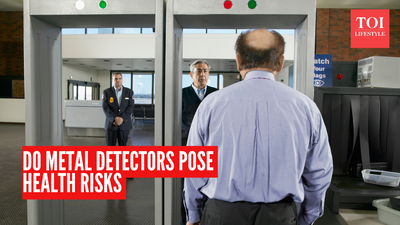
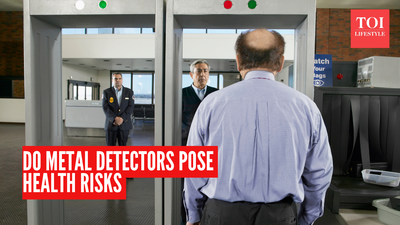
Almost every place we enter these days, there’s a metal detector waiting for us to walk through it. While these detectors are important for security concerns, it is also important to understand if these detectors pose any risk to our own health. Let’s understand how these metal detectors work, what’s their impact on the human body and what are the vulnerable groups.
How metal detectors work
Walk through metal detectors work on electromagnetic fields. Ideally, these are low-frequency and non-ionizing electromagnetic fields. These fields interact with metallic objects for a very minute period of time for identification. These fields do not use radiations like that in X-rays and some other imaging procedures. Also read: UK superflu shows worsen symptoms with bile vomiting: Know why it is serious
What health agencies say about its risks
The World Health Organisation notes “Low-frequency magnetic fields induce circulating currents within the human body. The strength of these currents depends on the intensity of the outside magnetic field. If sufficiently large, these currents could cause stimulation of nerves and muscles or affect other biological processes.” The US Environmental Protection Agency (EPA) confirms that metal detectors use non-ionizing radiation, which does not damage DNA or tissues.For people with implanted medical devicesThe Health Physics Society states that patients with pacemakers can safely pass through metal detectors.Overall, current scientific evidence shows that brief exposure while walking through metal detectors does not pose a known health risk to the general population. Disclaimer: This article is for informational purposes only and should not be considered professional advice.