
US strikes Venezuela: Will the crisis have any ‘meaningful impact’ on India? GTRI advises caution
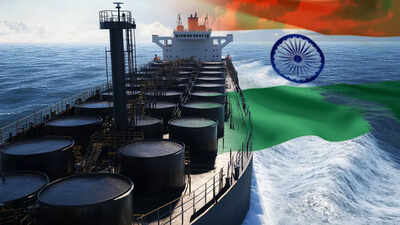
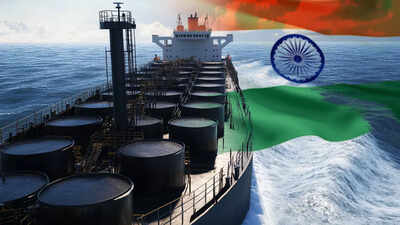
India is unlikely to be affected by the ongoing crisis in Venezuela, in terms of material economy or energy, Global Trade Research Initiative (GTRI) assured in a note. Though it was once a major buyer of Venezuelan crude, the think tank highlighted that New Delhi has been reducing shipments from the South American nation in recent years. In the 2000s and 2010s, Indian firms such as ONGC Videsh held stakes in Venezuela’s Orinoco belt, importing significant volumes of crude. But since 2019, US sanctions have forced the country to scale back imports and commercial activity, curbing trade to avoid secondary sanctions.
Now, trade between the two nations is relatively small and steadily coming down. In 2024-2025, India brought in just $364.5 million worth of goods from Venezuela, from which, crude oil amounted for 255.3 million. This marked a drastic, 81.3%, drop from the $1.4 billion in 2023-2024. Exports, meanwhile, stood at $95.3 million, led by pharmaceuticals goods valued at $41.4 million. “Given the low trade volumes, existing sanctions constraints, and the large geographical distance, the current developments in Venezuela are not expected to have any meaningful impact on India’s economy or energy security,” GTRI said. Looking beyond the immediate situation, GTRI said that global competition for raw materials and energy is likely to intensify in the coming years. It urged India to proceed with caution, protect its strategic autonomy, and secure access to critical resources and energy without succumbing to geopolitical pressure.The think tank’s approach comes after US forces carried out a large scale military operation in Venezuela, capturing President Nicolas Maduro, along with this wife. The duo was taken to US to face charges including allegations of narco-terrorism and drug trafficking. Venezuela’s oil reserves were at the heart of the US operation. The country holds around 18% of the world’s proven oil reserves, more than Saudi Arabia, Russia, or the United States and even more than the US and Russia combined. “The United States has signed trade deals with partners such as the European Union, Japan, South Korea and the United Kingdom, getting commitments from them to buy US petroleum products and LNG, without having sufficient crude oil or refining capacity,” the GTRI note said. “Against this backdrop, Venezuela, which holds the world’s largest proven petroleum reserves, represents a critical source of upstream crude for the USA. Free access to Venezuelan oil was thus a central motivation for the US.”