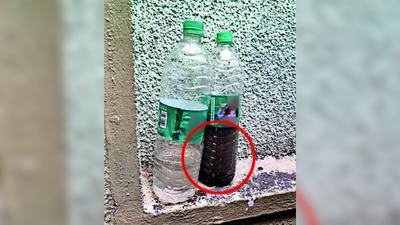

Even mild dehydration can ‘shrink’ your brain: Here’s what you should do to prevent it


Most of us think dehydration causes nothing more than dry skin and a headache. However, do you know that even mild dehydration can cause your brain shrink to the size of a raisin? Yes, that’s right. This occurs because the body loses fluid which causes brain tissue to shrink while ventricles inside the brain expand, thus making the brain appear smaller and more wrinkled. Let’s take a look…The brain begins to shrink when a person develops dehydrationThe brain is about 75% water, so it is very sensitive to changes in hydration. When a person does not drink enough water, the concentration of salts and other substances in the blood goes up (this is called increased serum osmolality). The body controls this process through brain cell water release which causes brain cells to shrink.
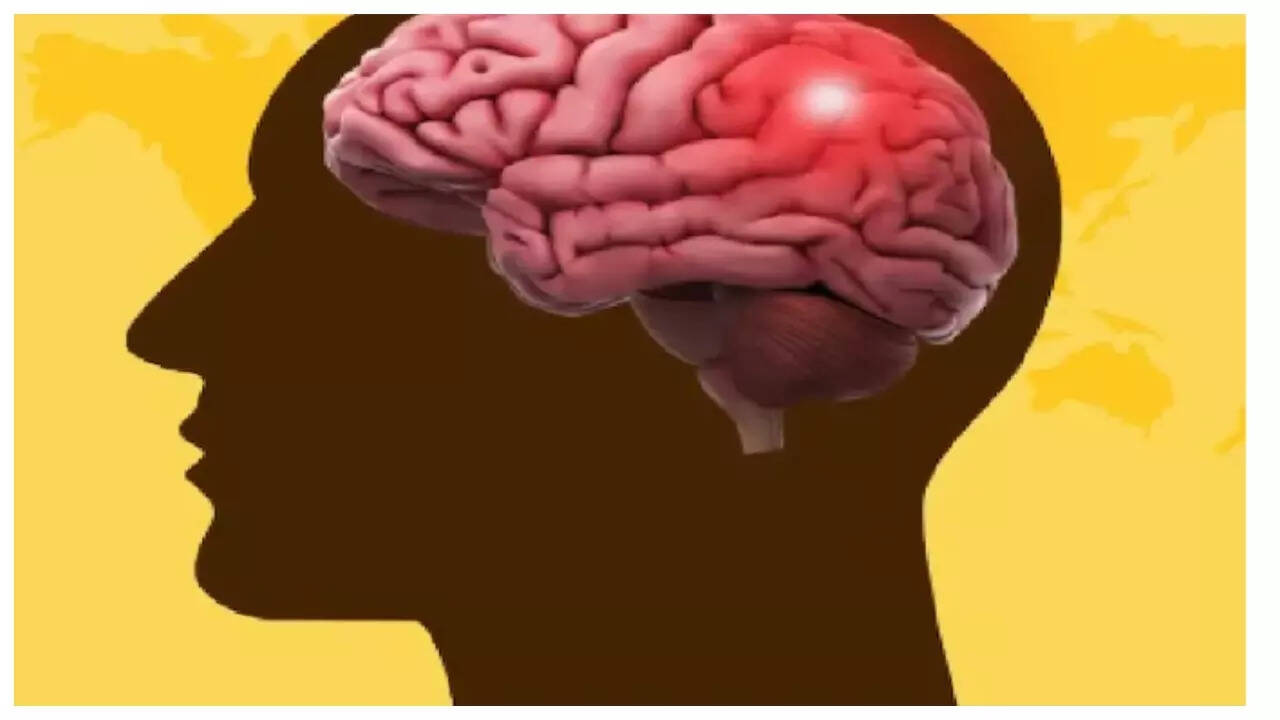
MRI studies in healthy adults and adolescents have shown that after just 12–16 hours of mild dehydration (for example, not drinking much overnight), the whole brain volume decreases by about 0.3–0.6%. The brain tissue loses water which results in ventricle expansion because of fluid accumulation, while the brain tissue itself becomes smaller. The brain returns to its typical dimensions after the person consumes water for drinking.What happens to brain functionThe brain shows only slight size reduction but this small decrease in size produces major effects on brain functioning. Functional MRI (fMRI) studies show that when a person is dehydrated, the brain has to work harder to do the same tasks.In one study, teenagers who were dehydrated after exercise had much stronger activity in the fronto‑parietal brain areas (which are important for planning, attention, and problem‑solving) during a thinking task, even though their performance was not worse. This means that their brains needed to work at a higher intensity to sustain the same mental processes which required additional energy consumption.
The effects of mild dehydration on mental processes and emotional states need to be studiedThe loss of 1–2% body weight in water results in mild dehydration which produces detectable mental and emotional changes in normal young adults. Common effects include:
- Poorer concentration and slower reaction time
- People experience decreased ability to maintain information in their short-term memory and working memory, which enables them to use information during brief periods.
- People experience rising levels of exhaustion, together with weariness and decreased physical strength.
- The person will develop rising irritability which will combine with increasing tension, to make it more difficult to stay calm.
- Children and older adults are especially sensitive to these effects, because their bodies are less able to sense and respond to dehydration. Schoolchildren who experience any level of dehydration will experience decreased focus and memory function, which negatively impacts their academic work and their ability to succeed on tests.
Why this matters for long‑term brain healthThe brain faces long-term health risks because light dehydration events have happened multiple times throughout history. Some researchers believe that chronic low water can have the following effectsThe brain undergoes accelerated age-related shrinkage which results in brain atrophy.The brain becomes more susceptible to cognitive deterioration which leads to dementia development.The body becomes more susceptible to strokes because dehydration causes blood to thicken while it restricts brain blood circulation.Research shows that dehydration causes blood vessel problems in the brain which decreases blood circulation, and leads to increased stroke risk and cognitive decline.How many glasses of water does a person actually requirePeople require different water amounts because their needs depend on their age, weight, level of physical activity, environmental conditions and their overall health status. However, a simple rule is to drink enough so that:
- The urine appears pale yellow in color instead of dark yellow or amber.
- The body experiences either no thirst or only a light thirst during most of the time.
- You do not experience any unusual fatigue or dizziness or headache symptoms.
- Adults should consume 2–3 liters of total fluids which include water and other drinks and water-rich foods such as fruits and vegetables and soups. The human body needs to drink more water during hot weather and when someone performs physical activities.
Disclaimer: This article is informational only and not a substitute for medical advice