
Dalia vs Upma: Which breakfast supports weight loss better |
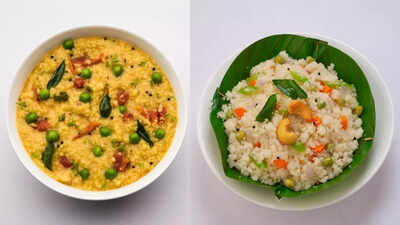

Breakfast affects total daily energy intake, blood sugar levels, and overall body weight regulation. In South Asian households, dalia and upma are among the most common morning foods. Dalia is made from coarsely cracked whole wheat, while upma is prepared from refined wheat semolina. Differences in grain processing, texture, and macronutrient composition influence carbohydrate digestion, fibre content, energy density, and micronutrient availability. Rising rates of obesity and related conditions have prompted scientific attention on staple breakfasts. Studies and observational data measure how these foods affect blood glucose, insulin response, and satiety, providing information on their physiological behaviour without linking any single food to direct weight change.
What grain structures of dalia and upma mean for weight loss
Whole wheat retains the bran, germ, and endosperm. The coarse grains absorb water slowly during cooking and remain firm. Due to its higher content of fibrous materials, coarse grains take longer to chew than refined grains before the stomach can begin digesting the food. Mastication studies conducted in laboratories have shown that when chewing coarse grains such as barley, it takes significantly longer than when chewing refined wheat products.
When water is added to upma (coarse wheat), it makes a mushy product called mush. Dalia (cracked wheat) is created when a coarse wheat grain is crushed. The starches in a coarse wheat grain, such as those in cracked wheat (which contain starches), are very tightly held by the bran layer. This makes the rate of digestion for cracked wheat slower than that of upma. The minimal mechanical resistance allows faster consumption and quicker movement from the stomach into the small intestine. Analyses of semolina porridge show that hydration and gel formation occur rapidly, making it easier to digest but reducing oral processing time.
Carbohydrate behaviour
The starch in upma semolina is less tightly bound with the other components of the grain, the starch is broken down more quickly to glucose or fructose molecules, which can enter the bloodstream. A study published in Indian Journal of Medical Research investigated blood glucose and insulin after adults ate minimally processed wheat meals. Peak glucose levels were lower, and rises occurred more gradually compared with refined wheat. These measurements were taken under controlled conditions, with no changes to the usual diet or activity. Slower carbohydrate absorption delays glucose fluctuations after a meal.Starch in semolina is more exposed, hence the enzymes act very quickly. Blood glucose levels measured rise faster and peak higher than with coarse wheat. Continuous glucose monitoring indicates semolina as a source of earlier insulin responses. The data illustrate differences in glycaemic load per portion, although they do not directly indicate effects on body weight.
Fibre content
Coarse grains retain insoluble fibre from the bran. Fibre is a bulking agent; it slows down gastric emptying and activates stretch receptors. Longer chewing and slower digestion influence satiety hormones. Controlled trials measuring peptide YY and ghrelin indicate that high-fibre meals produce stronger early satiety signals. Insoluble fibre also contributes to stool bulk and gastrointestinal movement.It hardly has any intrinsic fibre, and any contribution is through the vegetables or seeds added during the preparation. Soft cooking lowers the mechanical stimulation of the stomach and intestines. Measurements show faster gastric emptying and shorter oral processing. Observational data suggest low-fibre breakfasts may require larger portions or additional foods to produce similar fullness.
Energy density
Usually cooked with water, sometimes with vegetables. Energy density is low, and portions provide fewer calories per serving. People’s laboratory tests show that they tend to consume similar weights of food regardless of energy density. Lower density makes it possible to eat a larger volume without substantially increasing caloric intake.Often cooked with oil, ghee, nuts, or other flavourings. These additions increase energy density and total calories per portion. Portion sizes may appear similar to dalia, yet deliver more energy because of added fats. Measurements confirm that energy intake varies significantly with preparation, independent of food volume.
Nutrients and micronutrients
Whole wheat retains magnesium, iron, zinc, and B vitamins. Analytical assays confirm their presence. These micronutrients serve as the fuel for metabolic reactions. Observational studies associate whole grain consumption with nutrient adequacy and subtle markers of metabolic health, though weight change is not directly measured.Semolina contains fewer naturally occurring micronutrients unless fortified. Standard analysis shows reductions in magnesium, iron, and B vitamins. While fortification can bring back some nutrients, semolina is generally still lower in diversity compared to whole wheat. There are variations depending on processing, brand, and added ingredients.
Dalia vs Upma: Fibre content, starch digestion, and other key differences explained
| Attribute | Dalia | Upma |
| Grain processing | Whole wheat, coarse | Refined semolina, fine |
| Starch digestion | Slower, lower glucose peaks | Faster, higher glucose peaks |
| Fibre content | High, mainly insoluble | Low, mostly from additives |
| Energy density | Lower, water-rich | Higher if oil/nuts added |
| Micronutrient content | Higher magnesium, iron, and vitamin B | Lower unless fortified |
| Preparation texture | Coarse, requires more chewing | Soft, easier to consume |
How preparation and dietary patterns shape satiety
Usually consumed with milk, yoghurt, or vegetables. The coarse texture prolongs chewing and gastric residence time; thus, satiety signals get engaged. Observational studies indicate that high-fibre meals with slower digestion reduce energy intake across the morning in some adults.Frequently served with coconut chutney, sugar, or sweetened beverages. Soft texture and minimal fibre accelerate consumption and gastric emptying. Habitual intake records suggest that accompanying foods and meal context influence total energy intake more than the semolina base alone.Also Read | Fight cold and cough with guava: 7 reasons to eat the fruit in winters