

Bird flu outbreak in India: Early symptoms, preventive tips to know |
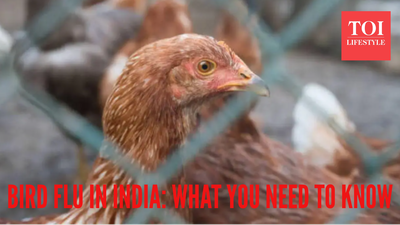

Bird flu, or avian influenza, mainly caused by the H5N1 virus, is sparking fresh worry in India, with recent outbreaks reported in Kerala, along the Tamil Nadu border, and earlier waves across 10 states including Andhra Pradesh, and Maharashtra. The virus mainly infects poultry and wild birds and occasionally infects mammals including crows and big cats, but it creates a dangerous human health threat when people touch infected animals, or their contaminated surroundings. Initially, this presents as typical flu symptoms, but they can develop into dangerous pneumonia. Let’s learn more…What fuels the current outbreak in IndiaThe Indian government documented 41 bird flu outbreaks which occurred in 10 states, during the first seven months of 2025. Although the number decreased from 49 in 2024, the country remains at risk from H5N1 and H9N2 bird flu strains. The virus spread between commercial farms and backyard chickens, wild crows and zoo animals, which included tigers, lions and leopards. The recent reports from Kerala led Tamil Nadu to perform large-scale bird killings and ban all poultry imports, while their officials increased their airport and wetland monitoring activities. Migratory birds from Central Asia transport this disease to southern regions during their winter migration, because warmer winters create new migration paths which put additional stress on bird populations. The spread of diseases between farms occurs because small farms lack proper biosecurity measures, when they combine ducks with chickens, and their workers do not use protective equipment. The 2021 National Action Plan (NAP) of India emphasizes both immediate disease notification and vaccine distribution, including the H9N2 vaccine and it supports ring cull operations which provide farmers with Rs 120/kg compensation. The present outbreak has not resulted in any human cases, but scientists believe the virus could spread from animals to people, through wet markets and facilities where animals are slaughtered.
Early symptoms to spot firstThe initial symptoms of Bird flu resemble typical cold or seasonal flu symptoms, which appear one to three days following contact with contaminated bird waste, feathers or saliva. Look for sudden high fever above 38°C, chills shaking the body, dry cough, sore throat, and runny nose. The body experiences muscle pain which moves from arms to legs and spine, while fatigue reaches critical levels to prevent any basic activities. The nose produces both runny and stuffy discharge, which becomes more severe by the minute while headaches intensify their pressure on the eyes. Children need close monitoring for nausea, vomiting and loose stools which occur without any food consumption. The eyes of patients develop symptoms which include redness, tearing, swelling and pain, that resemble viral conjunctivitis when they touch their eyes during handling.

Breathing troubleThe symptoms become severe enough to cause serious breathing problems, which indicate that the lungs have become affected during days 3-5. The patient experiences breathing difficulties which occur during rest periods, and the chest area experiences severe pain when the person attempts to cough, or take deep breaths while his sputum production becomes both thick and bloody. The body shows two signs of low oxygen through fast breathing and blue lips because ARDS (acute respiratory distress) develops rapidly, while fluid accumulation occurs in the lungs. A doctor can identify pneumonia through stethoscope listening, which reveals wheezing or crackling sounds during examination. The absence of oxygen support and ICU care results in multi-organ failure.

When symptoms turn seriousThe body experiences a cytokine storm when patients develop high fever for three to five days, and show signs of confusion, dizziness and seizures, because their immune system becomes overactive and damages their healthy tissues. The body develops joint pain while the kidneys and heart experience deterioration. People with asthma, diabetes and weak immune systems, face the highest risk of dying from the virus. The antiviral medication oseltamivir (Tamiflu) becomes effective in reducing mortality, when patients receive it during their first 48 hours of fever onset. Research teams perform tests to create vaccines which will protect employees who face elevated health risks.Who faces the highest risk right nowThe group which includes poultry farmers, veterinarians, slaughterhouse workers and live bird market sellers, faces the highest risk because they breathe in dust while handling fluids without protective equipment. The death of backyard chickens or duck ponds creates a risk for pet owners who have these animals. The infection causes worse health outcomes for children, who play near ponds with dead wild birds and for elderly patients, with lung problems and people who have asthma. People who visit outbreak areas including Kerala wetlands, become exposed to the disease. Healthy adults usually have the ability to fight off light infections.Everyday prevention tips for familiesPeople need to wash their hands completely with soap for twenty seconds following any animal encounter, particularly when dealing with birds or farm animals. A hand sanitizer with alcohol serves as an alternative to soap for hand washing. Avoid touching your face, eyes, nose, or mouth. The cooking process for poultry, eggs and meat requires reaching an internal temperature of 74°C, while ensuring the absence of pink juices and runny yolks. Avoid consuming raw milk that could come from contaminated cattle farms, and uncooked foods, including half-cooked eggs. The ventilation of homes and farms requires better systems because they help decrease the transmission of airborne viruses.Boosting your home and immunity defensesPeople should receive annual flu vaccinations because these shots help the body develop immunity, which reduces the severity of bird flu infections. The body needs vitamin C-rich fruits and zinc from nuts/seeds and adequate hydration, to maintain its defensive capabilities. The ICMR services and state health mobile applications enable users to receive outbreak alerts, which show the current situation in their specific region. People who live near farms need to store N95 masks as their first choice and they should keep their children inside when farm animal culling operations take place. People should limit their visits to live poultry markets while selecting their meat from sealed labeled supermarket products which come from inspected facilities.What to do if you suspect Bird FluYou should immediately stay home while wearing protective masks when interacting with your family members, and should contact local health center for assistance without delay. The RT-PCR test of nasal/oral swabs will confirm the diagnosis. The treatment for mild cases includes bedrest while taking paracetamol to control fever and pain, and patients need to stay hydrated by drinking plenty of fluids while healthcare providers monitor their oxygen levels using pulse oximeter tests.Disclaimer: This article is informational only and not a substitute for medical advice