
Why you should always pack a tennis ball when travelling long distances (and how it helps your body) |
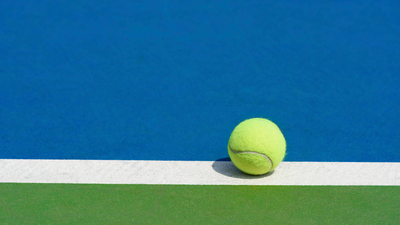
Actually, travel days tend to have a more dramatic effect on the body than we think. The physical strain of travelling by plane, train, or car can result in stiff muscles, poor circulation, and just plain tiredness. Even travellers tend to pack the essentials: power adapters, snack foods, and a comfortable neck rest. However, one of the most useful travel accessories that travellers always seem to forget is the tennis ball. The tennis ball is a small, lightweight product that can actually be used as a self-service massage aid. It can help to loosen tense muscles, improve blood circulation, and alleviate discomfort associated with sitting. It can be used either while travelling or after you arrive at your holiday destination to make a remarkable difference in the way that your body feels.
Why does long travel cause physical discomfort
Extended sitting puts the body into unnatural postures for extended hours. This gives rise to several problems related to the body over time, and those problems include:
- Poor blood flow, especially in the legs and feet
- Lower back with a compression injury from improper lumbar support
- Tight hip flexors due to continuous bending over at the waist
- Shoulder and neck tightening due to restricted movement
These conditions, together with others, result in stiffness, swelling, and muscle fatigue that can occur for a considerable period after the flight.
How a tennis ball improves blood circulation
Among the largest hazards of long-distance travel is the potential for impaired blood flow, particularly to the lower extremities. This can be improved by using a tennis ball to swing the legs to stimulate the muscles and improve blood flow in the following ways:
- Promoting blood flow to compressed muscle tissue;
- Minimising Fluid Accumulation in Ankles & Feet
- Reducing the feeling of heaviness and swelling associated with a lack of exercise
- Using it regularly during long journeys can reduce weight by keeping the body light.
How a tennis ball helps release muscle tension during travel
When the muscles are not used for an extended period of time, they become tight and tense in defence. When you use the tennis ball, you can focus on these regions to relieve the tension because the tennis ball can be applied specifically
- The lower back region, where there is little support provided in most seats
- The hips and glutes are tight due to sitting.
- Shoulders and Upper back, strained with poor posture.
- Slow and gentle force can help the muscle relax without overstretching it.
As reported by PubMed Central, shows using a tennis ball as part of myofascial release can reduce muscle tightness and improve functional outcomes in therapeutic settings, such as enhanced motor function and reduced spasticity in patients, highlighting its potential to affect muscle and connective tissues positively.
How to use a tennis ball while travelling
It is a discreet enough tool to be used even in cramped environments. It can be applied in a variety of ways:
- For back pain: The ball should be placed between your back and the chair. You roll the ball back and forth or up and down.
- For the thighs: Place the ball under the back of your thighs while seated to alleviate pressure and promote circulation.
- For the Feet: Once you arrive at your destination, roll the ball under the arches of your feet.
Some players will actually insert the ball into a sock to better control it. This will work just as well by itself.
Why a tennis ball is a smart travel essential
In comparison to other methods of rehabilitation, tennis balls have numerous merits:
- It takes up almost no space in your bag
- Weighs virtually nothing
- Does not require batteries or setup
- Can be used anywhere and at any time
This makes it perfect for frequent travelers, seniors, or anyone normally prone to stiffness after a prolonged period of travel.
Practical tips for using a tennis ball safely and effectively
To make the most out of it and to avoid any uncomfortable feelings, follow these guidelines:
- Rather, the use of slow and gentle pressure instead of the forceful rolling action
- Exclude areas with injuries, inflammation, or bruises
- Try to combine playing tennis balls with walking and some stretching activities
- Roll out the muscles a few minutes before bedtime after traveling long distances
Always have a tennis ball handy in your travel bag. Used regularly, it will help alleviate stiffness, promote circulation, and assure a quick recovery for your body, making it hands down the simplest and best travel trick ever.