

Explained: Why this country is still in 2018 despite the world being in 2026 |
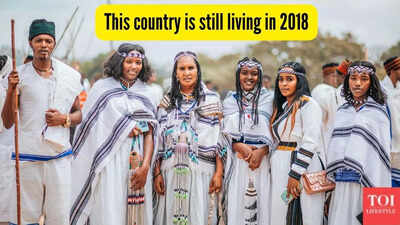
While the whole world celebrated the new year 2026, there was one country on the planet which still is in the year 2018. The country we are talking about is Ethiopia. This might be a surprise fact for many that the year is marked as 2018, while much of the world is already in another year. There are several funny and harmless jokes too that Ethiopia “seven years behind the rest of the world,”. But the truth is far more interesting! Let’s find out why? If you thought Ethiopia is living in the past, it’s not. It is just that the country follows its own official calendar which is accurate and very much alive. Let’s understand the reason:A different calendar

While most countries follow the Gregorian calendar, Ethiopia follows the Ge’ez calendar which is the country’s official calendar. Ethiopians use it in government offices, schools, religious sites, and everyday life. The unique fact about it is that the calendar is some 7-8 years behind the normally followed calendar and is closely related to the Coptic calendar of Egypt. The calendar with 13 months
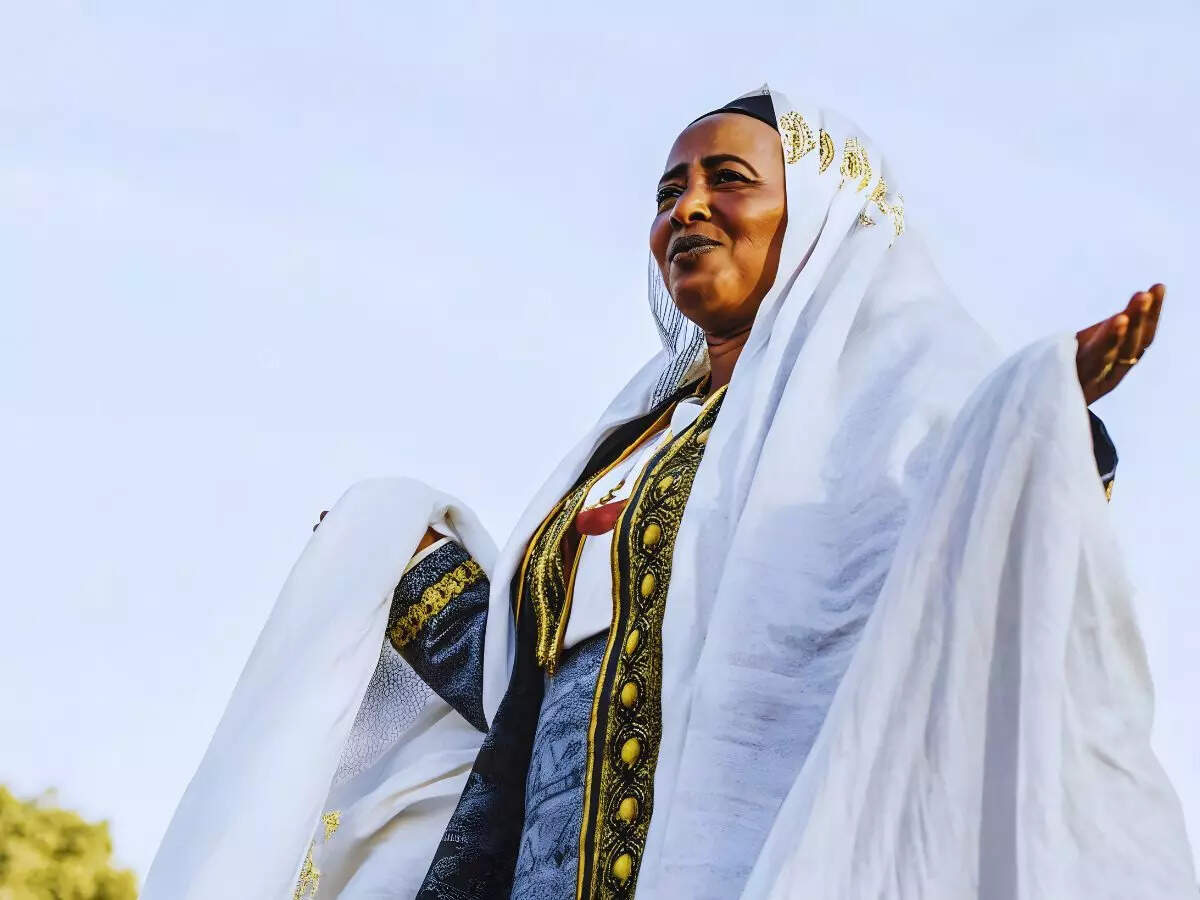
So unlike Gregorian, the Ethiopian calendar has 13 months instead of 12. It is the most distinctive feature of the Ge’ez calendar. So all 12 months are 30 days each, while the 13th month (called Pagumē) has 5 days in a normal year and 6 days in a leap year. And that’s the reason why Ethiopia is also known as the land of “13 months of sunshine.” To understand it better, the calendar follows the Sun, meaning it aligns closely with the Earth’s orbit around the Sun. Relation with birth of Jesus Christ

The main reason Ethiopia’s calendar is years behind is because the calculation is done on the basis of Jesus Christ’s birth. On the other hand, the Gregorian calendar was introduced much later in the 6th century by a monk named Dionysius Exiguus, who attempted to determine the year of Christ’s birth. Ethiopia, follows the Alexandrian and Coptic Christian tradition, which places the birth of Christ several years later than Dionysius’s calculations. As a result, the starting point of the Ethiopian calendar is different.So when the Gregorian calendar shows January 2026, Ethiopia is still officially in 2018!Different date for new year

Another striking thing about Ethiopia is that the country does not celebrate New Year on January 1. The Ethiopian New Year is called Enkutatash, which falls on September 11 in the Gregorian calendar (or September 12 during Gregorian leap years). This is the time when the Ethiopian year changes. Why Ethiopia follows different calendarThere was not much reason. When the Gregorian calendar was introduced in 1582, the whole world adopted it but Ethiopia during that time already had a working and well-established calendar. Ethiopia remains one of the few African nations that was never colonised formally and that is also one of the prime reasons why Ethiopia did not adopt the Gregorian calendar and maintained its traditions.Different but accurate

Canva
There are myriad misconceptions about the Ethiopian calendar being inaccurate. But that’s not the fact. The difference is because of historical reference points, not because there is some scientific error. Though Ethiopia uses the Gregorian calendar for international dealings, it remains effective domestically. So next time someone asks you which country is behind in years, just tell them the facts.