Congress at 140: Is the grand old party ready to make a comeback in 2026? | India News
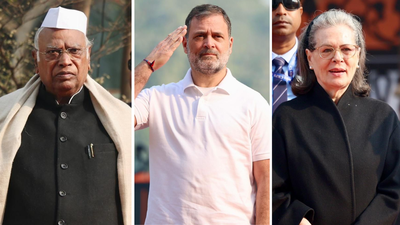
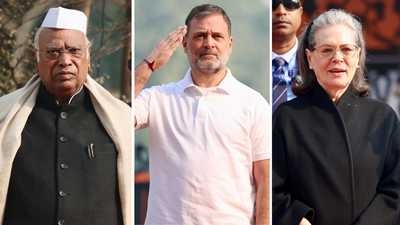
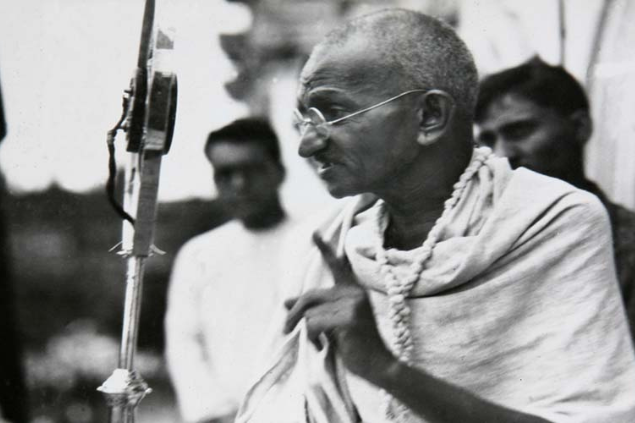
Mahatma Gandhi once envisioned a future where the Congress would quietly dissolve itself into a Lok Sevak Sangh after Independence, having fulfilled its role and returned power to the people. History, as it often does, chose drama instead. The party stayed on, grew older, heavier with legacy — and now, at 140, finds itself older than independent India and still very much in the business of electoral survival.Founded in 1885, the Indian National Congress didn’t just witness the making of modern India; it scripted large parts of it. But fast-forward to the present, and the party that once defined the political centre is struggling to locate it. The slogans are loud, the marches long, the symbolism familiar—but dominance has been replaced by damage control, and nostalgia no longer guarantees votes.
Now, stepping into its 141st year, the Congress has little time to blow out birthday candles and even less room to get things wrong. A series of assembly elections across five states is lining up as its next reality check, testing whether fresh campaign calls, revived alliances, and lessons from a bruising 2025 can finally add up. From rebranding protest politics to fighting key battles in the south and the northeast, the grand old party is once again at the crossroads — older, wiser, and under pressure to prove it still knows the way forward.
Does Congress need to change its campaign calls?
Save the Constitution, vote chori, caste survey — these are some of the battle cries Congress tried to campaign on. Rahul Gandhi walked miles for it. While the leader of the opposition in Lok Sabha may have charmed those he walked with, the votes did not enter its account.2026, however, would see a break from these campaign calls as the Grand Old Party announced nationwide protests against the BJP-led central government for replacing the rural employment scheme – MGNREGA – with VB G-RAM-G law.“We also pledge to democratically oppose every conspiracy to remove Gandhiji’s name from MNREGA,” Mallikarjun Kharge said at the CWC meet as he announced the campaign from January 5.But the question is, would the people who need the scheme relate to “conspiracy to remove Gandhiji’s name from MNREGA”?While the CWC release does highlight what it describes as the systematic dilution of MNREGA, including unilateral changes to the scheme’s structure without consultation or parliamentary debate, the beneficiaries in whose name the Congress is mobilising are unlikely to engage with or prioritise such detailed party statements.Also read: Rahul Gandhi walked 1,300 km but Congress still went downhill
Battle in the South and the Northeast
KeralaOut of the five states that are set to see ballot contests this year, Kerala, Assam and Puducherry remain the crucial ones for Congress. The party will directly face the BJP or the Left in these assembly elections.The party is riding on high confidence with a sweeping comeback in the Kerala local body polls. However, the BJP-led NDA’s Trivandrum win cannot be ignored.
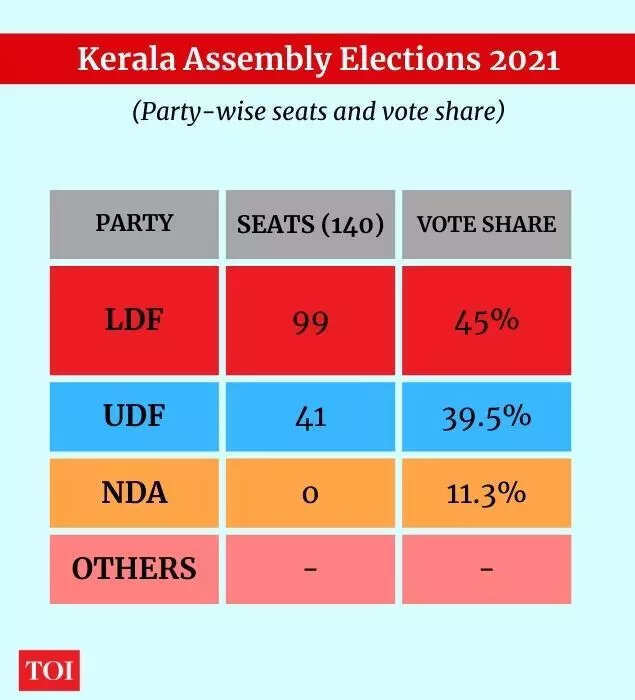
The local body election results offer the Congress-led UDF a clear strategic edge heading into the upcoming assembly polls. A pronounced anti-incumbency wave has cut through the LDF’s welfare and governance narrative, pushing the Left to its weakest grassroots position in years and denting its push for a third consecutive term.While the BJP’s expanding footprint has complicated Kerala’s traditional bipolar contest, the erosion of LDF dominance gives the UDF momentum, credibility, and a renewed claim as the principal alternative as the assembly battle approaches.AssamAfter its 2016 defeat in Assam—driven by deep anti-incumbency, alliance consolidation by the BJP, and voter frustration over corruption, jobs, and governance—the Congress is recalibrating its approach. This time, the party is foregrounding a grassroots-first strategy through its “Raijor Podulit Raijor Congress” campaign, aimed at rebuilding credibility from the bottom up. By crowdsourcing inputs for its manifesto via thousands of “aspirational boxes” and sustained community outreach across regions, the Congress is seeking to address precisely the issues that cost it power earlier: employment, fair wages for tea workers, flood management, public health, and governance delivery.At the organisational level, the Congress is also positioning itself as the anchor of a broad opposition alliance to take on the BJP, while trying to avoid the fragmentation that helped its rivals in the past.However, the decision to contest 100 of 126 seats has exposed fault lines within the alliance, making seat-sharing and coordination a key test of leadership. Balancing assertiveness with accommodation, translating consultation into votes, and countering the BJP’s entrenched narrative on identity and development remain the party’s central challenges as it looks to convert renewed mobilisation into an electoral comeback in Assam.Tamil NaduCongress finds itself walking a tightrope within the DMK-led alliance. While it wants to improve its bargaining position by pressing for a higher number of seats, the party has to contend with its relatively weak independent base in the state and the DMK’s clear upper hand.
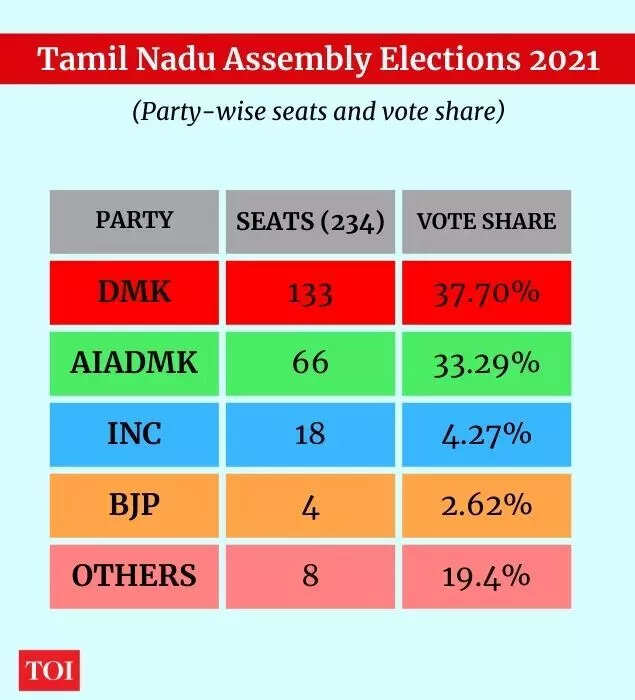
The party’s challenge lies in projecting relevance and cohesion without appearing disruptive, ensuring smooth coordination at the grassroots for vote transfer, and managing internal ambitions—all while avoiding strain in a long-standing alliance that remains crucial for its electoral survival in Tamil Nadu.Conflicting actions by individual leaders, including high-profile meetings outside the alliance framework, have added to doubts about unity and discipline, even if these are intended mainly to strengthen Congress’s hand in talks. West BengalCongress heads into the West Bengal polls facing an existential challenge shaped by years of steady decline and shrinking political space. From being a significant player with strongholds in Malda and Murshidabad a decade ago, the party has slipped into near irrelevance, drawing a blank in the 2021 assembly election and losing even its traditional bases. This collapse has coincided with the BJP’s rapid rise as the principal opposition to the Trinamool Congress, leaving Congress squeezed out of the bipolar contest. Compounding the problem is Mamata Banerjee’s clear insistence on going it alone, shutting the door on any meaningful alliance and reducing Congress’s bargaining power to zero.
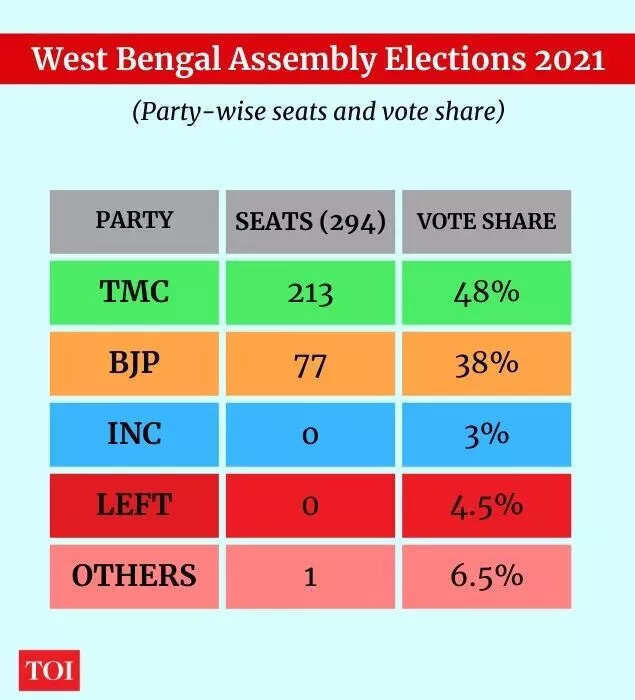
With no dominant leader, weak organisation, and little clarity on whether it is fighting for seats, vote share or mere visibility, Congress enters the 2026 battle not just struggling to regain relevance, but fighting to remain a credible political force in Bengal at all.
Team Rahul vs Team Priyanka
The recent remarks from within and around the Congress have given fresh momentum to the question of whether the party is informally sounding out Priyanka Gandhi Vadra as a larger leadership option amid its ongoing churn.
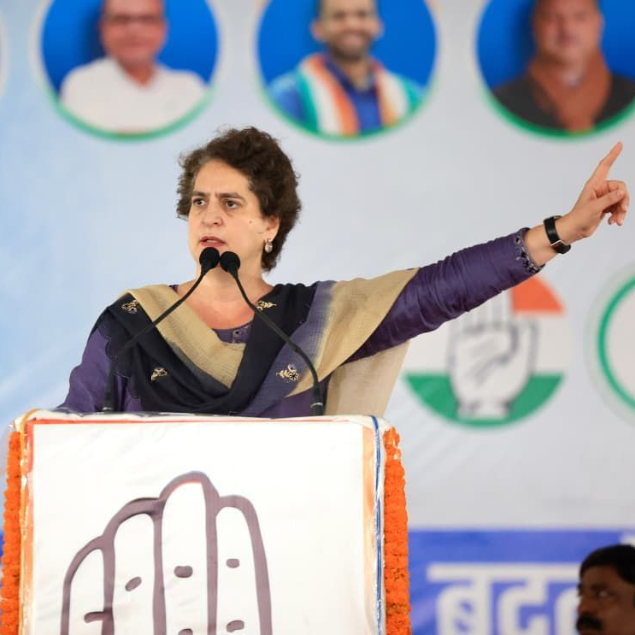
Priyanka Gandhi The letter by former Odisha MLA Mohammed Moquim, questioning Mallikarjun Kharge’s effectiveness and explicitly citing age and youth disconnect, reflects a deeper anxiety within sections of the party about stagnation and electoral drift. Endorsements of Priyanka—ranging from Imran Masood’s projection of her as a prime ministerial face to Robert Vadra’s acknowledgement of growing demands—suggest an undercurrent that sees her as a potential unifying figure who could reconnect the party with voters. Rather than a clear leadership challenge, the episode points to a Congress struggling to balance generational renewal, organisational reform and its continued reliance on the Gandhi family, with Priyanka emerging less as a declared alternative and more as a symbol of unresolved succession questions.
Rahul was visible, a little too much? A lookback at 2025
2025 was a year of motion without payoff for the Congress. Rahul Gandhi’s 1,300-kilometre march through Bihar—spanning 25 districts and 110 seats—came loaded with slogans, symbolism, and carefully curated local flavour. From gamchas and Bhojpuri soundbites to makhana and motorbike rides, the outreach was exhaustive. The results were not. Voters showed up, but they did not line up behind the Congress, leaving the party staring at one of its weakest performances in the state and once again exposing the gap between optics and organisation.
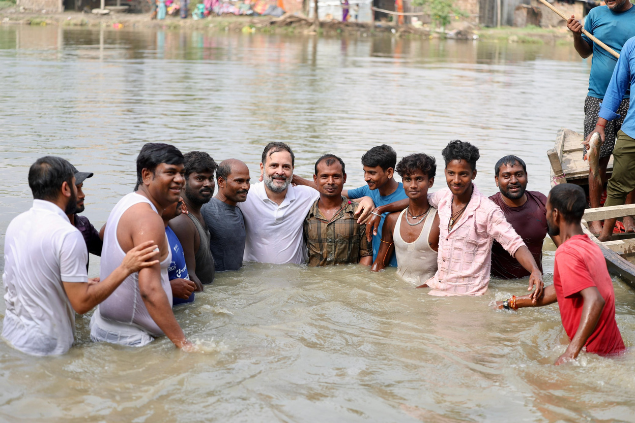
That disconnect played out across the electoral map. The promise of 2024’s Lok Sabha showing evaporated in the 2025 Assembly elections in Haryana, Maharashtra, Madhya Pradesh, Rajasthan, and Delhi. Haryana slipped away amid factional squabbles and the absence of a decisive state leader. Maharashtra saw alliance fatigue within the MVA blunt Congress’s impact. In Madhya Pradesh and Rajasthan, the BJP’s machine, backed by Narendra Modi’s enduring pull, steamrolled Congress campaigns. Delhi remained a write-off. Jharkhand stood apart, where the Congress survived by riding on the back of a strong JMM alliance and a welfare-driven pitch—less a revival than a reminder of where the party still works.Rahul Gandhi ensured the Congress never vanished from the headlines, sharpening his attacks with claims of “vote chori” and warnings of systemic voter fraud. The rhetoric kept the narrative alive, but elections are won on the ground, not in press conferences. By the end of 2025, the verdict was hard to miss: the Congress can still set the conversation, but without organisational discipline and credible state leadership, it continues to lose the contest.