H-1B visa in 2025: A year that changed how America screens, selects and retains talent
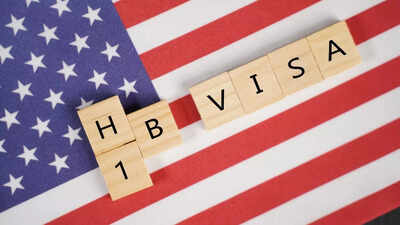
In 2025, the H-1B visa system underwent an array of changes that reshaped how skilled foreign workers and their employers engage with US immigration. What began as procedural changes evolved into structural shifts touching vetting, costs, and the allocation of visas. The year will close with policy decisions that will affect not only employers and applicants this year but also how the programme operates into 2026.
September 2025: New $100,000 fee imposed on certain petitions
On September 19, 2025, the Trump administration issued a proclamation titled “Restrictions on Entry of Certain Nonimmigrant Workers” that introduced a new fee structure for H-1B visas. Under the proclamation, employers seeking to bring certain foreign workers into the US were required to pay a fee of $100,000 with new H-1B visa petitions filed overseas. This was presented as part of a broader effort to curb programme misuse and raise the economic threshold for hiring foreign workers.
Further clarification at the time revealed that the fee applied only to new petitions filed abroad for entry into the United States, not to extensions or change-of-status applications for individuals already in the country.
Interview waiver elimination and procedural tightening (Mid-year)
During the mid-2025 period, the US State Department and US Citizenship and Immigration Services (USCIS) eliminated much of the interview waiver (“drop-box”) programme that formerly allowed certain nonimmigrant visa renewals to proceed without an in-person interview. This change meant that H-1B and H-4 visa renewals, as well as other nonimmigrant categories, required consular interviews regardless of prior clean histories. This procedural shift aimed to standardise screening but lengthened processing for many applicants who previously qualified for accelerated renewal paths.
Late 2025: Social media vetting expanded to H-1B and H-4
On December 3, 2025, the Department of State formally announced the expansion of its online presence review to all H-1B and H-4 visa applicants. Effective December 15, 2025, every candidate in these categories must make all social media profiles publicly viewable during the visa process to facilitate screening by consular officers. The policy does not specify particular platforms or red flags, but instructs that public access be provided for routine vetting. This expanded screening is framed as a national security measure and part of every visa adjudication, not an optional check. US authorities may review publicly available posts, interactions, and affiliations to verify biographical data and assess potential threats. The implementation of this requirement has caused operational challenges at US consulates abroad. Many H-1B and H-4 interview appointments scheduled after the compliance date were cancelled or rescheduled to accommodate the new process, affecting applicant timelines.Reports from applicants in India indicate that these delays, combined with the deeper vetting, have extended wait times for stamping and have been attributed to outcomes such as rescheduled appointments and heightened case processing.
Structural reform: End of random H-1B lottery
Towards the end of 2025, the Department of Homeland Security moved to eliminate the traditional random lottery system for H-1B visa selection. The new “weighted” allocation system will prioritise applicants based on higher wages and qualifications. Although slated to take effect for the FY 2027 cap season beginning February 27, 2026, the rule-making and publication occurred in late December 2025. Under the new rule, registrations from higher-paid and more highly skilled prospective workers receive multiple entries into the selection pool relative to lower wage tiers. This adjustment aligns the visa allocation more closely with stated goals of protecting US wages and labour conditions, but has been criticised for potentially reducing access for entry-level roles and small employers.
What the year’s changes add up to
By year’s end, three clear policy directions had emerged for the H-1B programme in 2025:Enhanced vetting: Digital footprints through social media have become a formalised part of visa eligibility assessments for both primary workers and dependants. Cost barriers: New financial requirements apply to certain overseas petitions, reshaping employer decisions on when and how to file. Selection reform: The lottery overhaul reflects a shift toward prioritising wage and skill metrics in allocations.These developments reflect an immigration system in transition, where administrative policy, national security considerations, and labour economics intersect. In practical terms, employers and applicants alike must navigate deeper vetting, potential delays, and different cost and selection structures heading into 2026.