
8 foods that support gall bladder function |
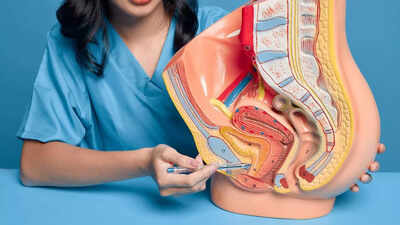
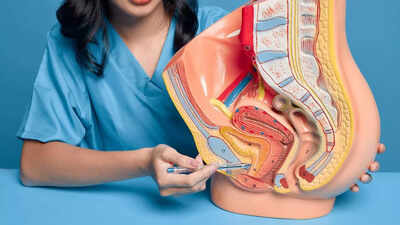
The gall bladder is seldom brought up in conversation until it is out of order. This little, pear-shaped organ lies just under the liver and is the main player in digestion by storing and releasing bile, a fluid that is absolutely necessary to break down fats in the diet. When bile is not flowing smoothly or its composition is changing, digestion becomes slow and uncomfortable, and sometimes it leads to the formation of gallstones or ongoing digestive distress. With the rising interest in gut health, people have become more conscious of their daily dietary habits that affect the production and release of bile. A gut health expert’s sharing an image on Instagram that calls attention to eight everyday foods linked with the function of the gall bladder indicates how our routine food choices intersect with this neglected digestive organ.
What foods help gall bladder function and how
The visuals emphasise eight plant-based foods and healthy fats that are consumed by many and are easy to identify. Each one is linked to a particular aspect of the gall bladder function, like bile production, bile flow, cholesterol balance, or liver support. In this way, they demonstrate how different parts of the diet work together with digestion instead of being totally separate. These foods are not put forward as medicines, but as the elements that correspond to the normal digestive system and bile circulation.
- Apples
- Avocados
- Leafy greens
- Artichokes
- Olive oil
- Turmeric
- Lemon
- Beets
1. Apples
Apples are emphasised for their pectin content, which is a type of soluble fibre found in both the flesh and the skin of the fruit. Soluble fibre interacts with various substances in the digestive tract, among them cholesterol, which is one of the main components of bile. The balance of cholesterol in bile determines how easily it flows through the gall bladder and bile ducts.
- Contains soluble fibre known as pectin
- Associated with binding excess cholesterol
- Linked with maintaining healthy bile composition
- Consumed fresh, stewed or baked
2. Avocados
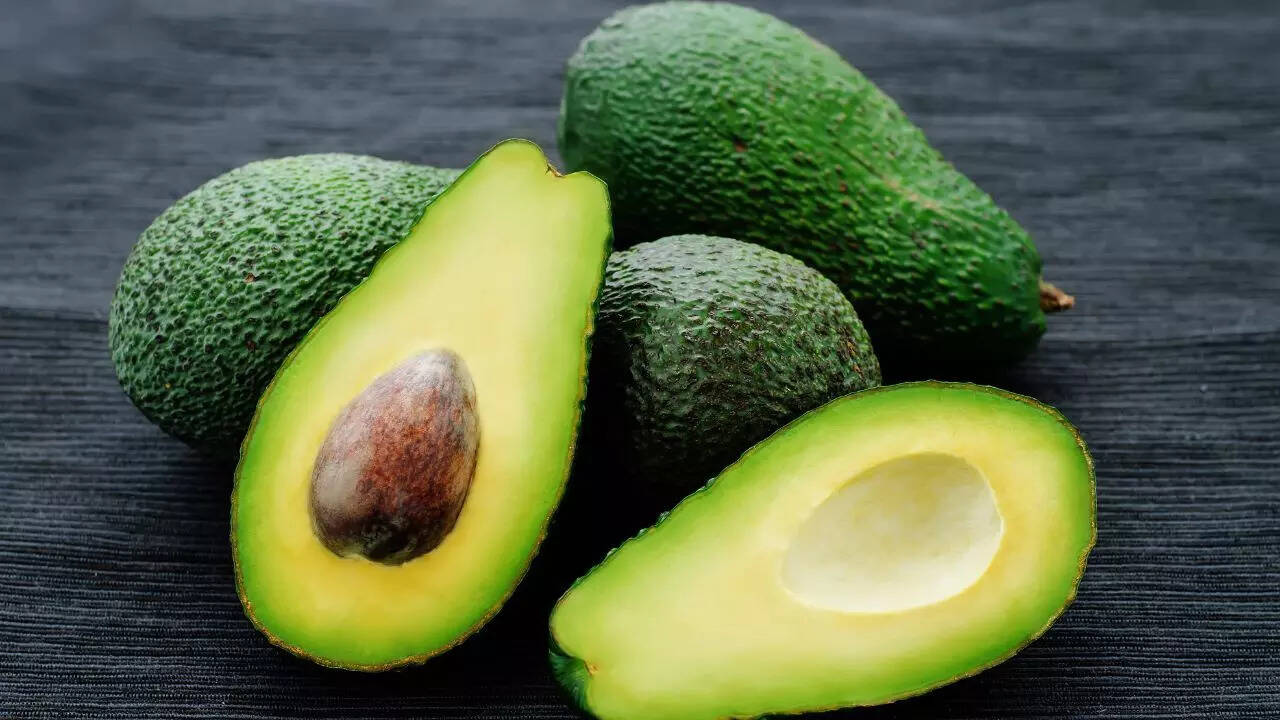
Avocados are described as a source of good fats that help bile production. When there is fat in the meal, the gall bladder gets the signal to contract and release bile into the intestine. This makes the fats easier to digest and absorb.
- Rich in monounsaturated fats
- Trigger gall bladder contraction during digestion
- Support absorption of fat-soluble nutrients
- Commonly eaten raw or mashed
3. Leafy greens
Leafy greens like spinach, kale and Swiss chard are associated with their magnesium content in the image. Magnesium is an element that helps muscle function all over the body, including the smooth muscles that are responsible for gall bladder contraction.
- Provide magnesium and plant compounds
- Support normal gall bladder movement
- Contribute to overall digestive regulation
- Easily added to meals in varied forms
4. Artichokes
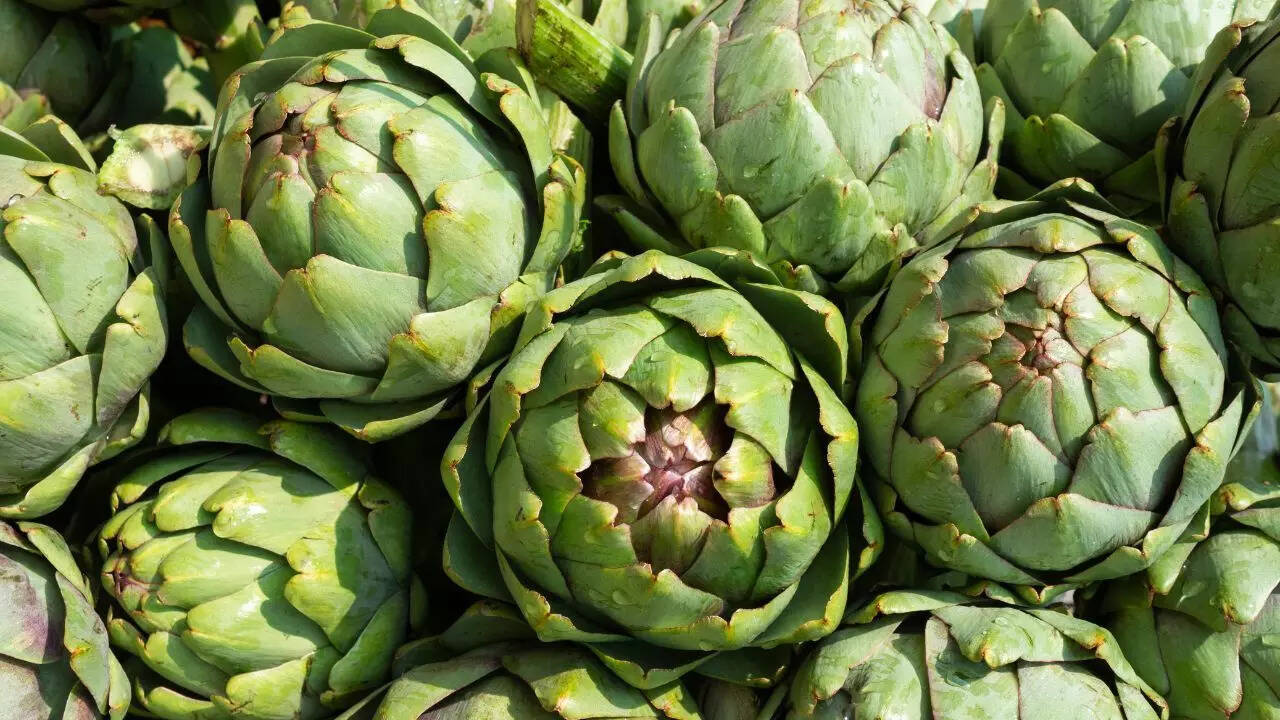
Artichokes are presented as physiologically beneficial for bile production and digestion. They have conventionally been connected to digestion due to their bitterness, as bitter compounds are typically linked with digestive secretions.
- Complement bile secretion
- Contribute to digestive comfort after meals
- Have naturally occurring plant chemicals
- Are usually eaten cooked rather than raw
5. Olive oil
Olive oil is featured as a main factor for smooth bile flow and gallstone prevention. Being a dietary fat, it leads to the release of bile from the gall bladder, which is why bile does not get too concentrated during storage.
- Monounsaturated fatty acids are the main source
- Regular bile release is encouraged
- Balanced bile concentration is supported
- Both raw and cooked are ways of usage
6. Turmeric
Turmeric is introduced as a spice that aids bile production and gall bladder function. One of the main reasons for the bright yellow colour of the spice is curcumin, a compound that has been very well researched for its role in digestion.
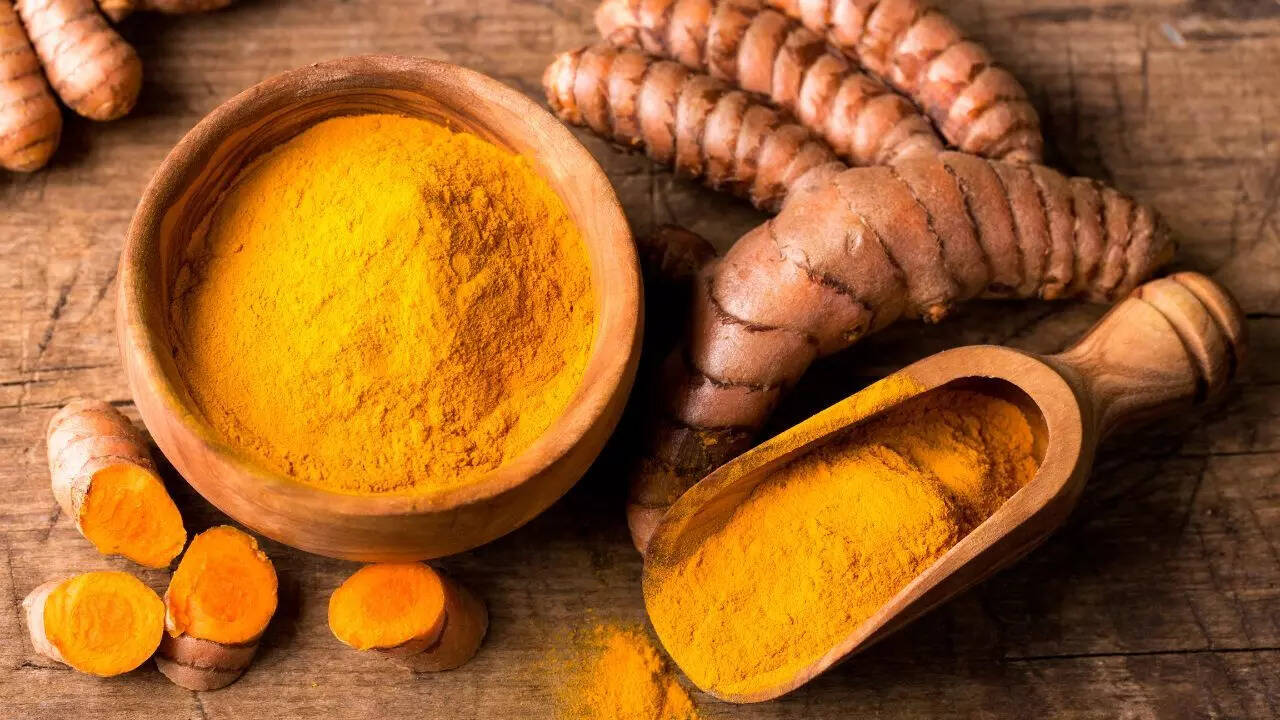
- Traditionally used for cooking and in medicine
- Linked with bile secretion
- Supports liver and gall bladder interaction
- Used in small amounts regularly
7. Lemon
Lemon is presented as a liver detox and an agent that produces bile. The liver produces bile continuously, and citrus fruits are generally referred to as the main digestive activity.
- Contains citric acid and antioxidants
- Associated with bile production
- Mostly consumed as juice or zest
- Used to flavour meals and drinks
8. Beets
Beets have been demonstrated to be beneficial in thinning bile and aiding liver detoxification. Excessively thick bile that is too thick can travel slowly through the gall bladder, thus making its consistency an important factor in gall bladder health.

- Provide fibre and natural pigments
- Associated with bile flow
- Help liver-related processes
- Consumed cooked, raw or juiced
Incorporating these foods and why gall bladder health matters
The gall bladder is a closely related organ to the liver, which helps digestion, especially after meals containing fat. When bile flows without any obstruction, fats are broken down very well, and nutrients can be absorbed without any digestive system strain. Adding the foods shown in the image does not necessitate restrictive eating patterns, but rather consistent inclusion across meals. A diet that is supportive of bile production and movement also promotes digestive balance. The gall bladder should be seen as a part of an interconnected system rather than an isolated organ.
- Include a variety of fruits, vegetables and healthy fats in the diet
- Fat intake should be spread evenly across meals
- Plant foods should be rotated to ensure dietary diversity
- Herbs, spices and oils should be used regularly
- Maintain balanced meals to support digestion
Also Read | This is what happens if you eat one avocado every day for 30 days