
5 dogs that sleep the most; number 1 barely moves for hours |
Some dogs wake up ready to sprint, others open their eyes, look around once, sigh and decide the day can wait a little longer. Sleepy dogs are not lazy by nature, they just carry a calmer rhythm that fits indoors better than endless running. Many of these breeds were once working companions that saved their energy for short bursts, and now that working life has faded, the napping has stayed. Anyone who has lived with a heavy sleeper knows the routine: they follow you for food, sit nearby for a bit of affection, stretch like it takes effort, and then return to the same warm spot as if the day has already been long enough.While every dog has its own pace, some breeds truly turn resting into an everyday lifestyle. They enjoy short walks, steady company and a familiar cushion, often ignoring the doorbell if it sounds like too much effort. Below is a list that shows how deeply some dogs commit to sleep, and yes, number one genuinely treats stillness like a calling.
5 dog breeds that sleep the most
1. English bulldog
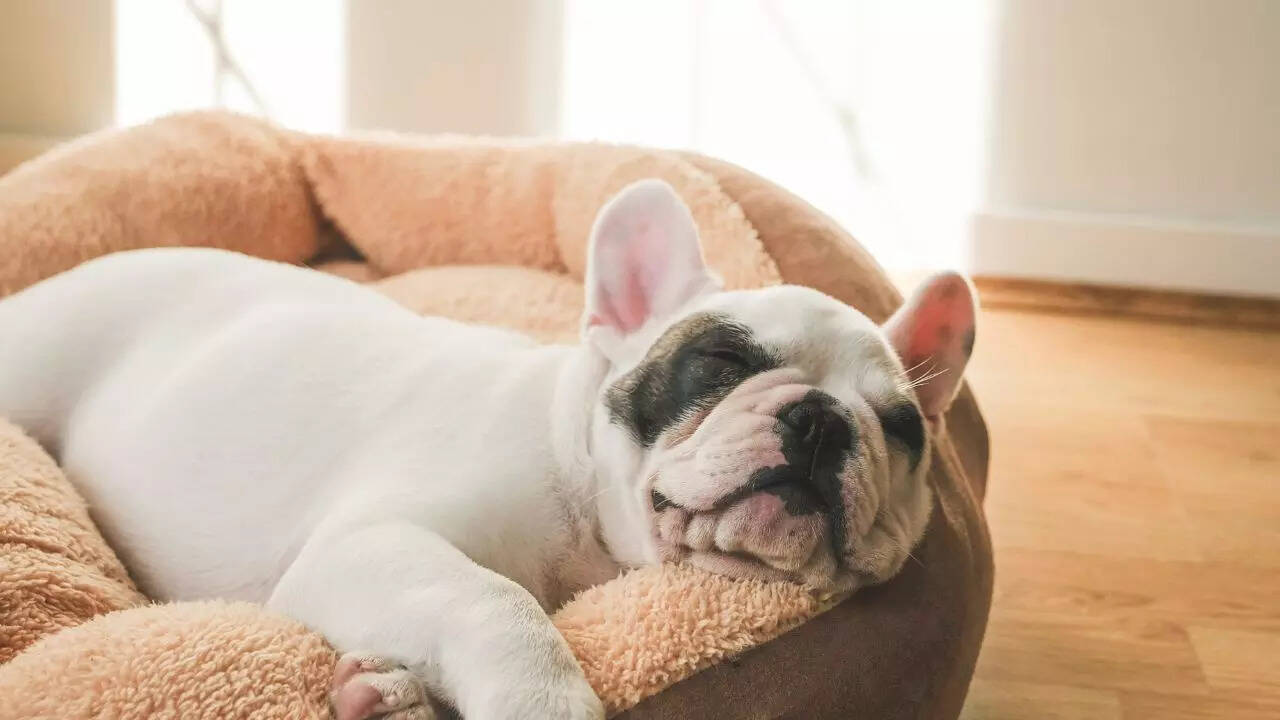
The English bulldog could win medals for stillness. Once settled, this dog becomes part of the furniture in the most literal sense. Their compact, solid bodies hold a lot of warmth, so napping on cool floors or shaded corners becomes natural. They enjoy short strolls but dislike overexertion, especially in humid or hot weather, and after a slow walk they often lie down with a sigh that suggests the outing was quite enough. A bulldog half asleep can snore gently or loudly depending on mood, and waking them up sometimes earns an unimpressed stare before they slowly adjust and find another position to sleep in again.
2. Basset hound

The basset hound gives off the energy of someone who has seen everything and does not feel the need to rush. Their short legs and sturdy frame mean walking takes effort, so once home, they stretch out, ears slipping across the floor like curtains. They nap between meals, rising mainly to sniff around or greet family members. A basset does not look thrilled about being disturbed mid-sleep, but they rarely complain; they simply shift positions and resume resting. While they can follow a scent trail for hours outdoors, indoors they prefer silence, warmth and idle thoughts.
3. Saint Bernard

Despite their history of dragging barrels through snow in rescue settings, Saint Bernards are surprisingly gentle and slow indoors. Their sheer size means moving uses energy, so conserving it becomes instinct. They lean against people for reassurance, then slide down to the floor and sleep beside whoever sits still long enough. Saint Bernards can sleep through noise, daylight and household activity without flinching, waking mainly for food or affection. A short walk and mild play session usually settle them for the afternoon, where they snooze as if every nap helps restore calm.
4. Great Dane
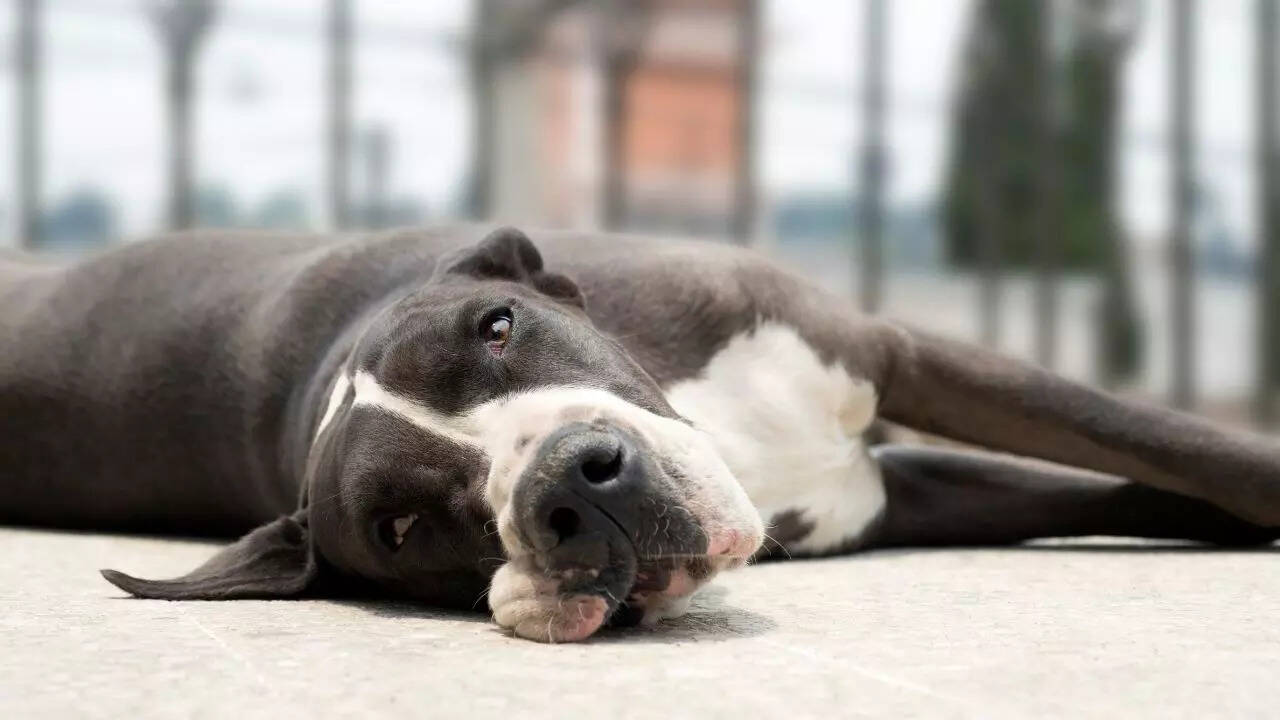
A Great Dane looks capable of leaping fences, yet most spend long afternoons lying in uncomfortable positions that somehow work for them. They enjoy comfort but are often too large to fit neatly on sofas, so limbs spill over edges in dramatic fashion. Though their size makes first-time owners expect boundless energy, the reality is steady, gentle movement followed by generous rest. Once inside, they nap in intervals, occasionally lifting their head to check the room before collapsing again. They do not waste energy, they manage it.
5. Shih Tzu

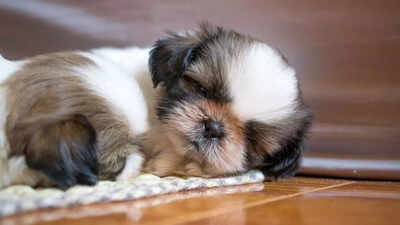
The Shih Tzu may be small, but their dedication to lounging is impressive. Historically bred to sit close to people, they still follow that pattern today. Short walks and brief play sessions keep them content, and once tired they curl up wherever a soft blanket or lap waits. They drift in and out of light sleep, half watching the world and half ignoring it. Their small size means they do not need long exercise sessions, and the rest of the day feels designed for dozing and comfortable company.These five breeds nap more than most, yet each one brings warmth and steady companionship into daily life. Their sleepiness is not a flaw, just part of their nature. They remind people that not every moment demands action and that comfort can be shared quietly. Living with a naturally sleepy dog often creates a slower rhythm at home, full of small walks, quiet afternoons and a predictable soundtrack of gentle snores drifting from the corner.Also read| Why your cat stares at you in the middle of the night