

These common lawn grasses may be quietly attracting mice to your yard
Have you ever found small footprints on your patio during the night or tiny droppings near your flower beds and thought it was just an illusion? Well, it may not be an illusion after all. Your lawn might be a welcome place for mice. Mice activities are influenced by many factors, but the type of grass you plant is still the most important one. Some grasses become thick, dense, and messy, thus providing mice and other small rodents with the perfect hiding places and their usual routes. These animals are very clever in using vegetation cover to move around without being seen by birds of prey and neighbourhood cats. Knowing which grass types are likely to be mouse magnets can help you in making better lawn decisions that not only keep your yard looking nice but also do not allow rodents to build their highway in your lawn.
How yard vegetation influences mouse activity
Mice are fearful characters, and therefore, they always look for places that can shelter them. Shelter is what they can easily escape from, hide from predators in and find food in without being noticed. Dense, tall or uneven grass gives them the feeling that they are covered in safe corridors, pathways that they can use without anyone seeing them. A study named Clinical course of postthrombotic syndrome in children published in the National Library of Medicine has pointed out that the structure of a habitat, specifically the type of ground cover and density of vegetation, has an important influence on small rodents, their number and their movements around homes and gardens. To put it simply, if you have a lot of cover, then mice will definitely see your yard as their playground and use it more frequently.Grass varieties that tend to attract mice 1. Tall fescue
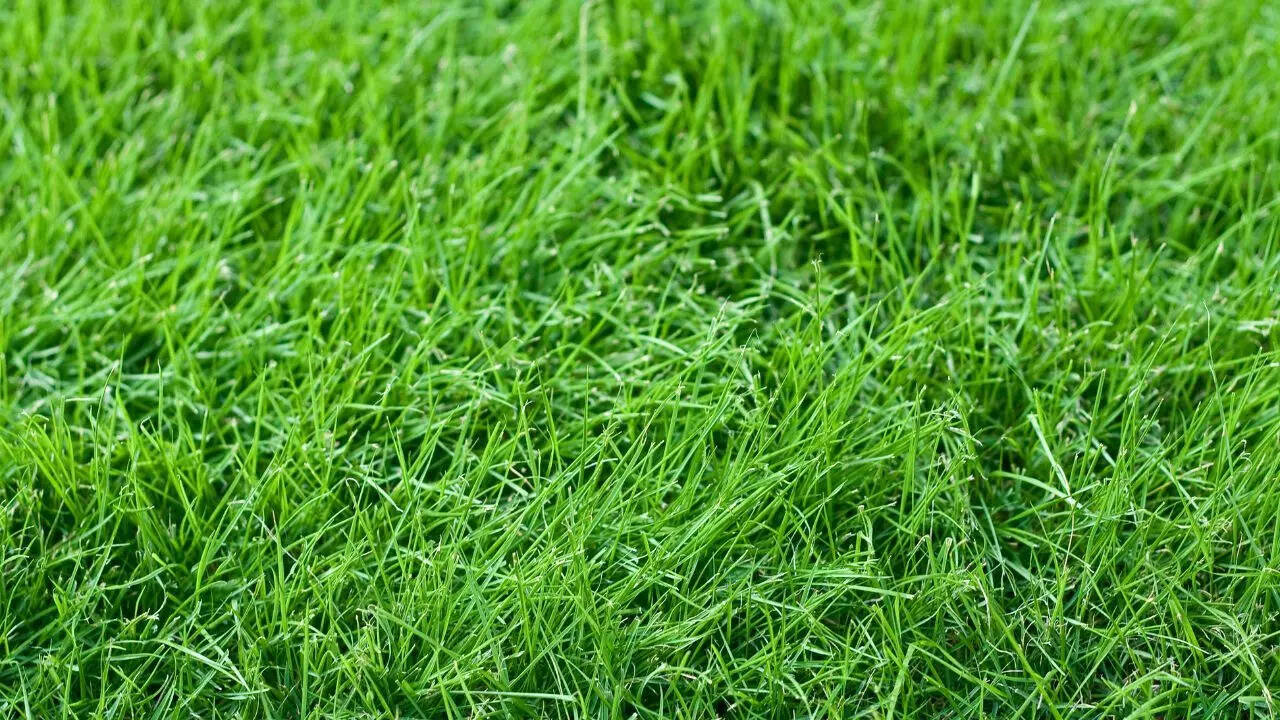
Tall fescue is strong and maintains its green colour, which makes it a lawn’s most popular choice. The problem? Its thick blades and deep roots provide very good hiding places for mice, that is, if you have stretched it out.2. Ryegrass mixes

Ryegrass is usually closely packed together. Those tightly packed parts can be a small labyrinth to a mouse, thus perfect for moving around without being seen. Gardeners who take ryegrass as their base sometimes find rodents that way more frequently.3. Overgrown bermuda grass
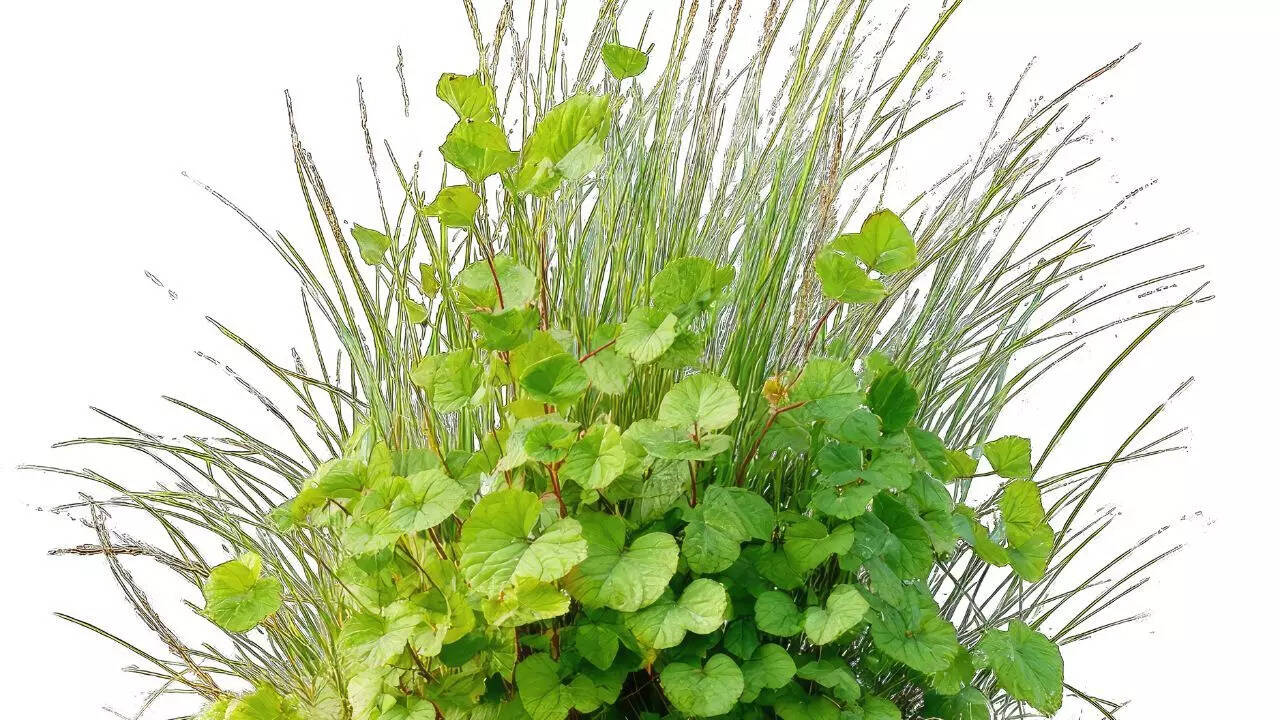
Bermuda grass is perfect for lawns that are heavily used, but if it is left for a long time, it can develop thick patches. These patches provide mice with a hiding place from their predators and make your yard look like a mouse highway.4. Native and meadow

Native grasses and meadow blends attract biodiversity, but if not trimmed regularly, they can grow to resemble a mini savanna. This tall, untrimmed cover is excellent shelter for small rodents.5. Clumping ornamental
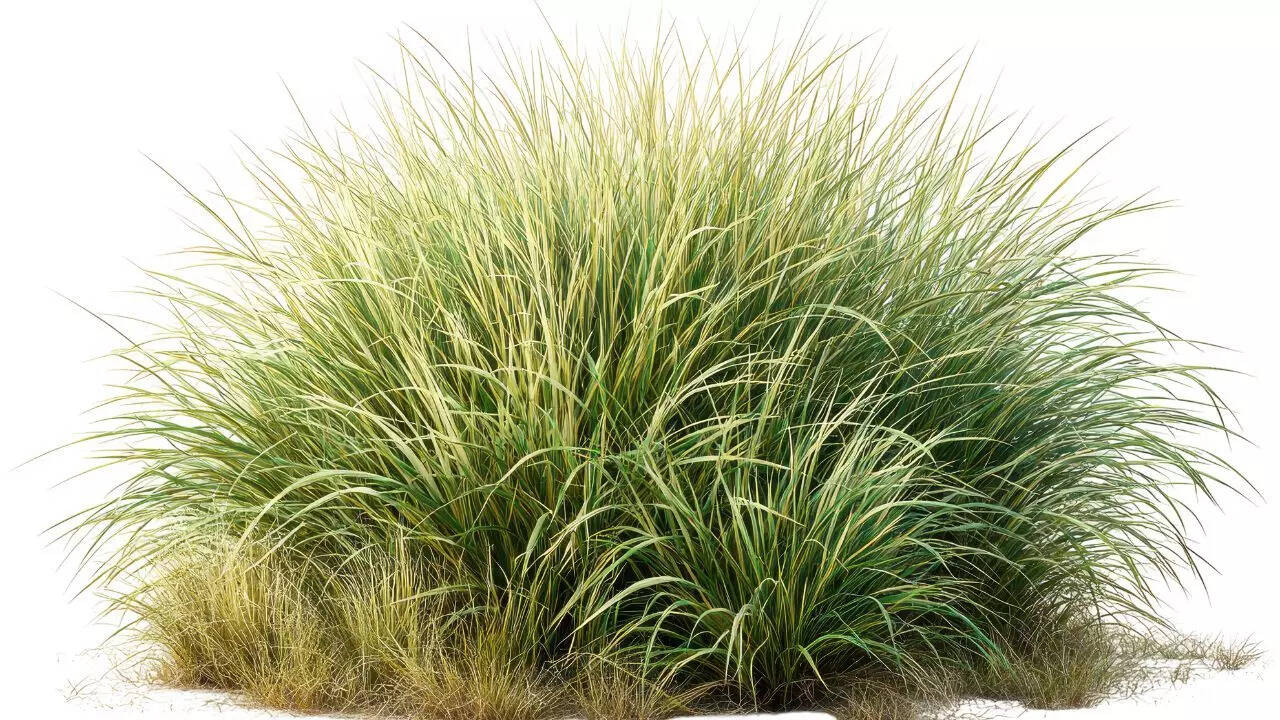
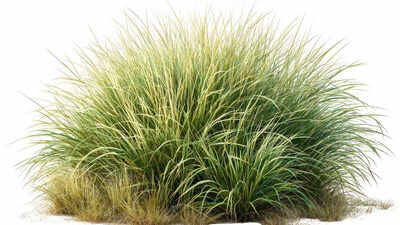
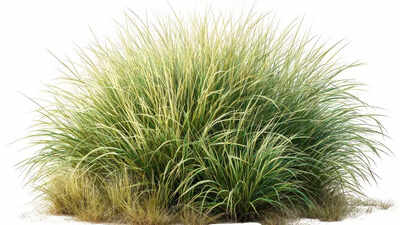
Grasses such as pampas grass or fountain grass are lovely, but they become dense in one area, thus forming thick clumps. These clumps are likened to nest sites and hideaways, which mice prefer because they provide protection and shade.Why this matters for your yardThe majority of mice are not here to be pests; they are just following their natural shelter and safety instincts. A lawn with tall, dense grass or uneven ground cover offers these little creatures a feeling of being protected from hawks, cats, and even neighbour dogs. If you add a bird feeder or vegetable patch nearby, then you have unknowingly created a mouse buffet with comfortable accommodations.Ways to make your backyard a little less inviting for mice
- Mow regularly: Rodents will have a harder time hiding in long grass.
- Trim ornamental grasses: Keeping your clumps neat will prevent them from becoming secret places for rodents.
- Clear debris: Leaves, branches, and other parts of the lawn are the perfect nesting material; therefore, you should get rid of them immediately.
- Edge garden beds: Well-defined edges between the lawn and plant beds make it difficult for rodents to create their trails.
- Place gravel near foundations: Rather than using dense ground cover, you can make stone or gravel borders.
Mice are pests that no one would like to have in their yard. The great news is that a lot of lawns become less attractive to rodents just by cutting the grass to the proper height and managing its structure. By carefully deciding what type of grass to plant and taking good care of the vegetation, you will be able to have a lush yard that is less likely to be visited by mice.Disclaimer: The present article is only for general information and should not be considered a substitute for professional advice regarding pest control or landscaping.Also read | How to get rid of ants in plant soil without harming your plants