

Why talking while driving is more dangerous than you think |
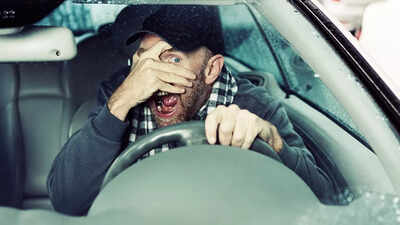
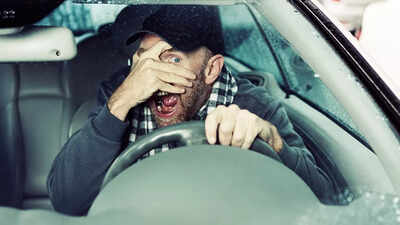
Most drivers think they can multitask. Talking while driving isn’t something they would mind. Be it a casual conversation with a passenger or a hands-free call to kill boredom, most of them think it’s harmless. After all, the hands remain on the wheel, and eyes are on the road. But is talking really that harmless? Not, really. Though we knew talking while driving is a major distraction, the reason behind it remained unclear. The researchers from Fujita Health University have now found that such seemingly harmless conversations can delay eye movements, which are essential for safe driving. The findings of the study are published in the journal PLOS One.
Talking while driving is more dangerous than you think
Though previous research has shown that cognitive distraction can slow braking or reduce situational awareness, the question of whether talking disrupts the inevitable gaze processes that precede physical reactions remained unanswered. That’s what the researchers of Fujitha Health University looked at. The researchers found that talking imposes a cognitive load strong enough to delay essential eye-movement responses, potentially affecting the fast visual assessments required for safe driving.
Why gaze matters
The study led by Associate Professor Shintaro Uehara and the team, including Mr. Takuya Suzuki and Professor Takaji Suzuki, looked at how talking alters the temporal dynamics of gaze behavior. Gaze behaviour is crucial because approximately 90% of the information used for driving is acquired visually. This is why any delay in initiating or completing eye movements can cascade into slower recognition of hazards, reduced accuracy of visual scanning, and delayed motor responses. “We investigated whether the impact of talking-related cognitive load on gaze behavior varies depending on the direction of eye movement,” Dr. Uehara said.
What did they find?
To understand this, the researchers analysed 30 healthy adults and asked them to perform rapid center-out eye-movement tasks under three different conditions: talking, listening, and a no-task control. They were asked to look as quickly and accurately as possible toward a peripheral visual target presented in one of eight directions. During the talking condition, participants answered general knowledge and memory-based questions. Similarly, in the listening condition, they simply listened to spoken passages. These conditions were tested on separate days to avoid fatigue or learning effects.The researchers found that talking results in clear and consistent delays in three key temporal components of gaze behavior:
- the time needed to initiate the eye movement after target appearance (reaction time)
- the time needed to reach the target (movement time)
- the time needed to stabilize gaze on the target (adjusting time).
These delays may appear small on paper; however, on the road it may mean danger. “These results indicate that the cognitive demands associated with talking interfere with the neural mechanisms responsible for initiating and controlling eye movements, which represent the critical first stage of visuomotor processing during driving,” Dr. Uehara said. Focusing on the road while driving is so crucial. It could mean the difference between life and death at times, not just yours, but your loved ones and even the pedestrians or other drivers. The message is clear and loud. When you talk while driving, your eyes may already be a step behind. Note: The information provided in this article is for educational purposes only and is not intended as medical advice. Always consult a qualified healthcare professional before starting any new medication or treatment, or before changing your diet or supplement regimen.