

Why experts are quietly moving away from the indoor 19°C rule |
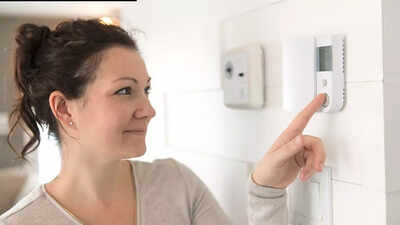

Most heating advice arrives as a number. Set the thermostat here. Do not go above that. For a long time, 19°C was the number people were told to trust. It appeared in winter campaigns and energy tips, often without much context. Many households followed it out of habit rather than conviction. Yet homes do not all behave the same way, and neither do the people inside them. What felt sensible decades ago is now being quietly reconsidered. New research into indoor health, moisture, and modern heating systems suggests that treating 19°C as a hard rule may no longer serve its original purpose.
Where the 19°C advice came from
The idea dates back to a period when fuel was scarce and buildings leaked heat. During the energy crises of the 1970s, lowering indoor temperatures was a straightforward way to reduce demand. At the time, insulation standards were poor, and heating controls were basic. A single recommended temperature was easy to communicate and easy to measure.Over time, that figure stopped being guidance and started feeling like a rule. It stayed in circulation long after homes and heating systems had moved on.
Why health experts are questioning cold indoor temperatures
Medical guidance now places greater emphasis on indoor comfort and long-term exposure. According to the World Health Organization, living for extended periods in cold indoor environments increases the risk of respiratory- and heart-related illnesses. The impact is stronger for older people, young children, and those with existing conditions.Cold rooms also affect sleep and recovery. People may not always notice the effects immediately, but they build up over time.
What temperature ranges are advised today
Rather than pointing to one figure, current advice focuses on ranges. Many public health and energy bodies now suggest indoor temperatures between 18°C and 21°C, depending on how a space is used.Rooms where people sit for long periods tend to benefit from slightly higher warmth. Areas used briefly can be cooler. The emphasis is on avoiding long spells below 18°C rather than hitting a precise target.
Does turning the heating down really save money
Lower settings do not always lead to lower bills. In well insulated homes, letting temperatures drop too far can make heating systems work harder later. Reheating cold walls and floors takes time and energy.Modern boilers and heat pumps are often designed to run steadily. Frequent stops and starts can reduce their efficiency. In some cases, a stable temperature uses less energy than repeated cooling and reheating.
Why damp and mould are part of the discussion
Underheating creates cold surfaces. When warm air meets those surfaces, moisture forms. This is how condensation begins. Over time, it leads to damp patches and mould growth.Mould affects buildings, but it also affects people. It can worsen asthma and cause ongoing respiratory irritation. Keeping rooms consistently warm helps reduce the temperature differences that allow condensation to form.
The role of humidity inside the home
Temperature alone does not tell the whole story. Humidity plays an equally important role. Cold air cannot hold much moisture, so water collects on windows, walls, and hidden corners.Experts usually advise keeping indoor humidity below 60 percent. Simple steps help. Short periods of ventilation, even in winter, allow moisture to escape. Extractor fans in kitchens and bathrooms remove damp air before it spreads.
How modern heating controls change things
Many homes now use smart thermostats and thermostatic radiator valves. These tools allow heating to respond to real conditions rather than fixed schedules. Rooms can be warmed based on use, time of day, and outdoor temperature.Instead of heating the whole house the same way, warmth can be delivered where it is needed. This reduces waste without sacrificing comfort.What this shift means in practiceThe change from the 19°C regulation doesn’t mean that people should consume more energy. It shows that we know more about how homes work now. Balance, not constraint, is what makes things comfortable, healthy, and efficient.There isn’t a single figure that works for everyone. Instead of following an outdated guideline that was never meant to be permanent, you might want to pay greater attention to how consistent, wet, and warm your home is.