
How this common medication may carry more risk than relief: A new study on tramadol
Tramadol has long been a go-to option for people dealing with ongoing pain. Doctors often reach for it because it seems milder than stronger opioids. But new research raises serious questions about whether the risks make it worth the prescription. This study was published in BMJ Journals.
A closer look at the study
Researchers dug into 19 high-quality trials that included over 6,500 adults with chronic pain conditions like osteoarthritis, back pain, nerve pain, and fibromyalgia. These studies, were then comapred tramadol to a placebo over periods from two weeks to four months. The team used strict methods, including meta-analysis and something called trial sequential analysis, to combine the data reliably. They rated the evidence carefully, noting high risks of bias in many trials, which means the benefits might look better than they really are.
How little it helps with pain
What stood out was how little tramadol actually helps with pain. On a standard 0-to-10 pain scale, it lowered scores by less than one point on average, specifically 0.93 points. What good use a medicine is, when it can’t do what’s intended? Think about it!Experts consider a drop of at least one point meaningful for patients in daily life. This small change means many people probably would not notice much difference.
Side effects that pack a punch
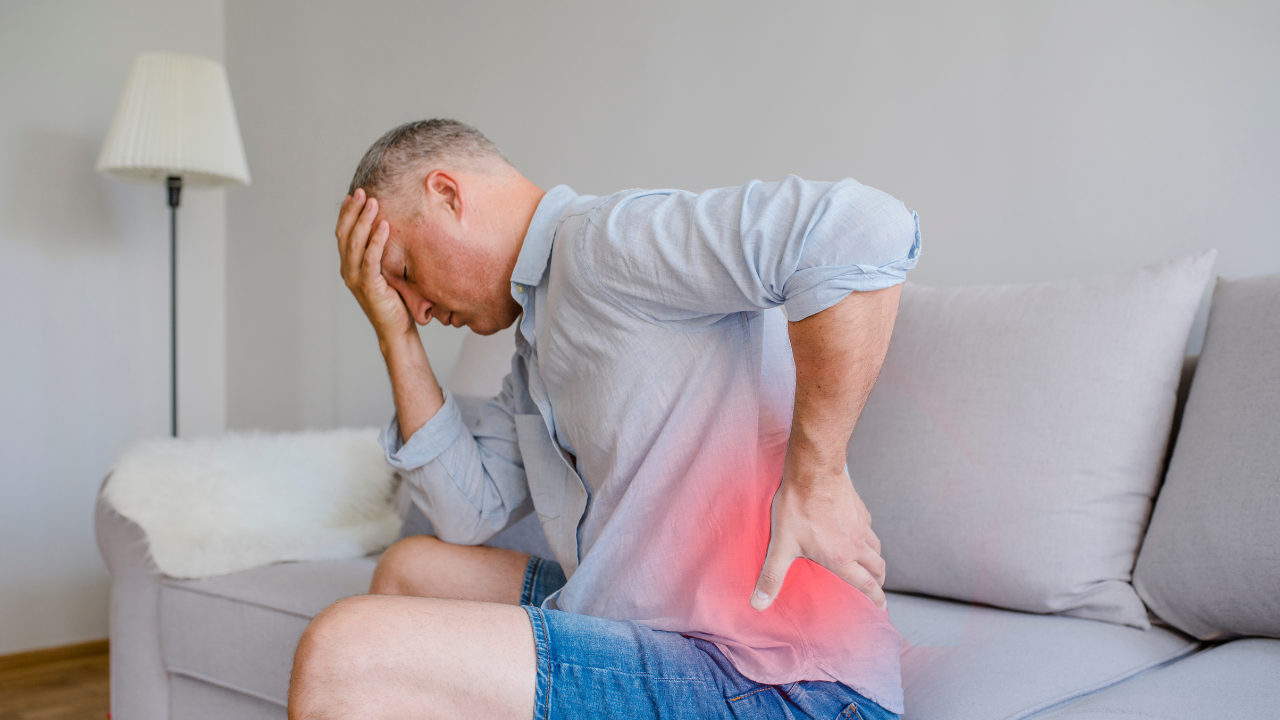
The downsides turned out to be far more troubling. Tramadol roughly doubled the chance of serious problems compared to placebo, with an odds ratio of 2.13. Heart issues drove most of this, including chest pain, coronary artery disease, and even heart failure. One analysis flagged a possible link to certain cancers, though short study times make that finding less certain.Everyday side effects hit hard too. Nausea affected one in seven people taking tramadol, dizziness one in eight, constipation one in nine, and sleepiness one in thirteen. These numbers come from number-needed-to-harm calculations, showing how quickly issues pile up. No clear gains showed up in quality of life, and data on dependence or depression stayed inconclusive.
Why tramadol stayed popular
Prescriptions for tramadol have climbed in places like the United States, partly because guidelines list it for moderate to severe pain. People and doctors saw it as less addictive and risky than drugs like oxycodone. Yet this review fills a gap, as past studies often skimmed on long-term safety across pain types. Most trials used oral tablets, with just one testing a cream, and participants averaged 58 years old.
The bigger opioid picture
Opioids contribute to around 600,000 deaths yearly worldwide—with overdose numbers soaring in recent years. In the US alone, opioid-related deaths jumped from being under 50,000 in 2019 to more than 80,000 by 2022. Tramadol fits into this crisis, even if seen as “safer.”
What this means for patients
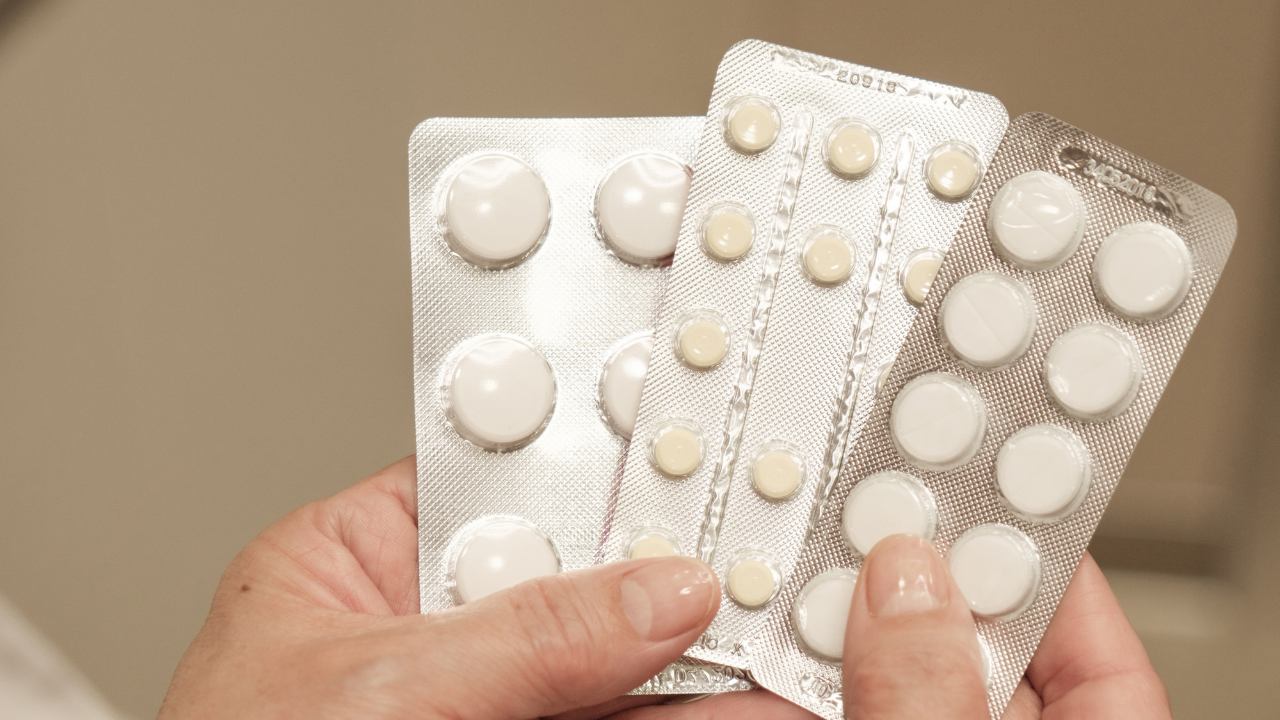
Chronic pain affects millions, stealing energy and joy from everyday tasks. Finding relief without trading it for heart strain or constant nausea feels essential. This study, led by experts like Jehad Ahmad Barakji from Copenhagen’s Trial Unit, urges cutting back on tramadol where possible. Safer options like physical therapy, acetaminophen, or non-opioid meds might work better for many people with pain.