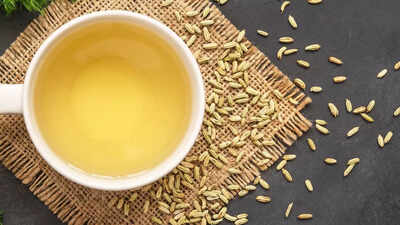

Can a bael-tulsi drink help manage blood sugar naturally |
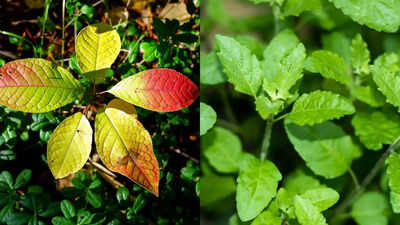
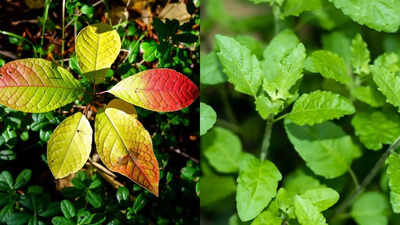
The increasing prevalence of diabetes has focused interest on practical dietary practices that can help ensure stable levels of, or manage, blood sugar levels. As increasingly large numbers of people search for straightforward, easily accessible remedies, traditional plant-based beverages are being reassessed from a purely scientific standpoint. The bael-tulsi drink, made from bael leaves or fruits or tulsi or basil leaves, holds a special position in this assessment. It has traditionally been employed in home remedies, but increasingly, its possible significance in relation to metabolism, not symbolic or perceived significance, is being evaluated. To grasp how this can help with managing diabetes, it is necessary to examine it from every angle, discussing ingredients, possible metabolic significance, and whether such concoctions can ever have practical significance.Following the introduction, some experimental findings related to Ocimum species and Aegle marmelos have helped in understanding how extracts of these species affect glucose metabolism and tissue protection. These findings give a scientific background related to their traditional use.
How bael leaves support blood sugar control
Bael leaves have also garnered interest from the scientific community due to their high content of biologically active compounds that target and exhibit interaction with metabolic disturbances associated with diabetes. Historically, bael leaves have long been used as a treatment for digestive system disorders. The active compounds include flavonoids, coumarins, and tannins. For instance, bael leaves have experimentally presented a capacity to reduce blood sugar levels while providing a certain degree of protection from stress exerted on internal organs due to an underlying condition of hyperglycemia.
- Bael leaves have phytochemicals that decrease excessive glucose secretion by the liver during fasting conditions
- These also possess antioxidant effects, which help mitigate the oxidative stress caused by high blood sugar
- Some substances found in bael have been linked to tissue protection in the pancreas and liver for people with diabetes
- The leaves contain fewer carbohydrates and calories, hence are indicated for consumption in a diabetic diet
How Tulsi helps regulate blood sugar levels
Tulsi, also known as holy basil, has been widely used as a herbal drink and has been researched for its metabolic properties beyond general health benefits. The leaves of the Ocimum varieties have been identified to contain compounds like eugenol and ursolic acid, along with other phenolics, which act upon the enzymes responsible for the digestion of carbohydrates and the generation of sugar in the body. Instead of affecting the insulin, Tulsi has been seen to affect the system that regulates the amount of sugar that enters the bloodstream after consuming meals, making it beneficial for those trying to regulate their blood sugar level.
- Enzymes that break down complex carbohydrates into glucose have been inhibited by compounds found in tulsi leaves
- The leaves may aid in the reduction of glucose mobilisation from the liver, thus contributing to the high blood sugar
- The anti-inflammatory properties of tulsi may have benefits for vascular and metabolic tissues with insulin resistance
- Frequent moderate intakes are consistent with approved eating practices designed for metabolic optimisation
How to make bael-tulsi drink at home
The bael-tulsi drink has continued to be in use because of its easy preparation using common household methods. The objective of preparing the baal tulsi drink is to obtain extracts that are soluble in water without damaging their molecular structure using high temperatures and added compounds. Bael, as well as tulsi can be processed either when fresh or when dried. This flexibility is done without changing the basic character of the baal tulsi drink.
- The raw tulsi leaves are washed, cleaned, and slightly crushed to get the essential oils
- Bael can be added in the form of dried leaf powder or cut pieces of ripe fruit pulp
- The mixture of ingredients is simmered for a short period of time in water and then cooled
- It does not contain any sweeteners, so it remains consistent with blood sugar management requirements
Why bael and tulsi together may benefit glucose control
The cumulative effect of bael and tulsi leaves combines different mechanisms that may help regulate blood sugar levels. The impact of bael on glycogen secretion from the liver, along with tulsi’s impact on carbohydrate and inflammation, may be synergistic. The concoction may have a cumulative effect that regulates blood sugar levels, which has implications for modern-day treatment approaches that focus more on glycemic control. The concoction may stabilise blood sugar levels without necessarily stimulating an immediate impact at different checkpoints.
- The drink could help regulate the postprandial rise in blood sugar levels based on the impact it has on the activity of certain
- A lower level of oxidative stress maintains healthy insulin signalling pathways
- Support for liver function may help enhance glucose control in the fasting state
- It is a low-energy drink that is easily incorporated into individuals’ daily habits of drinking and does not increase glycaemic load
Also Read | What really happens if you drink sauf water every day: Benefits, preparation and intake guidelines