

Avian influenza on the move: How migratory birds, climate, and surveillance gaps are shaping a global threat


Each year, winter brings a spectacular show as millions of birds undertake their journeys to warmer regions, traveling along known flyways. However, this year–a bird flu outbreak casts a shadow on these migrations. Is this outbreak making bird flu a bigger threat than it’s ever faced before?Recent statistics from Europe show an increase in reported cases, with wild birds acting as major vectors. It is essential that surveillance be coordinated in an effort to control the spread of the virus during peak periods when travel is on an increase.
Dramatic increase in European cases in 2025
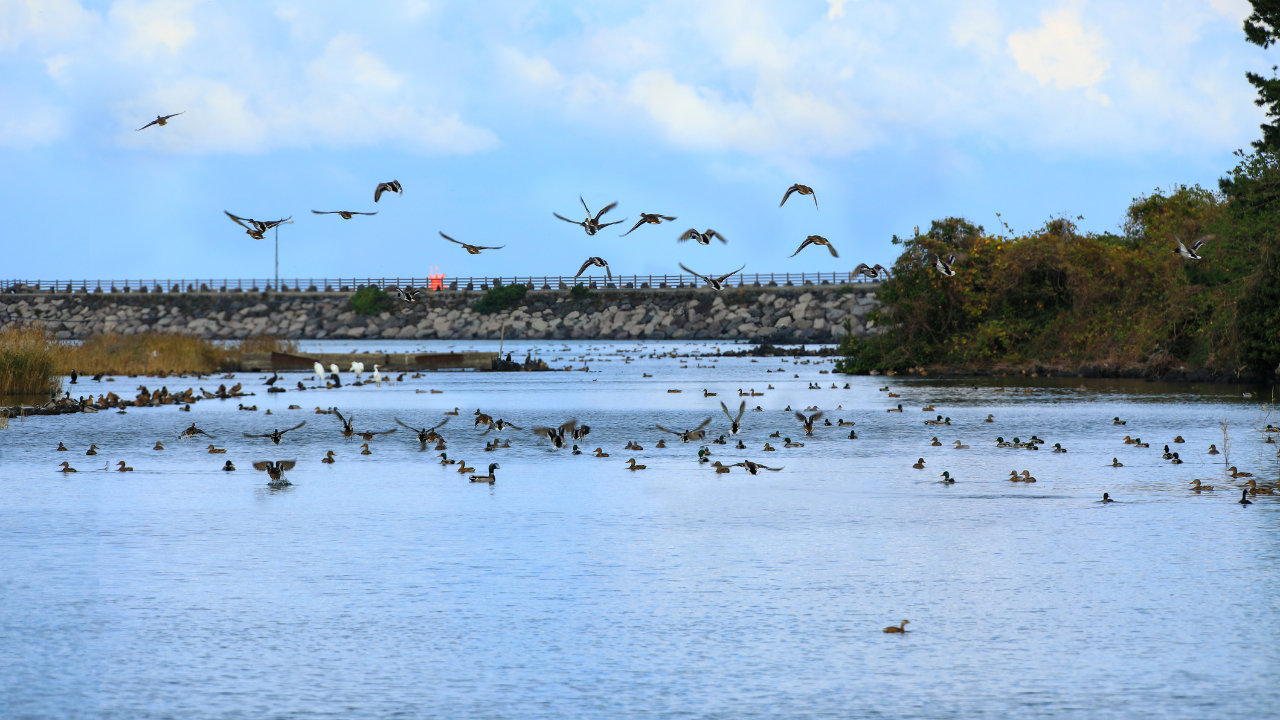
Between September 6 and November 28, 2025, a cumulative of 2,896 highly pathogenic avian influenza cases were reported in birds in 29 member countries of the European continent. Of these, 2,454 were in wild birds, which is a six-fold increase from 2024, while 442 were in domestic birds.The most reported cases were from Germany at 1,675, mainly in wild birds, followed by France at 248. Wild birds were mainly ducks and geese, and common cranes in large numbers during their migrational routes.Poultry industry establishments were also greatly affected, with a total of 11 million birds being killed. Among others, turkeys accounted for 20.9 percent of reported domestic cases, which were often related to indirect contact through the droppings of wild birds.
Migration process determines the spread of virus

Migratory birds carry the virus asymptomatically in their feces at communal stopover sites. Long flights impair immunity, making these birds vulnerable, which is why they can quickly spread over continents.Radar data confirm the existence of large nocturnal migrations corresponding to farm breakouts that follow three weeks after bird infections, as in a large flight in the Czech Republic on October 13-14.In North America, Alaskan routes in Asia and the continent serve as carriers for avian virus strains such as H9N2 in waterfowl and gulls. Winter conditions with low temperatures enhance virus survival in aquatic ecosystems.
Effects on poultry farming
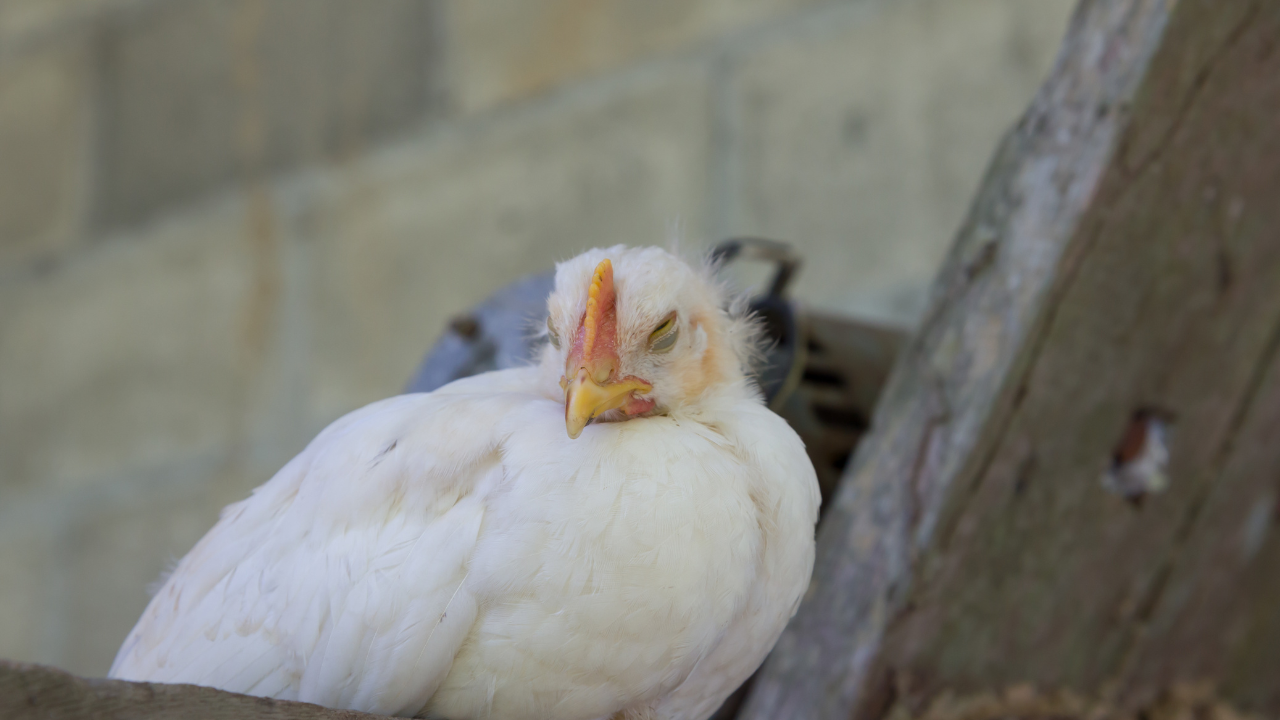
Europe’s turkey farms experienced a total of 77 reported outbreaks that were a result of incursions by wild birds and led to slaughter amounts of more than 2.3 million in Germany and 2.5 million in Spain. Backyard poultry has been revealed to be a weak point due to severe weather conditions that enticed the birds inside.In most cases, there was an indirect exposure to the wild bird, while the rest took place through an onward transmission, particularly within densely populated areas. The vaccinated duck populations in France had breakthrough cases, highlighting the limits of protection offered by the vaccines.United States surveillance conducted by USDA-APHIS is focused on active positives in wild birds, emphasizing biosecurity strategies such as netting and Indoor Confinement to protect enterprises.
Recent health threats to human beings and mammals
The number of human cases reported 19, including one death attributed to the H5N5 virus in the United States, and deaths from the H5N1 and H5N1 virus in Cambodia due to contact with birds.There were increased mammalian spillovers, including cases among foxes and domestic cats in Europe, which were associated with increased wild bird cases. The European Centre for Disease Prevention and Control considers that the risk of A(H5N1) clade 2.3.4.4b is low overall but low-to-moderate among those groups defined as occupational.Surveillance and control measures PhyloDynamic analyses correspond to the viral phylogenies and bird migration patterns from the summer-breeding range to the African wintering ground. The European Food Safety Authority combines data on the Animal Disease Information System and World Organisation for Animal Health to inform response efforts. United States Geological Survey efforts in Alaska examine samples for cross-continent correlations. Global cooperation along flyways encourages standardized procedures. These include rotating bird feeders to prevent congregation, equipment sanitization for bird enthusiasts, and improved farm fencing with vaccination aspects considered.
Preparing and handling a drought situation
Such events disturb food chains by killing birds and affecting the economy of food sources. Pre-emptive efforts through enhanced genomic surveillance and international collaboration can help reduce the risk of occurrence. With ongoing migrations, collaborative action between scientists, policymakers, and citizens provide ways for the welfare of bird species to be protected—and human interests are also involved. Vigilance ensures a favorable sky for the long term