

Tiny bugs in your rice? How rice weevils start and how to stop them |

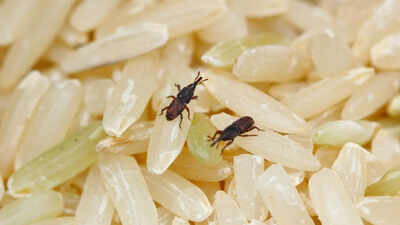
Rice is at the centre of meals for millions of families, but at the same time, it is one of the most compromised crops once the items move beyond the supply chain and into the home. Small insects that can thrive within the commodity can affect the quality, nutrient, and safety before anything is observed. Rice weevils are one of the major insects responsible for infestation because they can thrive within every household, no matter the economic status. However, the infestation of the insect within the home is not related to poor hygiene but to the interaction of modern home and consumption systems. Having the relevant information on how to identify the insect, why, and how to manage the commodity safely can make a significant difference in preventing wastage.
How to tell if your rice is already infested
Rice weevils, or Sitophilus oryzae, are actually small insects that only specialise in the infestation of stored grains. Their ability to go through their entire development in a single grain of rice is the cause for their difficult detection during their early developmental life. According to a study by the Biological Times, the females get to lay their eggs directly into the rice kernels for the larvae to feed on until they finally get ready for adulthood. By the time the insects can be seen, many generations could have been spawned.
- Adult rice weevils are dark brown beetles that are quite small with an elongated snout and a hard exterior shell
- The eggs are contained within the grains of rice and cannot be visualised without having to break open each rice grain
- The larvae live completely in the grain, harvesting its starchy interiors for sustenance
- Hollow or brittle grains can imply insect damage inside
- The fine powdery substances often collecting at the bottom of the containers are due to damaged rice
- Live bugs can emerge when rice is being poured
Where rice weevils come from and why stored rice suits them
Actually, rice weevils tend to enter a house hidden in the purchased grain rather than being present in the area as an exterior problem. Then, the present supply chain system causes the grain, including the potential rice weevils, to be transported a long way, raising the possibility of eggs being present in the grain before purchasing. After entering a kitchen, conditions promote a rapid increase in the population.
- Eggs could already be present in rice that has been bought in large quantities, or is rice that has been held for a long period of time
- Adults are able to fly and may move from one food container to another. The weevils also tend to hide under
- Warm temperatures in buildings promote growth and reproduction
- The eggs need humid conditions for survival
- Open or loosely sealed bags, or very thin packaging materials, make it easy for the insects to escape
- Insect food sources like flour or beans can become secondary hosts
What rice weevils do to the nutrition and safety of stored rice
Even though the rice weevil does not have the same kind of pathological transmission mechanisms associated with pest infestations, the effect it has on food is substantial. It affects food weight due to the consumption of food by both the larvae and the adult insects. It also makes food susceptible to moulds, especially in regions where the climate is humid. Such aspects affect people who can control their food expenditure.
- Feeding decreases the carbohydrate content as the starchy part is fed on
- Insect activity causes damage to the germ, which in turn influences protein and vitamin content
- The rice may also cook unevenly or change in texture
- Powder and pieces can spread to other foods
- The grains are also susceptible to fungal infections if they are damaged
- In many cases, especially when the infestation is severe, the whole container may have to
How to get rid of rice weevils safely at home without harsh chemicals
When it comes to controlling rice weevils in the house, it is not necessary to resort to using insecticides. This is because it is possible to control these insects using physical methods. The main thing in doing so is to eliminate their food sources. This will ensure that their life cycles are interrupted. This will be done through methods that are applicable in grain storage.
- Discard largely
infested rice to prevent its distribution - The storage area must be cleaned thoroughly for the removal of grains and dust
- Freeze uninfested rice for a short time to destroy any eggs and larvae that may be present
- Store your rice in glass or thick plastic containers
- Try to keep new stocks separate from existing ones
- Look around for dried foods and remove the suspected ones
Storage habits that prevent rice weevil infestations
Long-term prevention involves minimising opportunities for rice weevils to infest food that is stored. Simple changes in buying and checking practices are very effective for prevention. Prevention is particularly necessary in tropical or summer conditions where pest development is faster, and infestations increase quickly.
- Purchase rice in volumes proportionate to domestic requirements
- Check grains as soon as they are bought, especially in bulk
- Transfer the rice from its thin packaging into airtight containers as soon as possible
- Store in cooler, drier areas, and keep them away from heat
- Rotate stockpiled food supplies so that the existing supplies get priority over others
- Look at the cupboards periodically for indications of pests
Also Read | Love tandoori food but don’t have a tandoor? Try these methods instead