

Rome to introduce Trevi Fountain entry fee: What changes from 2026 |


Rome is making a bold move to crack down on overtourism at one of its most legendary landmarks. As of February 1, 2026, visitors will have to shell out €2 (about $2.35 or INR 211) if they want to be near the Trevi Fountain, one of Rome’s most-photographed locations in the Eternal City. The change reflects the increasing pressure on hallowed European destinations to cope with crushing tourist crowds without debasing heritage.The new charge will be levied during peak daytime hours, when the area around the late-Baroque fountain becomes so congested that it turns unmanageable. Tourists, however, will still be able to visit the site and gaze upon the monument from the surrounding piazza free of charge; but they will need to pay for access to the stone steps and front basin area (where crowds hope for good luck by tossing coins). City officials say that the intent is not to bar people altogether, but rather to control numbers and enhance safety as well as the experience of those who visit.Rome’s authorities have said that the change is not related to revenue but was made for crowd management. The Trevi Fountain, which draws an estimated 30,000 visitors a day, on weekends it can reach up to 70,000 people in one of Rome’s most confined historic spaces. The monument attracts over nine million tourists each year, ranking among the top in Italy.
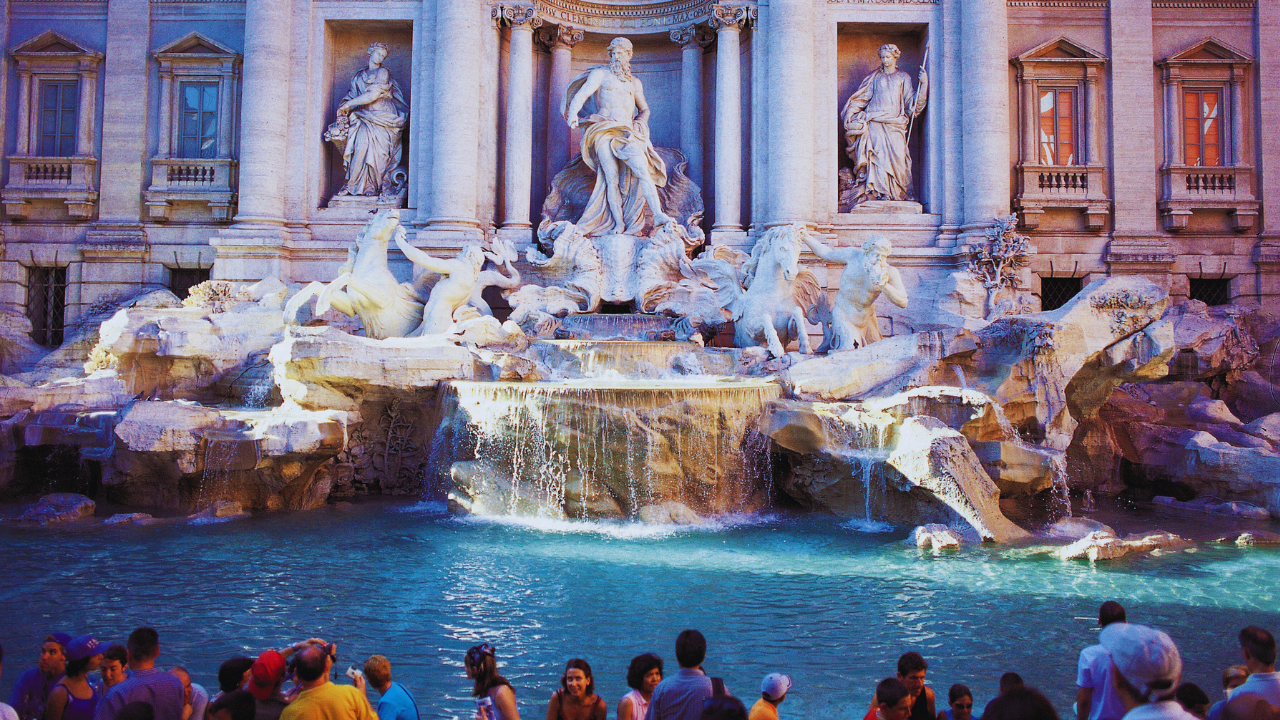
The €2 fee could bring in as much as €6.5 million annually, city estimates show. Money collected will go right back to the city on spending for monument maintenance, preservation, and repair of other infrastructure. The decision comes after a yearlong test carried out as part of maintenance work that was completed in December of 2024. During that time, authorities had tested staggered entry and exit routes to more effectively manage the flow of visitors. Officials say the trial provided for them crucial data on crowd movement and allowed them to experiment with practical solutions against overcrowding.Read more: This European destination is the world’s ‘Most Liveable City for 2026’Under pressure to address the trash crisis, Rome’s mayor, Roberto Gualtieri, defended the measure and added, “Two euros isn’t very much … and it will lead to less chaotic tourist flows.” It needs to be noted that the fee will not be levied on people living in Rome, those with disabilities and children under the age of 5.The Trevi Fountain, a late Baroque triumph of Oceanus, the god who governs all water and represents the shifting moods of the seas and rivers of the world, was finished in 1762. The centuries-old custom of tossing a coin into the fountain, said to ensure a return trip to Rome has only enhanced its attraction, making the small square home to one of the city’s more crowded spots.Read more: Delhi’s major wholesale markets one must explore as a touristThe Trevi Fountain charge is part of a trend in Italy to monetize and control cultural heritage more closely. In 2023, a €5 entry fee was added to the cost of entering the Pantheon, a move that generated significant additional revenues and reshaped visitor traffic patterns. Mayor Gualtieri said other low-profile sites in the city, which are currently free of charge, may also begin to charge a small fee from February.Similar measures are taking shape across Italy. Venice has implemented a system for charging tourists to enter the city during peak seasons, and Verona recently started requiring entrance fees for balcony access associated with the Shakespeare character Romeo and Juliet. Collectively, these policies are indicative of a new kind of historic city urbanism, one that conditions access and sustainability around mass tourism.


