

Moringa soup in winter and why people keep coming back to it |

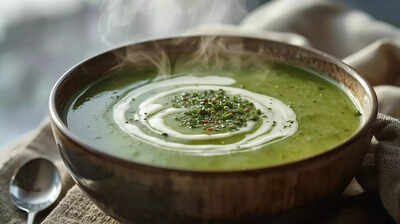
Winter eating often changes without much thought. Meals turn warmer, portions grow heavier, and vegetables quietly disappear from the plate. Soup steps in not as comfort food alone, but as something practical. Moringa soup belongs to this quiet shift. It is not new, not fashionable, and not built around claims. It is simply food that fits the season. The leaves soften easily, the flavour stays mild, and the body does not have to work hard to digest it. In colder months, when energy drops and immunity matters more, simple meals begin to matter again. Moringa soup does not stand out on a menu. It stays in the background, steady and useful, doing what winter food is supposed to do.
Why does moringa soup feel right during cold weather
Cold weather often brings slower mornings and heavier dinners. The body asks for warmth but not excess. Moringa soup answers that need quietly. The broth warms the stomach, while the leaves add nutrition without weight. Unlike fried or creamy winter dishes, moringa soup feels light even when eaten regularly. According to a study published on PubMed Central, it suits days when appetite is low but nourishment is still needed. That balance is what makes it a winter habit rather than a special dish.
What nutrients does moringa soup provide in winter
Moringa leaves contain protein, fibre, iron, calcium, and vitamins that are often missing from winter diets. Fresh vegetables can be limited or expensive during colder months, especially in some regions. A small amount of moringa leaves or powder adds density to a meal without relying on seasonal produce. When cooked gently, the nutrients move into the soup, making them easier for the body to use. It becomes a practical way to maintain balance when variety is limited.
Can moringa soup support digestion in winter
Digestion tends to slow in cold weather. People move less, drink less water, and eat heavier foods. Moringa soup helps counter that pattern. The fibre supports gut movement, while the warm liquid helps reduce bloating and discomfort. Because the leaves are cooked, they are easier to tolerate than raw greens. Many people find that moringa soup works well as a light evening meal, especially after a day of dense food.
Does moringa soup help with seasonal tiredness
Winter fatigue is common and often ignored. Shorter days, less sunlight, and routine illness take a toll. Moringa leaves contain compounds that support energy metabolism and reduce oxidative stress. While soup is not a stimulant, regular intake can help the body recover more steadily. The effect is subtle. It does not arrive immediately, but over time the body feels less strained. That quiet support is why the soup is often kept in rotation through the season.
Is moringa soup useful for immunity during winter
Colds and infections spread easily when people spend more time indoors. Moringa leaves have been studied for their antibacterial and anti-inflammatory properties. As part of a balanced diet, moringa soup can support immune function during winter. The warmth of the soup also helps soothe the throat and chest, which adds comfort during seasonal illness. It does not replace medical care, but it supports the body while it does the work.
Can moringa soup fit into blood sugar conscious diets
Winter diets often lean towards refined carbohydrates and comfort foods. For people watching blood sugar levels, this can be difficult. Moringa leaves are known for compounds that help slow glucose absorption. When consumed as soup, the fibre and plant compounds work together without stressing digestion. This makes moringa soup suitable as a side dish or light meal in controlled diets. It supports balance without demanding major dietary changes.
How is moringa soup usually prepared in winter homes
Preparation stays simple. Fresh leaves are washed and added near the end of cooking. Powdered moringa is stirred in once the soup is off strong heat. Overcooking is avoided to prevent bitterness. Most winter versions include onion, garlic, pepper, and mild spices. Some add lentils or vegetables; others keep it plain. The soup adapts easily to what is available, which is part of its strength.
Why is moringa soup becoming more common in cold seasons
Interest in functional foods has grown, but winter cooking remains practical. People want meals that support health without effort. Moringa soup fits that need. It does not require special equipment or complex recipes. It works quietly, meal after meal. Research continues to explore moringa’s health properties, but at home, its value is already understood through use.Moringa soup does not announce itself. It warms, feeds, and moves on. In winter, that kind of food often lasts the longest.
Simple and tasty moringa soup recipe for immunity support
Ingredients:
- Handful of fresh moringa leaves
- 1 onion chopped
- 3–4 garlic cloves
- Black pepper
- A pinch of turmeric
- Vegetable stock or water
- Salt
- A dash of ghee
Method:
- Ghee is heated, and garlic and onion are sautéed until golden in colour
- Add the moringa leaves and sauté for about 2-3 minutes
- Add water/stock, turmeric, and salt
- Simmer for approximately 10 minutes
- Blend for a smooth and creamy texture (optional)
Perfect for sore throat or low-energy days.