

Gastroparesis vs. Irritable Bowel Syndrome: Symptoms, treatments and differences explained |
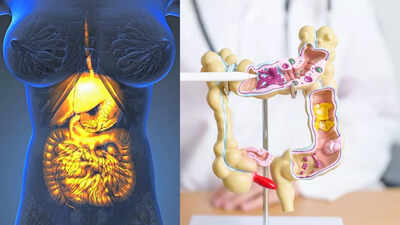
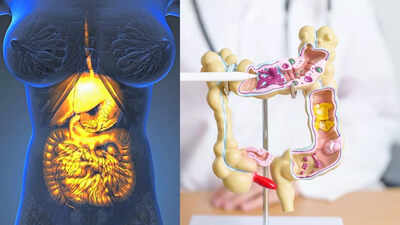
The human digestive system is a finely balanced network, yet even minor disruptions can lead to conditions that affect daily life. Gastroparesis and Irritable Bowel Syndrome (IBS) are two such disorders that, while distinct in origin, can cause similar digestive discomfort and impact well-being. Gastroparesis occurs when the stomach empties more slowly than normal, leading to nausea, vomiting, bloating, feeling full quickly, acid reflux, and abdominal pain. IBS primarily affects the intestines and is characterised by abdominal cramps, diarrhoea, constipation, excess gas, and mucus in the stool. Both conditions may be influenced by diet, stress, and medical issues, making early recognition crucial. Understanding how gastroparesis and IBS differ, along with their triggers and management strategies, is essential for effective treatment and digestive health.
What is gastroparesis
Gastroparesis (GP) happens when the stomach takes longer than normal to move food into the small intestine. According to an article by Baystate Health titled Gastroparesis Symptoms, Causes, Diagnosis, and Treatment, in a healthy person, food usually leaves the stomach in two to four hours. During this time, the stomach muscles mix food with digestive juices, break it down, and push it through the pyloric valve into the small intestine.
Although in people with gastroparesis, the stomach muscles do not work properly, digestion slows down or may not happen at all. Food stays in the stomach instead, which leads to uncomfortable symptoms, including nausea and vomiting, feeling full sooner than usual, upper abdominal pain, bloating, loss of appetite, acid reflux, and heartburn.
Symptoms of Gastroparesis
Gastroparesis symptoms include:
- Nausea and vomiting
- Feeling full quicker than normal
- Upper abdominal pain
- Bloating
- Loss of appetite
- Acid reflux
- Heartburn
How to treat gastroparesis
- Eat smaller, more frequent meals that are low in fat and fibre; liquid or pureed foods are often easier to digest.
- Controlling blood sugar is especially important for people with diabetes.
- Maintain proper hydration and nutrition for overall health.
- Medications may help stimulate stomach muscle contractions or control nausea and vomiting, though long-term use is not recommended due to significant side effects.
- In severe cases, surgical interventions may be required, such as gastric electrical stimulation, feeding tubes, or parenteral nutrition.
Understanding Irritable Bowel Syndrome (IBS) and its symptoms
Irritable bowel syndrome (IBS) refers to a collection of symptoms that impact the digestive system. It is a common yet uncomfortable gastrointestinal condition that affects the intestines.IBS symptoms can occur frequently or during flare-ups, so you may not always experience them. At times, symptoms may disappear, and you will have normal bowel movements, but they can return at other times.Let’s understand the symptoms and treatment suggested by a study published on the US National Library of Medicine.
Symptoms Irritable Bowel Syndrome
Irritable bowel syndrome often includes recurrent abdominal pain which is usually connected to changes in bowel habits. The pain can be of different intensities and locations and sometimes it gets better, while other times it gets worse after defecation. Altered bowel habits are the main features and may include constipation, diarrhoea, or a pattern in which both alternate over time.Several people may also suffer from bloating, cramps, excessive flatulence, and a feeling of abdominal discomfort. In constipation-predominant IBS, stools are usually hard or lumpy, bowel movements may be very few, and straining or a feeling of incomplete evacuation is frequently reported. Some patients may even tell that they have to make a lot of effort or even use their hands to help the stool come out.Symptoms of diarrhoea-predominant IBS include frequent loose or watery stools, urgency, and post-meal bowel movements. Mixed, type IBS is the condition in which the patient experiences both constipation and diarrhoea alternatively. The symptoms are not stable, and they change over time and may become worse when the person is under stress, has poor sleep or takes certain foods. Besides that, IBS may also impair the quality of one’s life to a great extent, therefore causing symptoms such as tiredness, sleep problems, anxiety, and low mood.
Treatments Irritable Bowel Syndrome
Treatment of Irritable Bowel Syndrome (IBS) largely depends on controlling the symptoms and varies from person to person. Changes in lifestyle still hold the overall management, and these are regular physical activity, better sleep habits, and stress reduction. Dietary changes have a very important role, as a low-FODMAP diet is the most supported by evidence. Soluble fibre, like psyllium or oat bran, may help with the overall symptoms, whilst those extremely restrictive diets should be avoided unless they bring clear benefits.In case of constipation, predominant IBS treatment is not limited to osmotic laxatives only but also includes dietary approaches like kiwi fruit and prescription agents that increase intestinal fluid secretion or motility, such as lubiprostone, linaclotide, plecanatide, and tenapanor.Loperamide is the most commonly used antidiarrheal agent in IBS cases where diarrhoea is the main symptom. Rifaximin may be given to patients with moderate to severe symptoms and repeated courses if the symptoms are going to recur. Some other choices available for selected patients are eluxadoline, bile acid sequestrants, and alosetron in case of severity and only for women.Abdominal pain, cramping, and bloating are some of the symptoms that can be relieved by antispasmodic medications, enteric-coated peppermint oil, or low-dose tricyclic antidepressants used as neuromodulators. If symptoms are mainly caused by stress or psychological distress, gut-directed psychological therapies like cognitive behavioural therapy or hypnotherapy might be the right solution.
Gastroparesis vs IBS: Understanding the key distinctions
- Origin: Gastroparesis primarily affects stomach emptying, while IBS involves the large intestine.
- Symptoms: Gastroparesis commonly causes nausea, vomiting, and feeling full quickly, whereas IBS is characterised by abdominal cramps and irregular bowel movements.
- Causes: Gastroparesis arises from nerve or muscle dysfunction, while IBS is a functional disorder often triggered by stress or gut hypersensitivity.
- Risk factors: IBS is more prevalent in young adults and may be aggravated by anxiety or stress, whereas gastroparesis is associated with diabetes, thyroid problems, viral infections, and previous stomach surgeries.
Both gastroparesis and IBS can significantly affect digestive health and daily life, but understanding their differences is key to effective management. Recognising the distinct symptoms, triggers, and treatment approaches allows for personalised strategies, whether through dietary adjustments, lifestyle changes, therapy, or medication. Early awareness and proactive management can help reduce discomfort, improve digestive function, and enhance overall well-being. (Disclaimer: This content is for general informational purposes only and does not constitute medical advice. Always consult a qualified healthcare professional for diagnosis, treatment, or health-related decisions.)