

Air inside your home may be more polluted than outside, and it could be harming your health, new study suggests |


Spending more time at home does feel safe, but new research suggests the air inside your living room can quietly harm your health. A recent study reported that indoor air in ordinary homes can reach pollution levels higher than what is measured outside, even when outdoor air quality looks acceptable. With work from home, online classes-and longer hours indoors, that finding hits uncomfortably close to home.
What the new research found
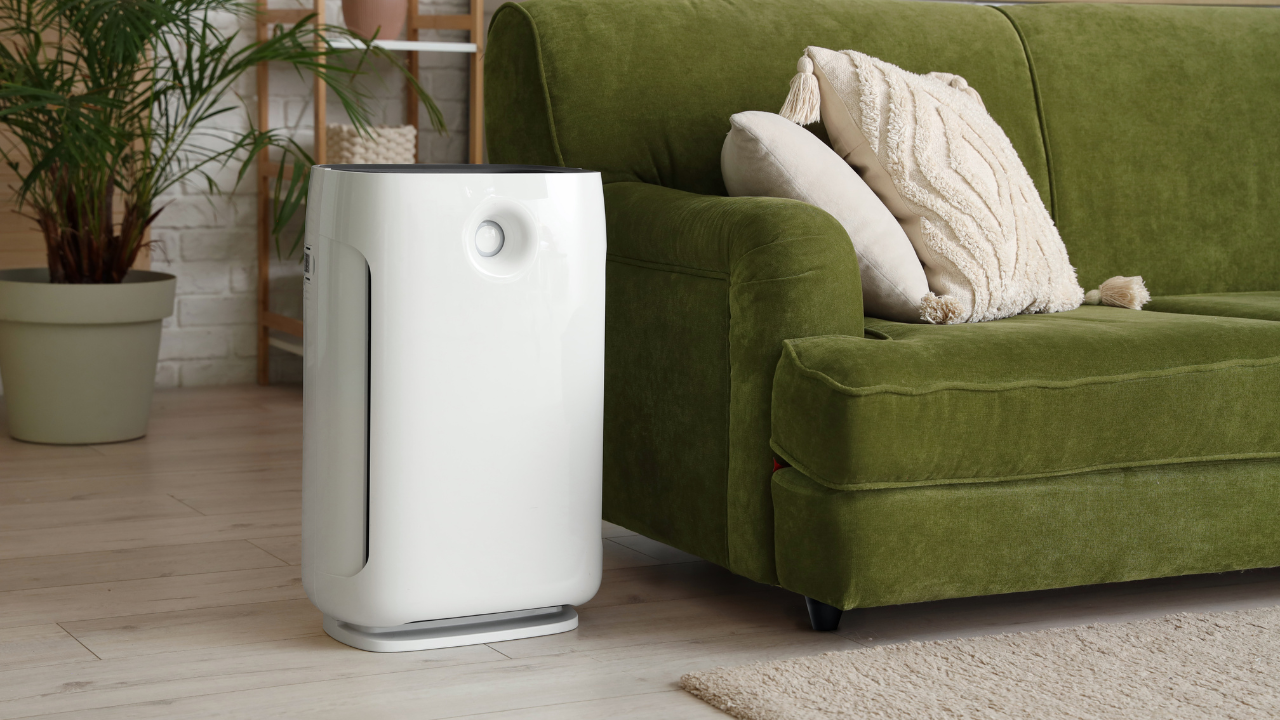
Scientists at the University of Birmingham used low cost sensors to track particulate matter in three UK homes for two weeks, comparing indoor readings with outdoor levels. They discovered that every home had higher and more variable pollution indoors-and in one house, fine particle levels (PM2.5) exceeded the World Health Organization’s 24 hour limit on nine out of 14 days.
The team identified five main drivers of indoor pollution, including two linked to what people do inside and three connected to outside sources such as nearby restaurants. Larger particles like PM10 tended to settle faster, but the smaller PM2.5 and PM1 particles stayed suspended and were more likely to be inhaled deep into the lungs.
Everyday habits that pollute your home
The uncomfortable twist is that many spikes in indoor pollution came from normal household routines. Movement around the house stirred up settled dust-and particles, raising larger PM levels. Earlier work from other groups has shown that cooking, especially frying or using gas stoves, can release fine particles, nitrogen oxides and volatile organic compounds into the air.
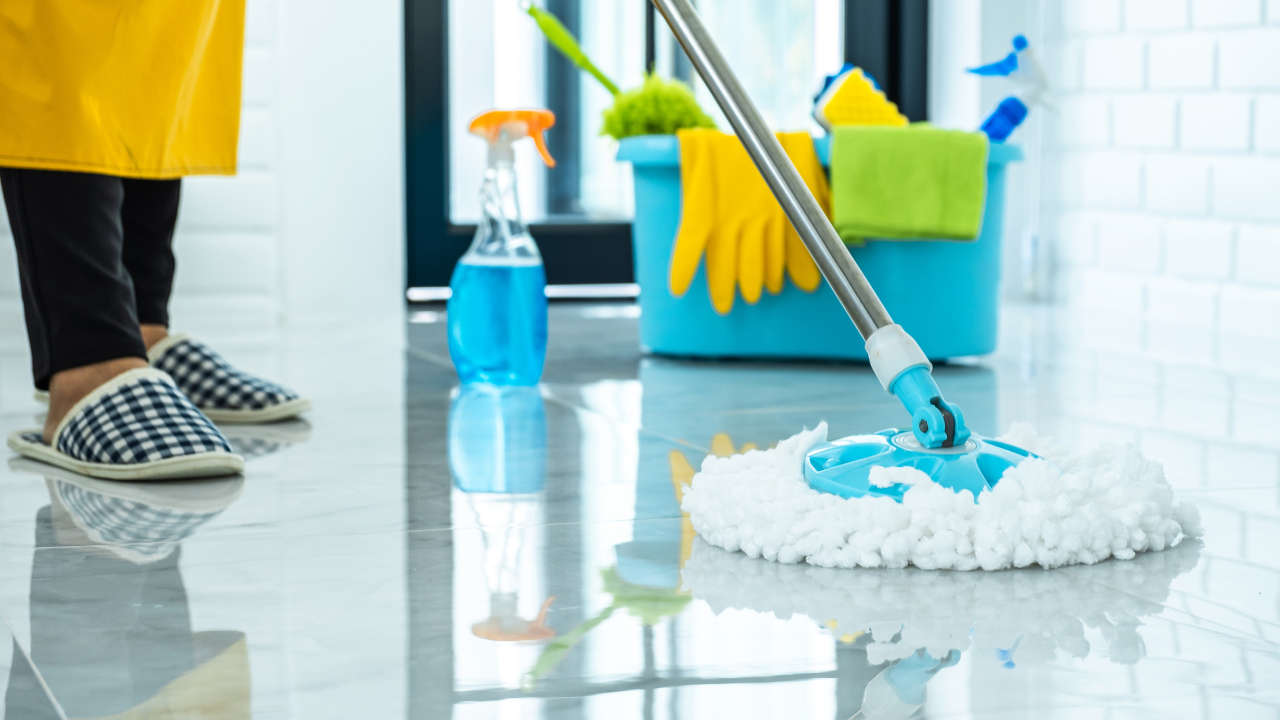
Cleaning products, scented sprays-and some “green” cleaners also emit volatile organic compounds that can react with indoor ozone to form secondary pollutants like formaldehyde, a known carcinogen at high levels. When windows stay shut, extractor fans are weak or absent and homes are compact, those pollutants build up instead of drifting away.
Why staying in more can raise health risks
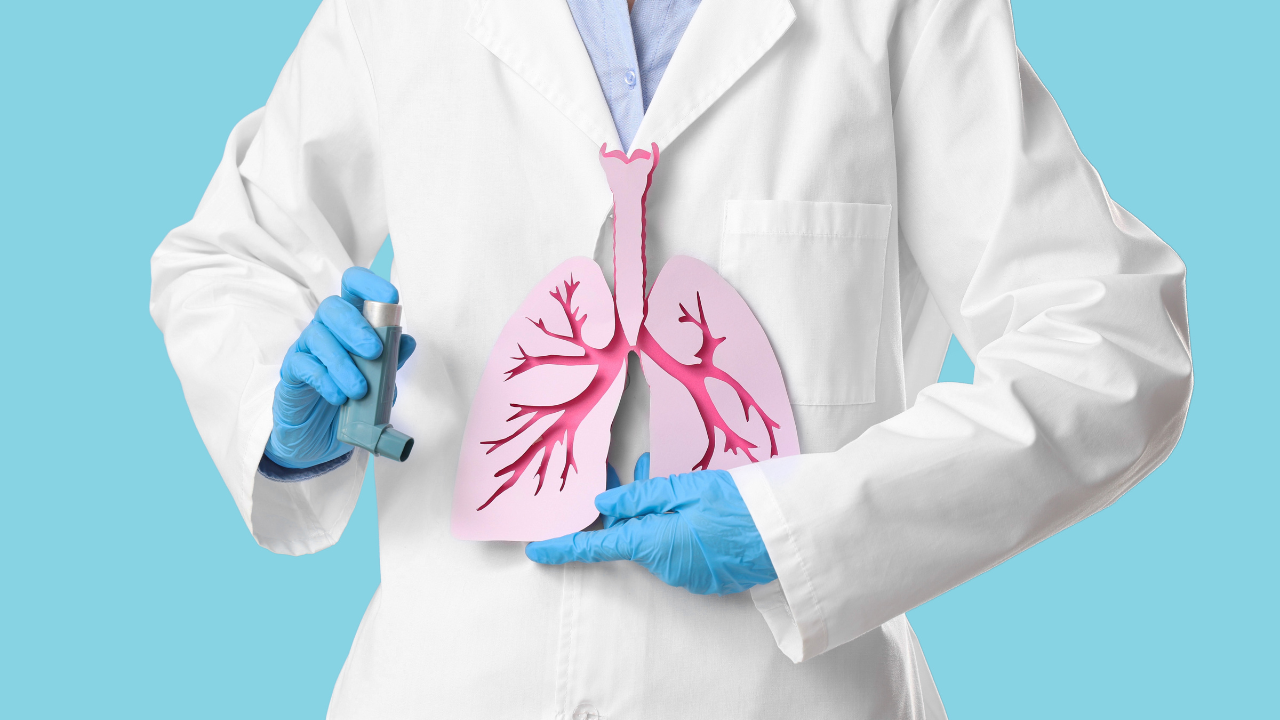
Global data already show that people spend close to 90 percent of their time indoors, which means most exposure to air pollution happens inside, not on the street. A recent collection on household air pollution in Nature and other journals links indoor exposure to higher risks of asthma, chronic obstructive pulmonary disease, heart disease and lung cancer, particularly in vulnerable groups like children and older adults.The Birmingham team and other researchers warn that working from home and spending long days inside may quietly push up long term exposure. Unlike a brief walk along a busy road, indoor pollution can be lower in intensity but constant, especially in homes near traffic, restaurants–landfills or other outdoor sources that leak particles and gases indoors.
Small changes that can make a big difference
Experts are quick to stress that people are not helpless. The University of Birmingham study suggests that improving ventilation, opening windows when outdoor air is better–and using extractor fans during cooking can significantly reduce indoor particle levels. Simple moves like using lids on pans, favouring induction or electric hobs where possible–and avoiding smoking indoors all help keep PM down.Cleaning choices matter too. Researchers from the University of York recommend choosing milder products, using the smallest effective amount and ensuring good airflow while cleaning, to cut the formation of harmful secondary pollutants. For those in high pollution cities, portable air purifiers with HEPA filters, regular dusting with damp cloths and keeping windows closed during outdoor smog peaks can further reduce exposure.
Why this matters for policy and everyday life
Scientists and public health groups are calling for indoor air to be treated as seriously as outdoor smog. In India, a new indoor air quality index developed by BITS Pilani, NIT Warangal-and IIT Jodhpur found that homes can be two to five times more polluted than the air outside, leading researchers to urge separate indoor guidelines–and better ventilation standards in building codes.For individuals, the takeaway is not to fear your home but to recognise that “inside” does not automatically mean “safe.” Opening a window at the right time, switching on that exhaust fan, choosing low emission products and being mindful of cooking habits sound simple, yet the emerging science suggests they can meaningfully protect your lungs, heart and brain over the long term.